

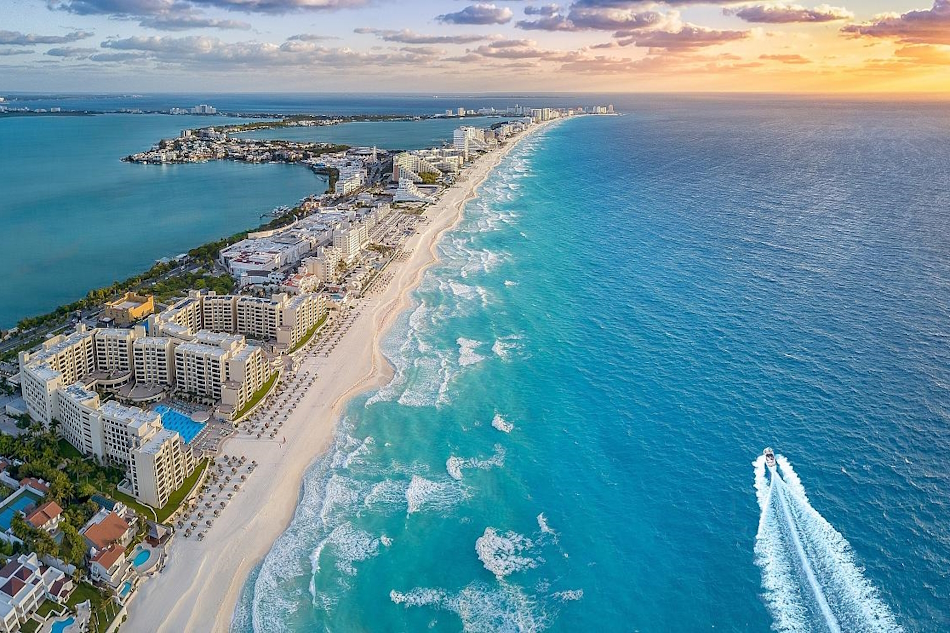
Mexico, the heart of Mesoamerican civilizations, is a country full of contrasts.
Here, ancient history meets modern life, diverse nature meets cosmopolitan cities, and traditional cuisine meets international influences. This country offers countless experiences that will satisfy even the most demanding travelers.
Read also:
What lies behind the waves in Puerto Escondido?
From the silent majesty of ancient pyramids to the vibrant rhythm of its modern cities and the turquoise tranquility of its Caribbean shores, Mexico is not just a destination; it’s a world of worlds waiting to be discovered. Let’s embark on a journey through the essential places that define this unforgettable country.
1. Mexico City – The pulsating heart of a nation
Mexico City is not just the capital; it is the nation’s immense, chaotic, and utterly captivating heart. This is a city where the ghosts of the Aztec empire literally emerge from beneath the foundations of colonial cathedrals.
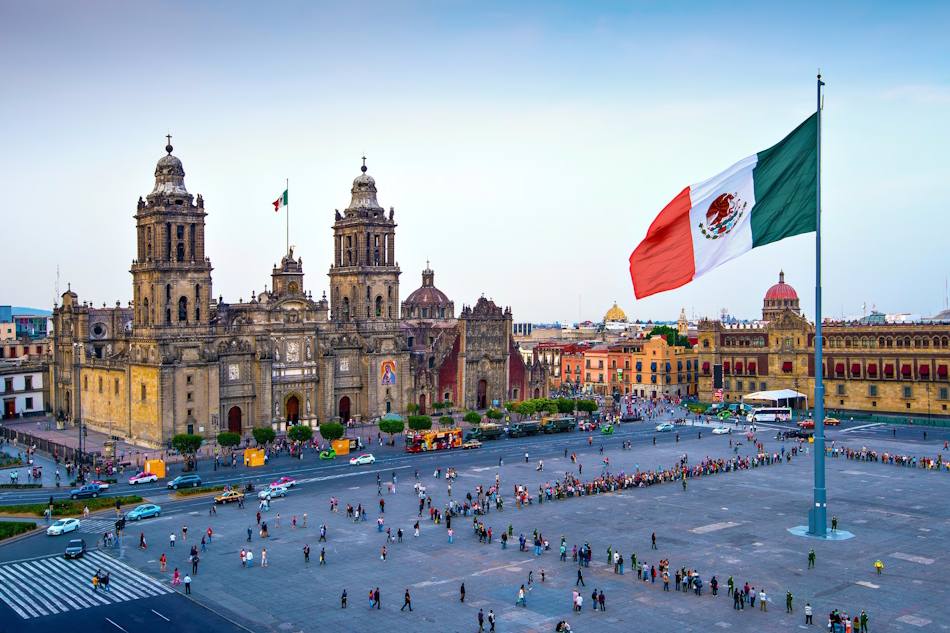
The historic center, built on the ruins of the Aztec capital of Tenochtitlan, is a thrilling collision of eras. The Zócalo, one of the largest public squares on the planet, is the city’s grand stage, flanked by the imposing Metropolitan Cathedral and the National Palace, where Diego Rivera’s epic murals narrate the nation’s history.
But the soul of the city is found in its neighborhoods. In the leafy, cobblestoned district of Coyoacán, the Frida Kahlo Museum (the “Blue House”) offers an intimate, powerful glimpse into the life of Mexico’s most iconic artist.
From the world-class performances at the stunning Palace of Fine Arts to the vibrant chaos of the Mercado de la Merced, and from the sophisticated flavors of gourmet restaurants in Polanco to the simple perfection of a street-side taco, Mexico City is a universe of experiences that engages all the senses.
2. Copper Canyon – Adventure in the wilderness
In the northern state of Chihuahua lies one of the world’s greatest natural wonders: Copper Canyon (Barrancas del Cobre), a series of six interconnected canyons that are, in places, deeper and vaster than the Grand Canyon.
This is a rugged, remote, and breathtakingly wild landscape, and home to the indigenous Tarahumara (Rarámuri) people, known for their incredible long-distance running abilities.
The most spectacular way to experience the canyon is aboard El Chepe, the famous Chihuahua-Pacifico Railway. This engineering marvel winds its way through the dramatic scenery, crossing 37 bridges and passing through 86 tunnels, offering jaw-dropping views at every turn.
3. Yucatán – A realm of Maya kings and sacred waters
The Yucatán Peninsula is a land steeped in myth and magic. This is the heartland of the Maya civilization, where ancient cities rise from the dense jungle and the very ground is honeycombed with sacred, subterranean rivers.
The crown jewel is Chichén Itzá, a UNESCO World Heritage site and home to the iconic El Castillo pyramid, one of the New Seven Wonders of the World. To stand before it is to feel the power of an ancient, sophisticated culture.
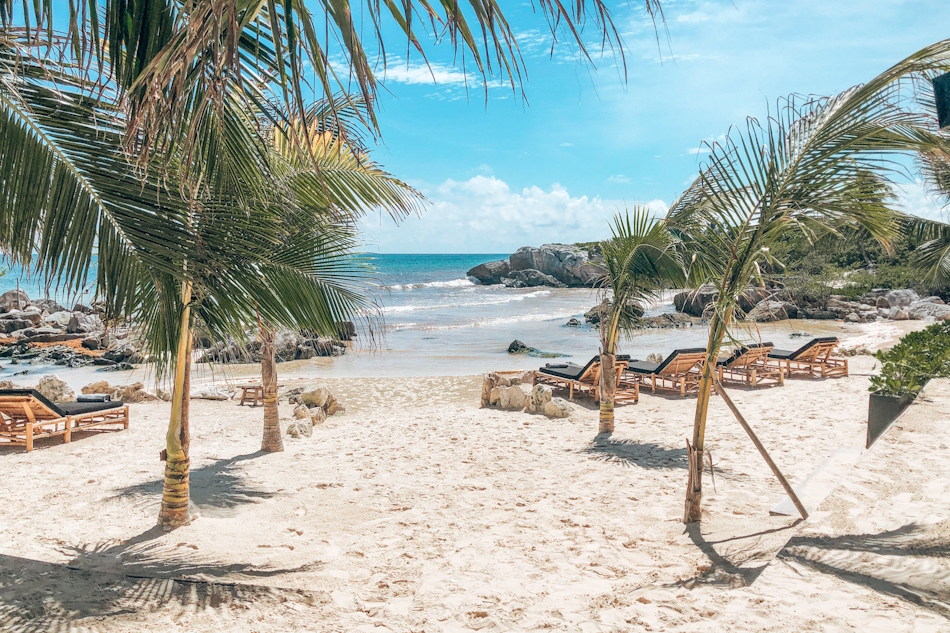
But the story continues across the peninsula. In Uxmal, you can admire some of the most ornate and beautifully preserved facades in the Maya world, while Tulum offers a breathtakingly unique spectacle: a fortress-city perched on dramatic cliffs overlooking the turquoise Caribbean Sea.
Just as important as the temples are the cenotes—natural, crystal-clear sinkholes that the Maya considered portals to the underworld. Today, swimming in the cool, fresh waters of these geological wonders is a truly magical and refreshing experience.
Combined with the white-sand beaches of Playa del Carmen and the bohemian tranquility of Isla Holbox, the Yucatán is a perfect blend of history, adventure, and paradise.
4. Guadalajara – City of mariachi and tequila
If Mexico City is the nation’s heart, Guadalajara is its vibrant soul. As the country’s second-largest city, it is the proud birthplace of two of Mexico’s most iconic cultural symbols: mariachi music and tequila.
A visit to the Plaza de los Mariachis to hear the passionate sounds of live bands is an essential experience, as is a day trip to the nearby town of Tequila to see how the famous spirit is made from the blue agave plant.
Guadalajara itself is a beautiful city of wide plazas, colonial architecture, and historic monuments like the magnificent Cathedral and the neoclassical Teatro Degollado.
5. Oaxaca – The soul of Mexican culture
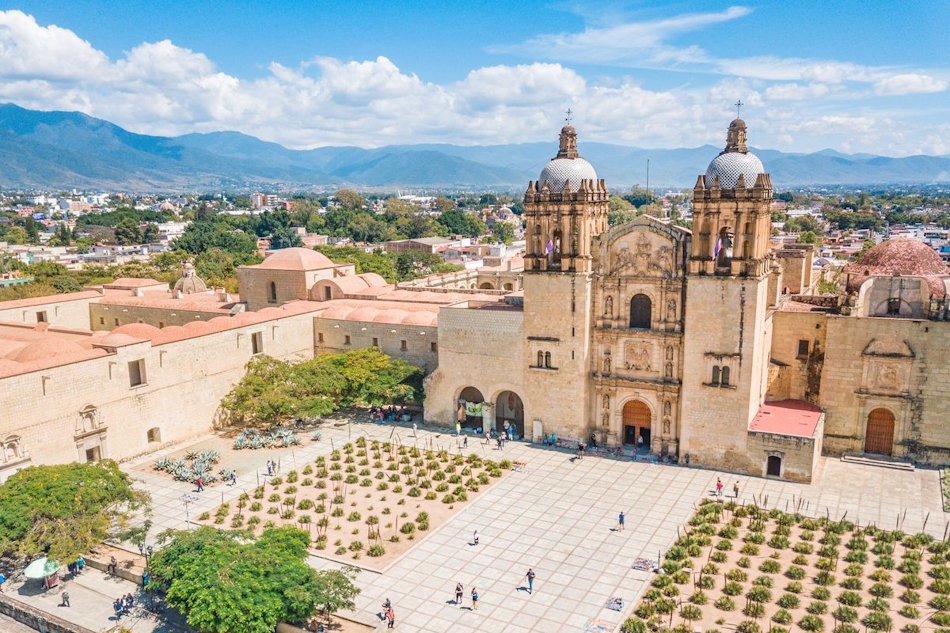
Oaxaca is the undisputed cultural and culinary heart of Mexico. This is a region where indigenous traditions are not a relic of the past, but a vibrant, living part of the present. The city itself, a colonial gem, is a feast for the senses, with colorful streets, bustling markets, and a thriving art scene.
It is most famous for its spectacular Día de los Muertos (Day of the Dead) celebrations, a profoundly beautiful and colorful festival that honors life and ancestry. To speak of Oaxaca is to speak of its legendary cuisine. This is the land of the seven moles, complex and deeply flavorful sauces that are the pinnacle of Mexican cooking.
It is also the spiritual home of mezcal, the artisanal agave spirit. High above the city, the ancient Zapotec capital of Monte Albán sits majestically on a flattened mountaintop, offering stunning views and a powerful connection to the region’s deep history.
6. Baja California – Desert and sea adventures
Stretching south from the U.S. border, the Baja California Peninsula is a land of dramatic and beautiful contrasts. Here, a rugged desert landscape of giant cacti and stark mountains tumbles into the deep blue waters of the Pacific Ocean on one side and the tranquil, turquoise Gulf of California on the other.
This is a paradise for marine life. In the winter months, gray whales migrate here to calve in the sheltered lagoons, offering one of the world’s most spectacular whale-watching experiences. The southern tip, home to Cabo San Lucas and its iconic El Arco rock formation, is a hub of luxury resorts and nightlife.
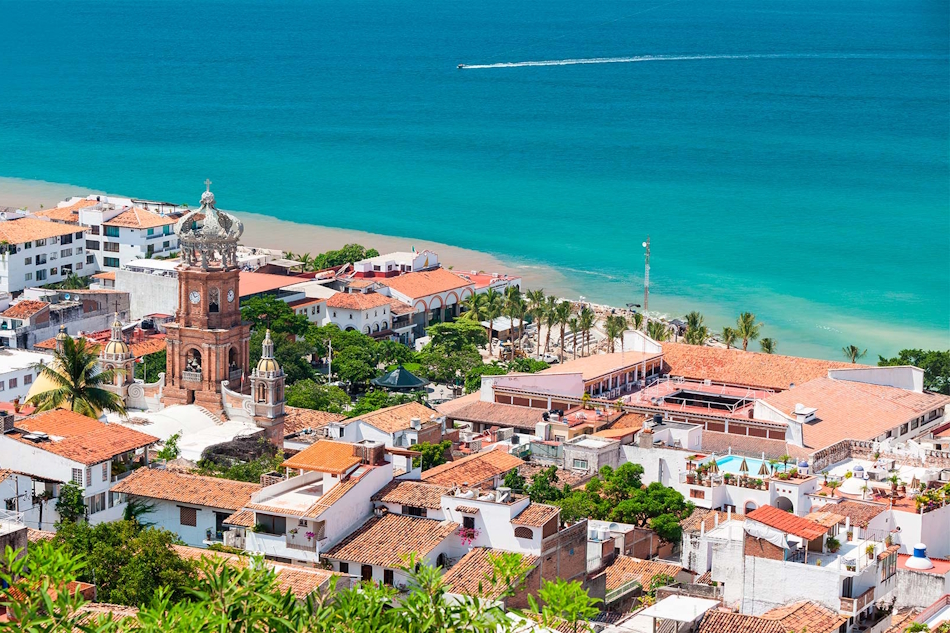
7. Puerto Vallarta and Riviera Maya – Tropical coastal paradises
Mexico is blessed with two spectacular coastlines, each offering its own unique version of paradise. On the Pacific, Puerto Vallarta is a city of immense charm, where the cobblestoned streets of its Zona Romántica meet the golden sands of the Bay of Banderas, backed by the lush Sierra Madre mountains.
On the opposite side, the Riviera Maya stretches down the Caribbean coast, a world of pristine white-sand beaches, crystal-clear turquoise water, and the second-largest barrier reef system on the planet. Both destinations are perfect for snorkelers, divers, and anyone seeking pure, sun-drenched relaxation.
8. Chiapas – Land of jungles and waterfalls
The southern state of Chiapas is one of Mexico’s most culturally rich and naturally stunning regions. This is a land of dense, misty jungles, powerful waterfalls, and a strong, living indigenous Maya culture.
The ancient city of Palenque, shrouded in jungle vines, is arguably the most atmospheric and beautiful of all Maya sites. The state is also home to the stunning Agua Azul waterfalls and the colonial jewel of San Cristóbal de las Casas, a beautiful highland city with a unique, bohemian atmosphere.
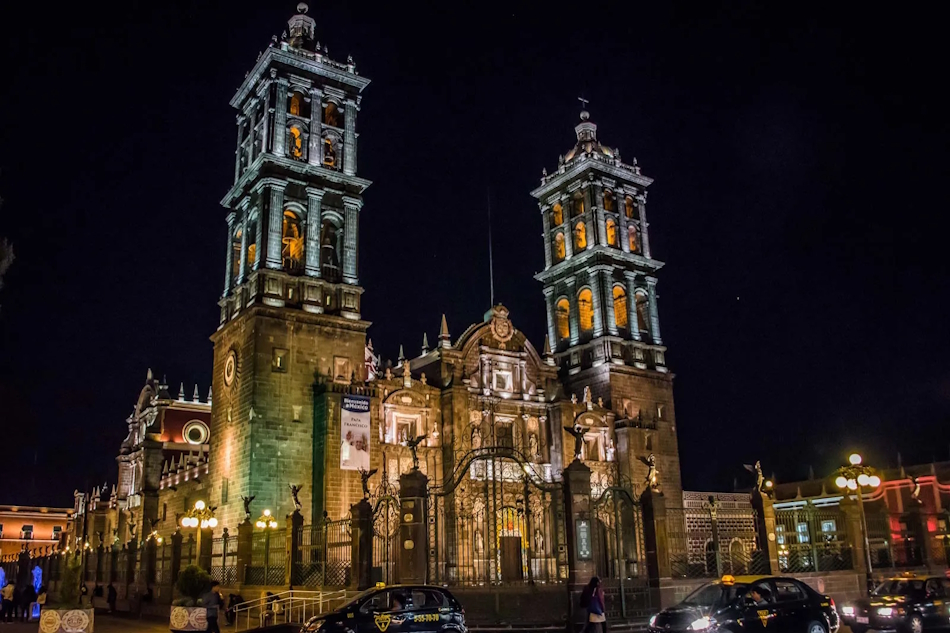
9. Puebla – City of angels
Nestled in the shadow of the Popocatépetl volcano, Puebla is a beautifully preserved colonial city. Its historic center is a UNESCO World Heritage site, famous for its stunning Baroque architecture, particularly the magnificent Rosario Chapel, which is covered in dazzling gold leaf.
Puebla is also a culinary capital, most famous as the birthplace of mole poblano, the rich, complex sauce that is a cornerstone of Mexican cuisine.
10. Veracruz – Gateway to Mexico
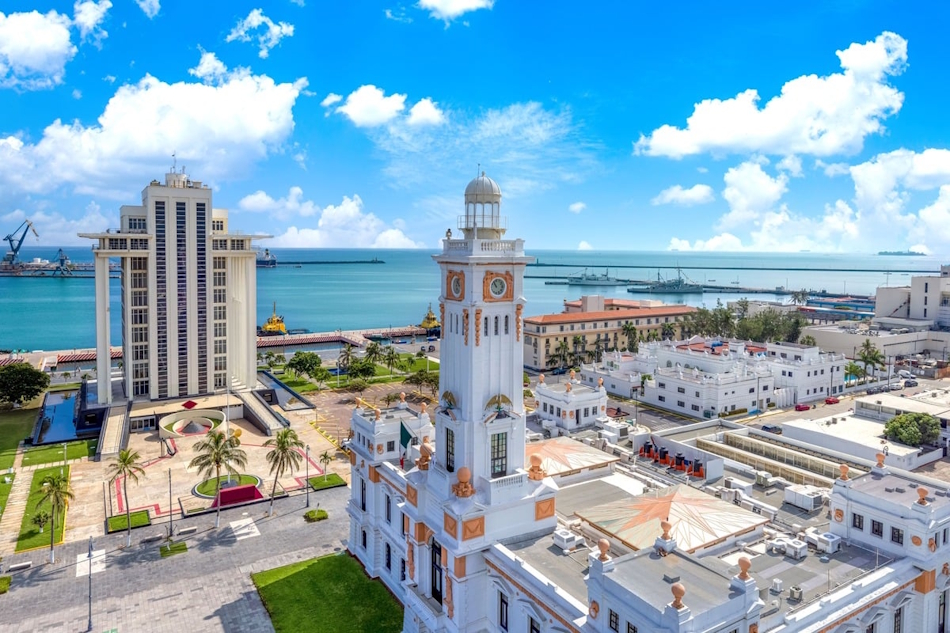
As Mexico’s oldest and most important port city, Veracruz has a rich, multicultural history. This is where the Spanish first landed, and the city has a vibrant, Afro-Caribbean energy that sets it apart from the rest of the country.
Veracruz is a city of music and dance, famous for its lively zócalo, where the traditional danzón is danced in the evenings. The historic fortress of San Juan de Ulúa, which once guarded the port against pirates, offers a fascinating look into the city’s dramatic past.
Conclusion
Mexico is a country that encourages exploration. From diverse natural scenery to rich history to vibrant culture and cuisine, every traveler will find something to enjoy here.
Whether you’re looking for adventure in nature or cultural immersion in history, Mexico offers unforgettable experiences for every visitor. This country is a real treasure waiting to be discovered.
Interesting facts
The total length of the Mexican coastline is 9,219 km. To the west is the Pacific coast, to the east the Atlantic coast, part of the east coast is washed by the Gulf of Mexico and part by the Caribbean Sea. In the south, the narrow Central American Trench stretches along the coast, reaching depths of over 6,000 meters.
The area of Mexico is almost 2 million square kilometers, making it the third largest country in Latin America after Brazil and Argentina. It is also the most populous and largest country in Central America.
The Mexican territory is mostly part of the North American Cordillera, which forms an extensive highland that rises gradually towards the south. Its core is the “Mesa Central” plateau, which is intersected by mountain ridges and basins.
Mexico: Fast Facts
- Capital City: Mexico City
- Currency: Mexican Peso (MXN)
- Official Language: Spanish
- Best Time to Visit: December – April for dry and pleasant weather.
The Mexican highlands are bordered by the Sierra Madre Oriental and Sierra Madre Occidental mountain ranges on both sides of the ocean. In the south, the Mexican highlands are called the Anahuácké highlands and rise to a height of 2,000 meters.
The most important parts are two basins with a high concentration of population – the Mexican and Toluca valleys. Both are very fertile. The southern part of the Mexican Highlands features the Cordillera Neovolcánica, a major volcanic range. This range itself is composed of several smaller mountain systems.
The highest mountains are: Pico de Orizaba (or Citlaltépetl) (5,636 m), Popocatépetl (5,452 m), Iztaccíhuatl (5,280 m) and Colima (4,340 m). This part of the territory is prone to earthquakes of tectonic origin. Volcanoes are also frequently active.
Further south lies the Sierra Madre del Sur mountain range, bordered by the Pacific Ocean to the south, the Tehuantepec Isthmus to the east, and the Neovolcanic Belt to the north.
To the east of the Tehuantepec Isthmus rises the Sierra Madre de Chiapas mountain range, which merges into the Tabasco lowlands. This connects to the extensive dry and karstic limestone plateau of the Yucatan Peninsula.
In the northwest, part of Mexico is formed by the 1,250 km long California Peninsula and the Gulf of California. The highest mountain on the peninsula is El Picacho del Diablo – 3,095 m above sea level. 500 km west of the coast lie the volcanic Revillagigedo Islands.
National anthem
Himno Nacional Mexicano
(Mexican national anthem)