


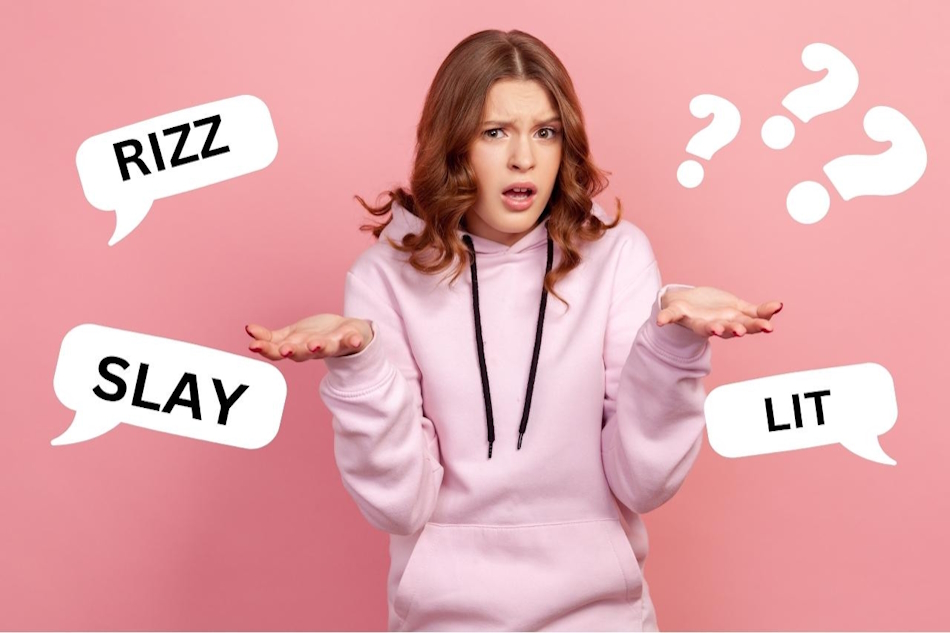
Generation Z, often referred to as “Zoomers,” is the demographic group that follows Millennials.
Born roughly between the mid-1990s and the early 2010s, this generation grew up in the digital age and is known for its ability to quickly adapt to new technologies and trends.
With this adaptability comes a unique language that is often misunderstood by older generations. In this article, we’ll take a look at some of the most popular words and expressions that are characteristic of Generation Z.
1. Rizz
The word “Rizz” is short for “charisma.” It is used to describe a person who has a natural ability to attract and influence others. If someone says they have “rizz,” it means they are charismatic and know how to engage the people around them. The term is often used in the context of social interactions, especially on social media and in online environments.
2. Snatched
“Snatched” is a term used to describe something that looks very good or is very attractive. Originally, this term was used in the context of fashion and beauty, but it has gradually spread to describe any aspect of life that is considered outstanding or impressive. If someone says that something is “snatched,” it means that it is really great and worth paying attention to.
3. Boujee
The word “boujee” is derived from the French word “bourgeoisie” (bourgeoisie) and is used to describe someone or something that is luxurious or sophisticated. The term often carries a connotation of excessive elegance or an attempt to show off wealth and status. In the context of Generation Z, “boujee” is used to describe a lifestyle that is considered prestigious and exclusive.
4. Lit
“Lit” is a term used to describe something that is very fun or exciting. The term is often used to describe parties, concerts, or other social events that are considered extremely successful and fun. If someone says that something is “lit,” it means that it is really great and worth checking out.
5. FOMO
“FOMO” is an acronym for “Fear Of Missing Out.” The term describes the anxiety people feel when they feel like they are missing out on something important or interesting. In the digital age, where social media is constantly full of updates and news, FOMO is a common phenomenon, especially among younger generations.
6. Stan
“Stan” is a combination of the words ‘stalker’ and “fan” and is used to describe someone who is an extremely devoted fan of a particular celebrity, artist, or brand. The term became popular thanks to Eminem’s song “Stan,” which tells the story of an obsessed fan. Nowadays, “stan” is used to describe someone who is very passionate and devoted to their idol.
7. Ghosting
“Ghosting” is a term used to describe a situation where someone suddenly stops communicating with another person without explanation. This phenomenon is common in online dating and social media, where it is easy to break off contact without warning. Ghosting can be very hurtful to the person who is “ghosted” because they are left without answers or explanations.
8. Flex
“Flex” is a term used to describe showing off one’s wealth, achievements, or other positive aspects of one’s life. If someone is “flexing,” it means they are bragging or showing off something they are proud of. This term is often used on social media, where people share their achievements and luxury items to gain recognition and admiration from others.
9. No Cap
“No Cap” is a term used to emphasize the truthfulness of something. If someone says “no cap,” it means they are telling the truth and not lying. The term is often used in conversations where it is important to emphasize that something is really true and authentic.
10. Drip
“Drip” is a term used to describe a stylish and fashionable appearance. If someone has “drip,” it means that they are dressed very stylishly and their outfit is really impressive. The term is often used on social media, where people share their fashion creations and gain recognition for their taste and style.
11. Swag
“Swag” is a word used to describe confident and charismatic behavior. If someone has “swag,” it means they have a natural ability to attract and influence others with their style and attitude. The term is often used in the context of fashion, music, and culture, where it is important to have a unique and distinctive style.
12. Yeet
“Yeet” is a term used to express excitement or joy. The term is often used in the context of throwing or tossing something with great force and energy. “Yeet” has become popular thanks to social media and meme culture, where it is used to express strong emotions and enthusiasm.
13. Simp
“Simp” is a term used to describe a person who is overly devoted or submissive to someone else, often in a romantic context. The term often has a negative connotation and suggests that the person is trying to gain attention or affection from someone else at the expense of their own dignity. In the context of Generation Z, “simp” is used to describe someone who is overly willing to do anything for someone they admire.
14. Bet
“Bet” is a term used to express agreement or confirmation. If someone says “bet,” it means that they agree with something or that they consider something to be certain. This term is often used in conversations where it is important to express support or agreement with something that has been said.
15. Salty
“Salty” is a term used to describe someone who is irritated or angry. The term is often used in a context where someone is overreacting to something that has happened and is expressing their dissatisfaction or frustration. If someone says they are “salty,” it means they are angry or irritated about something that has happened.
16. Tea
“Tea” is a term used to describe gossip or interesting information. If someone says they have “tea,” it means they have some interesting or shocking information they want to share. The term is often used on social media, where people share gossip or news about famous people or events.
17. Woke
“Woke” is a term used to describe someone who is socially and politically aware. The term is often used to describe people who are aware of social and political issues and actively seek to address them. In the context of Generation Z, “woke” is used to describe someone who is engaged in issues of justice and equality.
18. Receipts
“Receipts” is a term used to refer to evidence or documentation, often in the form of screenshots or messages, that confirms the truth of a claim. In the context of Generation Z, this term is often used on social media, where people share “receipts” to support their claims or expose false information.
19. Clout
“Clout” is a term used to describe influence or popularity, especially on social media. If someone has “clout,” it means they have a large number of followers or fans and their opinions and actions have a significant impact. The term is often used in the context of online influencers and celebrities who use their “clout” to influence public opinion or promote products.
20. Bop
“Bop” is a term used to describe a song that is very catchy and enjoyable to listen to. If someone says that a song is a “bop,” it means that it is a hit that people like to listen to over and over again. This term is often used in the context of music, where the quality and popularity of songs are evaluated.
21. Cap
“Cap” is a term used to refer to a lie or false statement. If someone says “that’s cap,” it means they don’t believe what was said and consider it a lie. The term is the opposite of “no cap,” which emphasizes truthfulness.
22. Slaps
“Slaps” is a term used to describe something that is very good or impressive, especially in the context of music. If someone says that a song “slaps,” it means that it is a very good song with a strong beat or melody. The term is often used to express appreciation for quality music.
23. Sksksk
“Sksksk” is a term used as a sound effect to express laughter or excitement. The term became popular thanks to the TikTok platform and is often associated with the VSCO girl internet subculture. It is used in text messages and online conversations to express emotions.
24. VSCO Girl
“VSCO Girl” is a term used to describe a certain style and subculture that is popular among young girls. The style is characterized by the use of the VSCO photo editing app, wearing scrunchies, Hydro Flask water bottles, and clothing brands such as Patagonia and Birkenstock. VSCO girls are known for their eco-friendly approach and specific aesthetic style.
25. Big Yikes
“Big Yikes” is an expression used to express a strong feeling of embarrassment or shame. If someone says “big yikes,” it means that the situation is extremely uncomfortable or embarrassing. The term is often used in online conversations to emphasize the intensity of feelings.
26. Lowkey/Highkey
“Lowkey” and “highkey” are expressions used to express the intensity of feelings or intentions. ‘Lowkey’ means something that is hidden or inconspicuous, while “highkey” means something that is obvious or intense. The expressions are often used to describe how much someone wants or feels something.
27. Mood
“Mood” is a term used to describe the feeling or state of mind that someone is experiencing. If someone says “that’s a mood,” it means that the situation or feeling accurately describes their current mood. The term is often used on social media to express empathy or agreement with something.
28. Shook
“Shook” is a term used to describe a feeling of surprise or shock. If someone says they are “shook,” it means they are very surprised or taken aback by something that has happened. The term is often used in the context of unexpected events or news.
29. Slay
“Slay” is a term used to describe someone who does something very well or impressively. If someone “slays,” it means they excel at an activity or look exceptionally good. The term is often used to express appreciation and admiration.
30. Tea Spill
“Tea spill” is a term used to describe a situation where someone shares gossip or secret information. If someone “spills the tea,” it means they reveal something interesting or shocking. The term is popular on social media, where people often share “tea” about famous people or events.
Conclusion
The language of Generation Z is dynamic and constantly evolving. These expressions are just a small sample of how this generation communicates and expresses their thoughts and feelings. These words and phrases reflect the values, interests, and culture of Generation Z.
Zoomers are a generation that is strongly influenced by the digital world and social media. For older generations, this language can be complex and incomprehensible, but for this generation, it seems like a natural way to communicate and express themselves.