


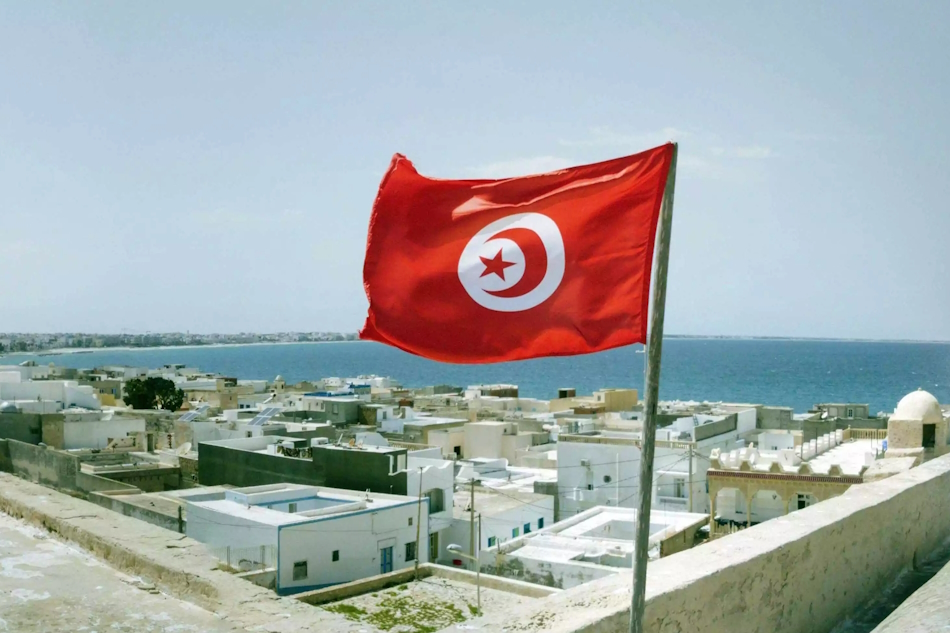
Tunisia is a blend of history, vibrant culture, and natural scenery.
But this is more than just a beach destination; it is a land steeped in millennia of history, a vibrant tapestry of cultures, and a sanctuary of breathtaking natural beauty.
From the legendary ruins of a fallen empire to the labyrinthine alleys of ancient medinas and the serene beauty of desert oases, Tunisia offers a profound journey for the soul.
It’s a place where the stories of powerful civilizations echo in the wind, inviting you to uncover its many layers. Let’s embark on an exploration of the must-see destinations that define the unforgettable Tunisian experience.
1. Carthage – Echoes of a lost empire
To walk through Carthage is to tread on the dust of legends. Once a mighty Phoenician city-state that commanded a vast maritime empire, it was Rome’s most formidable rival.
The Punic Wars, a series of epic conflicts, defined an era and ultimately led to Carthage’s utter destruction in 146 B.C., when the Romans famously sowed the fields with salt. Yet, so strategic was its location that Rome itself resurrected it, building a new, magnificent Roman Carthage on the very same soil.
Today, the sprawling archaeological site, a UNESCO World Heritage treasure, tells this dramatic two-part story. Forget a single, enclosed ruin; Carthage is a mosaic of sites scattered across a wealthy Tunis suburb, where the ancient world peeks out from behind pristine white villas.
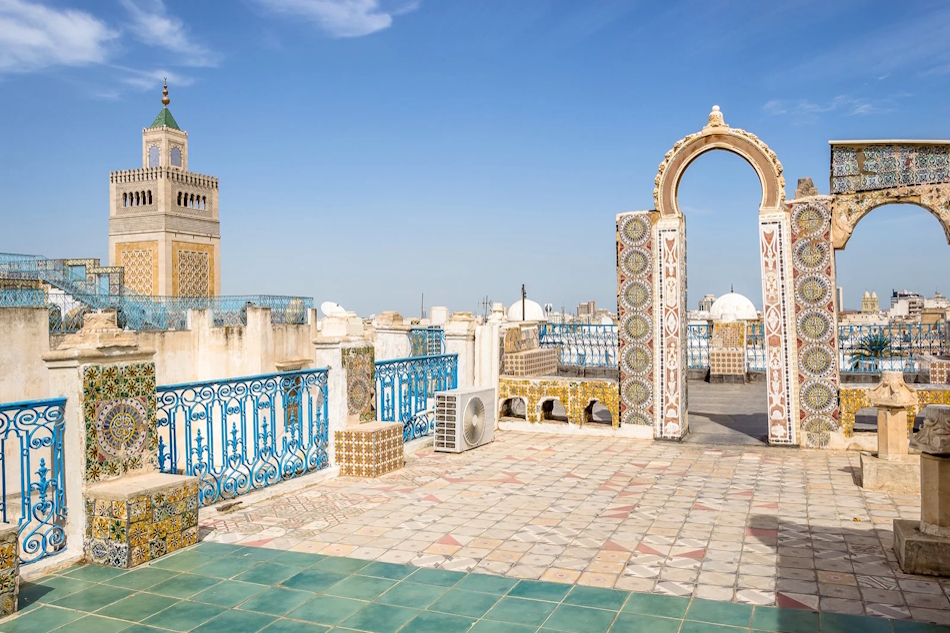
Key experiences:
- The Antonine Baths: Stand in awe before the colossal remains of what were once the largest Roman baths outside of Rome itself. Imagine the social and political life that unfolded here as you wander through the immense vaulted chambers and gaze at the reconstructed friezes. Close your eyes and you can almost hear the splash of water and the murmur of senators. The view from the baths, looking out over the deep blue Gulf of Tunis, is simply breathtaking.
- Byrsa Hill: This is the spiritual heart of ancient Carthage. Climb to the top, where the Carthage National Museum is housed, to grasp the sheer scale of both the Punic and Roman cities. The artifacts here, from delicate Punic jewelry to intricate Roman mosaics, bring the daily lives of their inhabitants into sharp focus.
- The Punic Ports: Explore the two circular basins that were the source of Carthage’s naval power. This engineering marvel—a commercial outer harbor and a circular inner harbor for its military fleet, hidden from view—allowed Carthage to dominate Mediterranean trade for centuries. Today, it’s a peaceful, almost residential area, its militant past belied by the calm waters.
Practical tips:
The sites are spread out, so hire a taxi for the day or use the local TGM train, which has several stops conveniently located near the ruins. Wear comfortable shoes, as you’ll be doing a lot of walking. Visit in the late afternoon to catch the golden hour, when the sun casts a magical glow on the ancient stones.
2. Sidi Bou Said – The blue and white dream of the Mediterranean
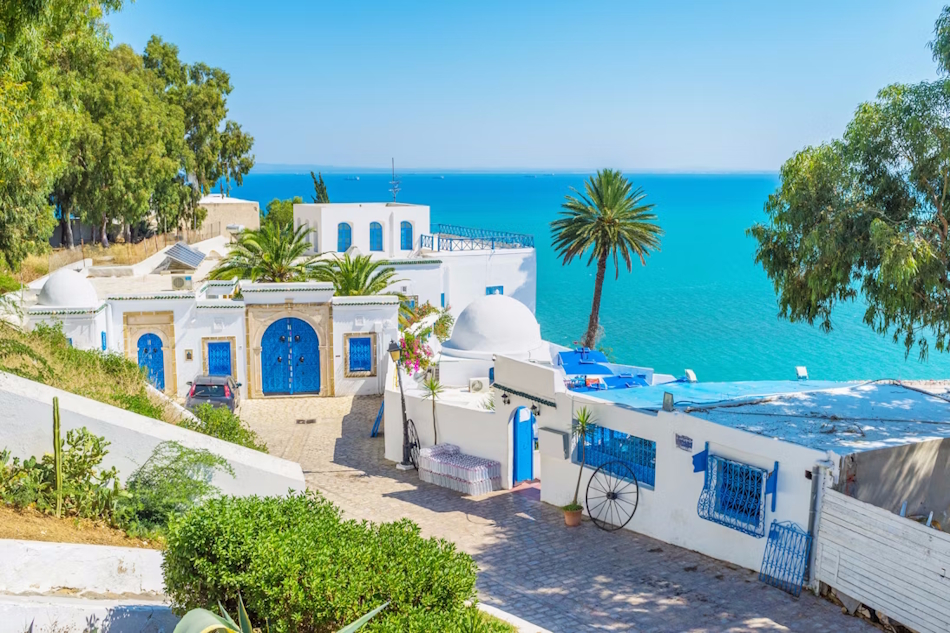
Perched on a cliff overlooking the shimmering Mediterranean, Sidi Bou Said is a village straight out of an artist’s fantasy. It’s not just a place; it’s a feeling. Legend says the tradition of its iconic blue-and-white color scheme was started by a French baron in the 1920s, but its soul is purely Tunisian.
The brilliant white of the buildings creates a perfect canvas for the vibrant azure of the doors, shutters, and ornate window grilles (mashrabiya).
The town is a sanctuary of tranquility and inspiration, a place that has captivated artists and intellectuals for over a century, including the likes of Paul Klee and André Gide.
Key experiences:
- Lose Yourself in the Alleys: The greatest joy in Sidi Bou Said is to simply wander. Turn off the main street and get lost in the narrow, cobblestone lanes. Every corner reveals a new, perfect vista: a cascade of bougainvillea tumbling over a white wall, a stunningly intricate blue door, or a sudden, breathtaking view of the sea.
- Café des Nattes: Follow the main street up to this legendary café, a local institution for centuries. Recline on the traditional mat-covered platforms, sip on a sweet mint tea topped with pine nuts, and perhaps try a shisha pipe as you watch the world go by. The atmosphere is timeless.
- Art Galleries and Boutiques: The village is a haven for artisans. Duck into the small galleries to find beautiful paintings, ceramics, and handcrafted jewelry. The shops offer everything from traditional leather goods to fragrant perfumes, making it the perfect place to find a unique, high-quality souvenir.
Practical tips:
The town can get crowded, especially during weekend afternoons. For a more peaceful experience, visit on a weekday morning or stay for the evening, when the day-trippers have left and a magical quiet descends. The best photos are often found in the less-traveled side streets, so don’t be afraid to explore.
3. Douz – The whispering gateway to the Sahara
Douz is not just a town; it’s a threshold between worlds. Known as the “Gateway to the Sahara,” this is where the paved roads end and the infinite sea of sand begins. It’s a place where the modern world gives way to the ancient rhythms of the desert, and home to the Mrazig people, a tribe known for its deep connection to the land. Douz has a unique energy, a mix of quiet anticipation and the untamed spirit of the desert.
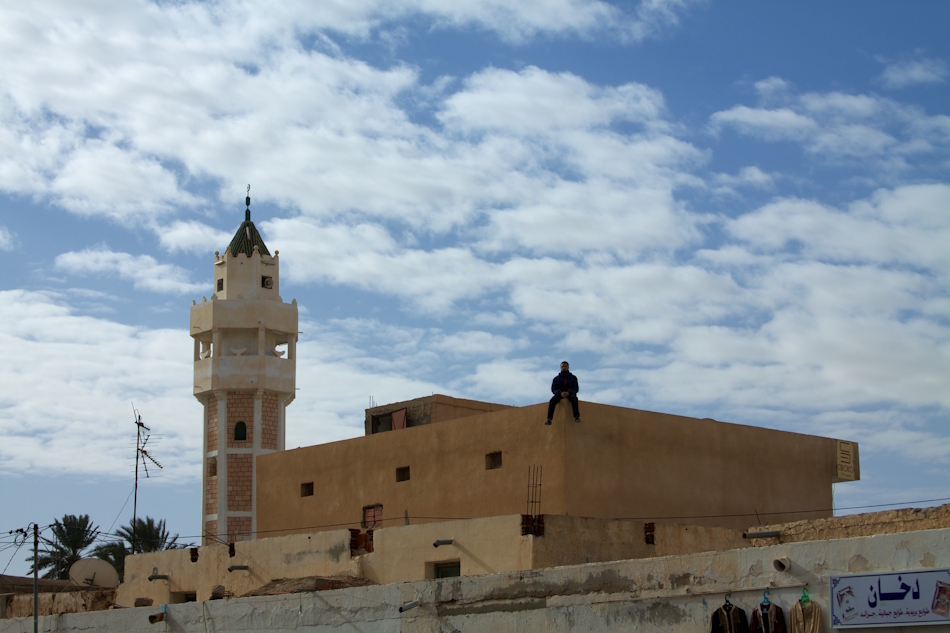
Key experiences:
- A True Camel Méharée: Forget the short, touristy rides. For an authentic experience, arrange for a multi-day trek into the desert. Riding a camel through the silent, rolling dunes as the sun sets is a truly spiritual experience. At night, you’ll sleep under a blanket of stars so bright they seem almost within reach, listening to the crackle of the campfire and the stories of your Bedouin guides.
- 4×4 Desert Safari: For an adrenaline rush, take a jeep safari deep into the Grand Erg Oriental. Skilled drivers navigate the massive dunes, leading you to hidden oases and stunning rock formations. The sheer scale and emptiness of the landscape are humbling.
- The Douz Market: If you’re there on a Thursday, don’t miss the weekly market. It’s a vibrant, chaotic, and utterly authentic affair where local tribesmen come to trade livestock, spices, and crafts. It’s a fascinating glimpse into the living culture of the desert.
Practical tips:
The desert is a place of extremes. Pack layers: light clothing for the heat of the day and warm clothes for the surprisingly cold nights. A headscarf is essential to protect against sun and sand. Always carry more water than you think you’ll need. The International Festival of the Sahara, held in late December, is a spectacular celebration of desert culture.
4. El Djem – The grandeur of Roman Africa
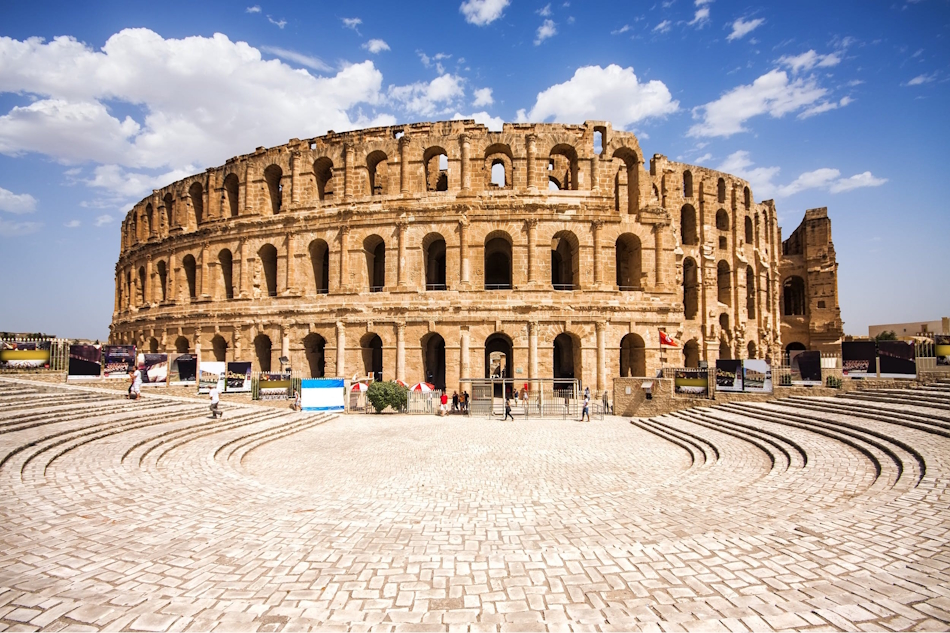
Rising unexpectedly from the flat, arid plains of central Tunisia, the Amphitheater of El Djem is a breathtaking testament to the power and ambition of the Roman Empire in Africa.
Built in the 3rd century A.D. and second only to the Colosseum in Rome in size, it could hold an astounding 35,000 spectators who flocked to witness gladiatorial contests and chariot races.
What makes El Djem so special is its remarkable state of preservation. Unlike the Colosseum, you can explore this monument almost in its entirety.
Key experiences:
- Walk the Underground Passages: Descend beneath the arena floor into the dark, cool corridors where gladiators and wild animals were held before being sent up to the roar of the crowd. The atmosphere is chilling and evocative; you can feel the tension and fear that must have permeated these walls.
- Climb to the Top Tier: Make the climb up the steep stone staircases to the highest levels of the amphitheater. The reward is a panoramic view that is simply staggering. You can see for miles across the surrounding landscape and truly appreciate the monumental scale of the structure.
- El Djem Archaeological Museum: Don’t skip the nearby museum. It houses an exceptional collection of incredibly well-preserved Roman mosaics, rescued from the luxurious villas of the area. These intricate artworks depict scenes from mythology, daily life, and nature with astonishing detail and color.
Practical tips:
El Djem is a popular day trip. Arrive early in the morning to avoid the midday heat and the tour bus crowds. A single ticket grants you access to both the amphitheater and the museum. Combine your visit with a stop in the nearby city of Kairouan, another of Tunisia’s historic and religious gems.
5. Tozeur – The lush oasis and its brick-artistry
Tozeur is a true desert marvel, a sprawling oasis that feels like a mirage brought to life. It is famous for two things: its vast palm grove, a lush canopy of over 400,000 date palms, and its unique, decorative brickwork architecture.
The buildings in the old medina are adorned with geometric patterns made from sun-dried mud bricks, a traditional art form that is both beautiful and functional, providing natural insulation against the desert heat.
Key experiences:
- Explore the Medina of Ouled el-Hadef: Wander through the cool, shaded alleys of the 14th-century old town. The intricate brick patterns are mesmerizing, creating a play of light and shadow that changes throughout the day. It’s a photographer’s paradise.
- Walk or Bike Through the Palmarie: Escape the city heat by exploring the vast palm grove. A network of paths winds through the shade of the palms, past small-scale farms where locals grow fruits and vegetables in the fertile soil beneath. It’s a beautifully tranquil and green environment.
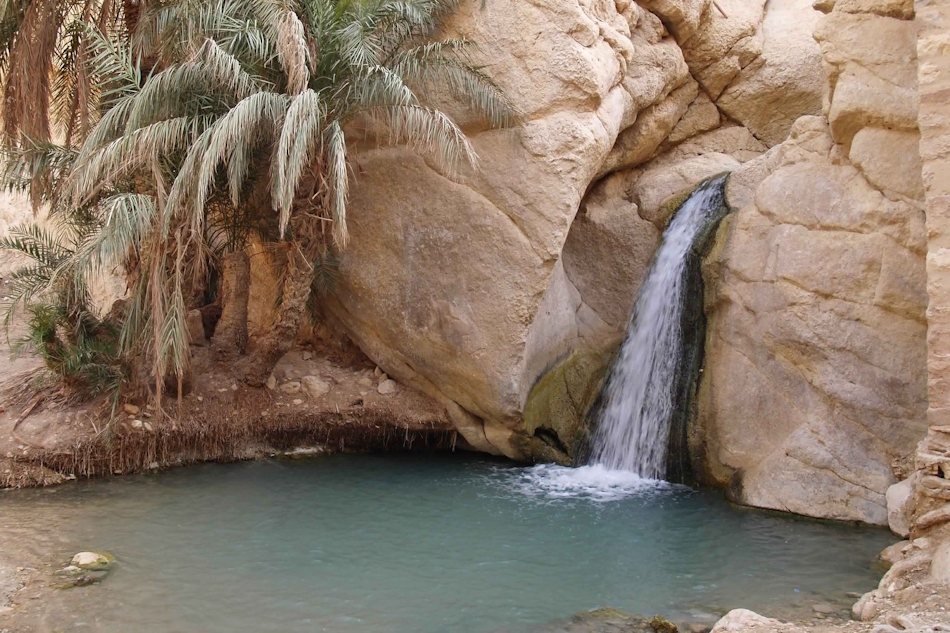
- Journey to the Mountain Oases: Take a day trip to the nearby mountain oases of Chebika, Tamerza, and Midès. Nestled in the canyons of the Atlas Mountains, these stunning oases feature waterfalls, crystal-clear pools, and abandoned Berber villages. The drive itself, through rugged and dramatic landscapes, is part of the adventure. And don’t miss Chott el Djerid, the vast, shimmering salt flat that creates mind-bending mirages on the horizon.
Practical tips:
Tozeur is a great base for exploring the region. The best way to see the mountain oases is by hiring a 4×4 with a local driver who knows the terrain. Be sure to try the local Deglet Nour dates, considered some of the best in the world.
Conclusion: A land of enduring stories
Tunisia is a nation of profound contrasts and captivating depth. It’s where the echoes of history resonate not in stuffy museums, but in the sun-drenched ruins you can touch and the ancient marketplaces that are still bustling with life.
It’s a country that invites you to look beyond the headlines and discover a world of incredible hospitality, rich traditions, and landscapes that stir the imagination. Whether you’re seeking the thrill of a desert adventure, the peace of a seaside village, or a deep dive into the annals of history, Tunisia promises not just a vacation, but a story that will stay with you forever.