
Brazil is a place where wild nature, rich history, diverse culture, and a passion for life come together.
This fascinating country, the largest in South America, offers endless possibilities for travelers—from beautiful beaches and tropical rainforests to vibrant cities and historical monuments.
If you’re looking for a destination that will surprise you at every turn, Brazil is the right choice. Let’s take a look together at why you should visit this amazing country and what it has to offer.
1. Rio de Janeiro – The city of gods and carnivals
Rio de Janeiro, known as the “Cidade Maravilhosa” (Marvelous City), is one of the most iconic cities in the world. This city will charm you with its energy, beautiful beaches, and world-famous landmarks.
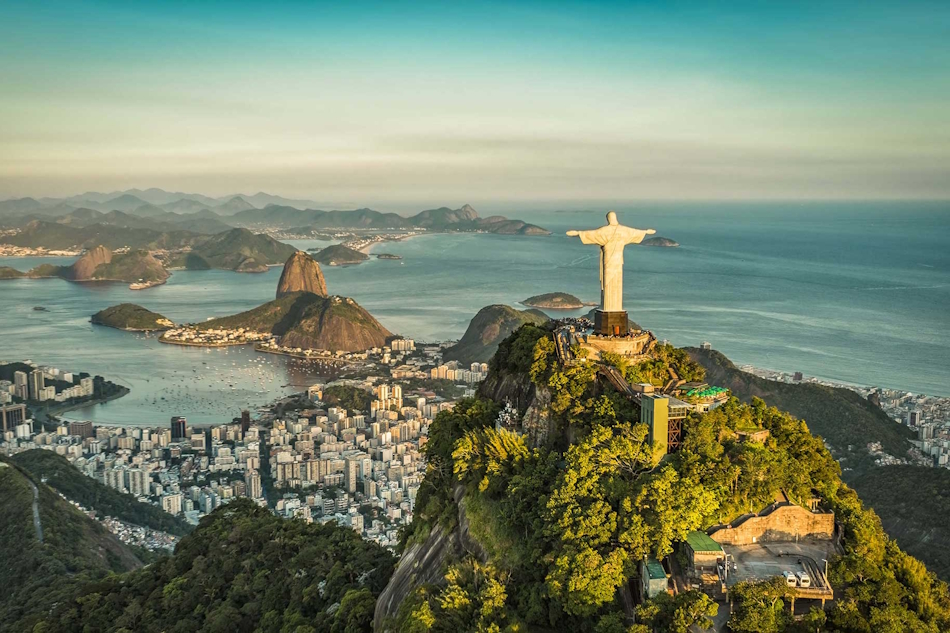
- Christ the Redeemer statue (Cristo Redentor) – This massive statue, towering atop Corcovado Mountain, is one of the New Seven Wonders of the World. The view from the top over all of Rio is simply unforgettable.
- Sugarloaf Mountain (Pão de Açúcar) – A cable car takes you to this iconic peak, from where you can enjoy panoramic views of the city, Guanabara Bay, and the surrounding beaches.
- Copacabana and Ipanema beaches – Rio is famous for its beautiful beaches where you can relax, swim, or play beach volleyball. The atmosphere on these beaches is unique.
- Carnival in Rio – The largest and most famous carnival in the world, attracting millions of visitors each year. The city streets come alive with colors, music, and samba dancing.
2. The Amazon rainforest – The lungs of the planet
The Amazon rainforest is one of the world’s greatest natural wonders. This vast ecosystem is home to countless species of plants, animals, and indigenous tribes.
- Manaus – The capital of the Amazon region, serving as a starting point for expeditions into the rainforest. Visit the Mercado Adolpho Lisboa market, where you’ll find local products and exotic fruits.
- Meeting of Waters (Encontro das Águas) – A unique natural phenomenon where the dark waters of the Rio Negro and the sandy-colored waters of the Rio Solimões meet but do not mix. You can see this during a boat trip.
- Rainforest expeditions – Embark on an adventurous journey into the heart of the rainforest, where you can see exotic animals like toucans, monkeys, and pink river dolphins.
3. São Paulo – A city of endless possibilities
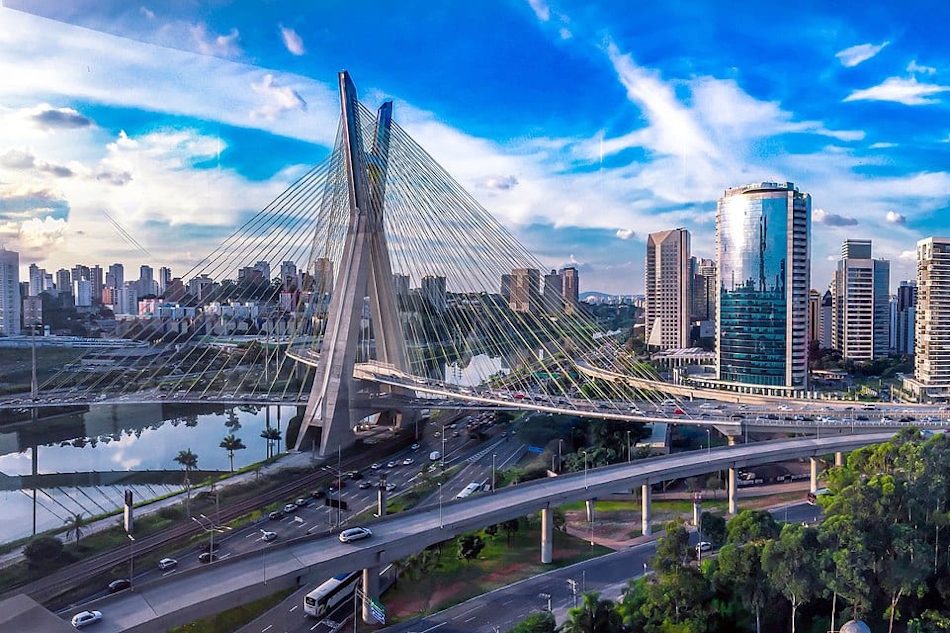
São Paulo, Brazil’s largest city, is a vibrant hub of culture, art, and gastronomy. This cosmopolitan city offers a multitude of experiences for everyone.
- Avenida Paulista – The city’s main thoroughfare, where you’ll find museums, galleries, shops, and restaurants. It’s an ideal place for a stroll and getting to know the city.
- São Paulo Museum of Art (MASP) – One of the most important museums in Latin America, exhibiting works by world-renowned artists such as Van Gogh, Rembrandt, and Monet.
- Mercado Municipal – A paradise for food lovers, where you can taste local specialties like pastel (fried pastries) and a mortadella sandwich.
- Nightlife – São Paulo is known for its nightclubs, bars, and live music. If you enjoy entertainment, this city will not disappoint.
4. Salvador – The cradle of Brazilian culture
Salvador, the capital of the state of Bahia, is a place where African, European, and indigenous cultures meet. This city is known for its music, dance, and unique atmosphere.
- Historic Center of Pelourinho – This neighborhood is a UNESCO World Heritage site, filled with colorful colonial buildings, churches, and narrow streets.
- Carnival in Salvador – Less famous but just as amazing as the carnival in Rio. The city streets come alive with music and dance, blending various cultural influences.
- Praia do Forte and Itapuã beaches – Salvador offers beautiful beaches where you can relax and enjoy the sun and sea.
- Capoeira – A traditional Brazilian martial art that combines dance, music, and acrobatics. You can watch it or even learn it.
5. Iguazu Falls – Waterfalls that will take your breath away
Iguazu Falls, located on the border of Brazil and Argentina, is one of the world’s greatest natural wonders. This complex of 275 waterfalls is simply stunning.
- Iguazu National Park – Walk along the trails and bridges that allow you to admire the waterfalls from various angles. The most famous waterfall is Garganta del Diablo (Devil’s Throat).
- Boat trip – If you want to experience the waterfalls up close, take an adrenaline-pumping boat trip that takes you right under the falling water.
- Brazilian and Argentinian sides – Each side offers a different perspective on the falls, so if you have time, be sure to visit both.
6. Brasília – The modern capital
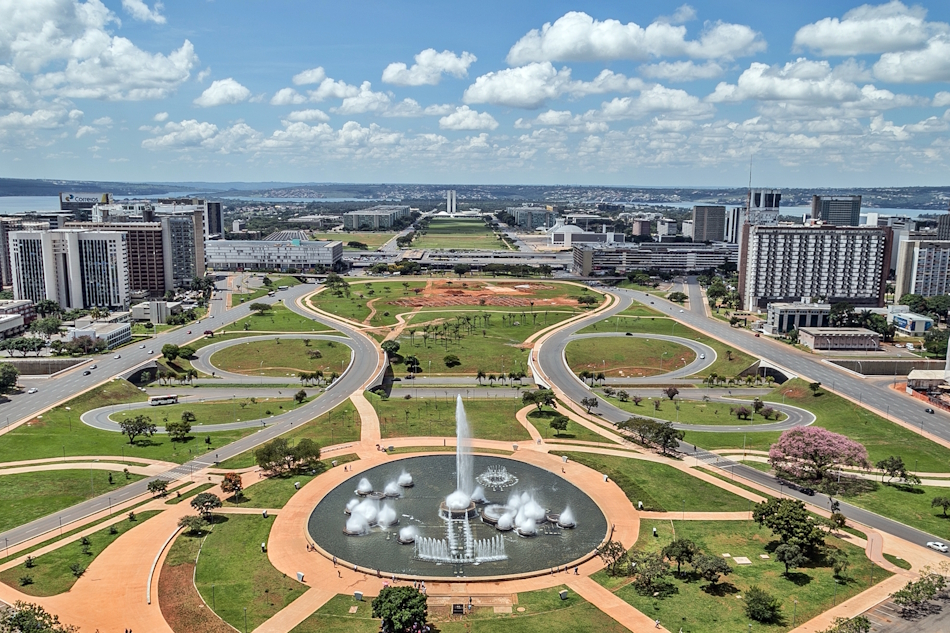
Brasília, the capital of Brazil, is known for its modern architecture and unique urban design. This city is a UNESCO World Heritage site as an example of modernist planning.
- Cathedral of Brasília – A unique modernist cathedral designed by the famous architect Oscar Niemeyer.
- Praça dos Três Poderes (Three Powers Plaza) – The political center of the city, where the government, parliament, and supreme court buildings are located.
- Lake Paranoá – An artificial lake that is a popular spot for water sports and relaxation.
7. Pantanal – A paradise for nature lovers
The Pantanal is the world’s largest wetland and is home to an incredible amount of wildlife. If you love nature and animals, this place will charm you.
- Wildlife watching – The Pantanal is one of the best places in the world to see jaguars, capybaras, caimans, and various species of birds.
- Boat trips and safaris – Take a boat trip or safari to explore the beauties of this unique ecosystem.
8. Traditional Brazilian cuisine
Brazil is a paradise for food lovers. The local cuisine is diverse and full of flavors that will enchant you.
- Feijoada – A traditional Brazilian dish of black beans and meat, served with rice and oranges.
- Pão de queijo – Small cheese rolls that are a popular snack.
- Açaí – A frozen dessert made from açaí berries, which is not only tasty but also healthy.
- Caipirinha – A traditional Brazilian cocktail made from cachaça, limes, sugar, and ice.
9. Local people and culture
Brazilians are known for their hospitality, joy for life, and love of music and dance. During your trip, you will surely meet kind and friendly people who will be happy to show you their culture.
Conclusion
Brazil is a country that offers you endless possibilities for discovery, relaxation, and adventure. Whether you are looking for beautiful nature, rich history, amazing food, or a vibrant culture, Brazil will not disappoint.

Interesting facts
Brazil is the largest and most populous state in South America. With an area of 8.5 million km² and more than 217 million inhabitants, it is the fifth-largest country in the world by area and the seventh most populous. To the east, it is bordered by the Atlantic Ocean and has a coastline of 7,491 km.
The territory of Brazil is home to one of the largest tropical rainforests in the world – the Amazon rainforest, which hosts diverse fauna and flora, various ecological systems, and extensive natural resources spread across many protected areas.
Brazil was formerly the largest colony of Portugal, and Portuguese is the official language in Brazil. The capital of Brazil is Brasília, a planned city built between 1956 and 1960 in the Brazilian hinterland.
The largest city is São Paulo with 12 million inhabitants (2016). The federation is a union of 26 states and a federal district. It is the largest country where Portuguese is the official language and the only one in the Americas.
It is one of the most multicultural and ethnically diverse nations, due to over a century of mass immigration from around the world, and is the most populous Roman Catholic-majority country.
The territory that became known as Brazil was inhabited for at least 50,000 years, and geoglyphs from pre-colonial times have been preserved on its territory. Before the landing of explorer Pedro Álvares Cabral in 1500, it was inhabited by numerous tribal nations.
Brazil became a Portuguese colony until 1808, when the capital of the empire was moved from Lisbon to Rio de Janeiro. In 1815, the colony was elevated to the rank of kingdom upon the formation of the United Kingdom of Portugal, Brazil and the Algarves.
Independence was achieved in 1822 with the creation of the Empire of Brazil, a unitary state governed under a constitutional monarchy and a parliamentary system. The ratification of the first constitution in 1824 led to the formation of a bicameral legislature, now called the National Congress.
Slavery was abolished in 1888. The country became a presidential republic in 1889 following a military coup d’état. An authoritarian military junta came to power in 1964 and ruled until 1985, after which civilian governance was restored.
Brazil’s current constitution, formulated in 1988, defines it as a democratic federal republic. Due to its rich culture and history, the country ranks thirteenth in the world by number of UNESCO World Heritage Sites.
Brazil is considered an advanced emerging economy, having the twelfth largest GDP in the world by nominal measures, and the ninth by purchasing power parity, the largest in Latin America.
As an upper-middle income economy by the World Bank and a newly industrialized country, Brazil has the largest share of global wealth in South America and is one of the world’s major breadbaskets, being the largest producer of coffee for the last 150 years.
However, the country retains a noticeable amount of corruption, crime and social inequality. Brazil is a founding member of the United Nations, the G20, BRICS, Mercosur, the Organization of American States, the Organization of Ibero-American States and the Community of Portuguese Language Countries.
National anthem
Hino Nacional Brasileiro
(Brazilian National Anthem)