

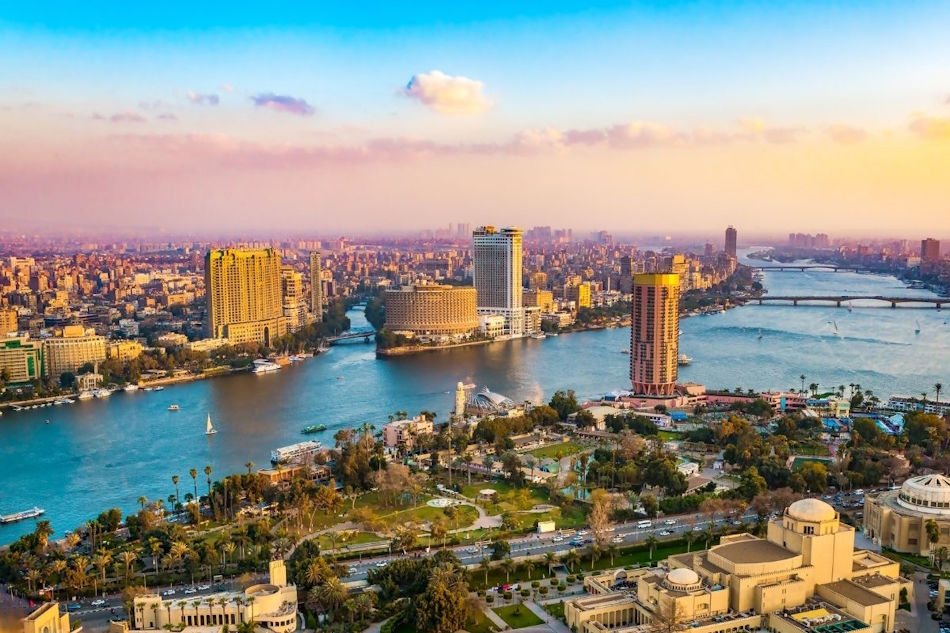
Egypt, a country with thousands of years of history, is synonymous with ancient monuments and fascinating cultural experiences.
From the monumental pyramids of Giza to the legendary temple in Luxor, Egypt offers countless opportunities for discovery and experiences in the world of ancient civilizations. In the following article, we will introduce some of the most interesting places that every visitor to Egypt should include in their itinerary. More tips can be found in the next article.
Read also:
Egypt – a country rich in history and monuments
Egypt – From ancient monuments to desert sands
Why are the tides in Egypt a phenomenon?
Cairo and Ain Sokhna – A combination of history and relaxation
1. Cairo – The bustling heart of Egypt
Cairo, the capital of Egypt, is a vibrant center where modern life blends with rich history. This city is home to more than 20 million people and is one of the largest cities on the African continent. Cairo is known for its lively atmosphere, where traditional Arab culture mixes with modern influences.
Egyptian Museum
One of Cairo’s main attractions is the Egyptian Museum in the city center. The museum is home to one of the most extensive collections of ancient Egyptian artifacts in the world. Among the most famous exhibits is the golden mask of Tutankhamun, which is considered one of the greatest treasures of ancient Egypt.
In addition, you will find a number of sculptures, jewelry, and other artifacts that offer a glimpse into the lives of the ancient Egyptians.
Khan El Khalili
For those who want to experience the authentic atmosphere of an Arab bazaar, a visit to the Khan El Khalili market is a must. This market, which has existed since the 14th century, is full of narrow streets where you can find everything from traditional handicrafts to modern souvenirs.
A stroll through this market is like a trip back in time, where you can sample local specialties such as falafel and koshari and admire the beauty of traditional Egyptian jewelry and textiles.
2. Giza – Home of the Great Pyramids
No visit to Egypt would be complete without a stop at the Great Pyramids of Giza. Built as tombs for pharaohs, these architectural masterpieces are among the oldest and largest structures ever built by humans.
The pyramids of Giza, including the Great Pyramid, which is the only remaining wonder of the ancient world, are a symbol of ancient Egyptian engineering and architecture.
The Great Sphinx
The complex also includes the Great Sphinx, the mysterious guardian of the pyramids. This monumental statue with the body of a lion and the head of a pharaoh is one of the most famous symbols of Egypt.
Carved from a single piece of limestone, the Sphinx is considered a symbol of royal power and protection. Its exact purpose and origin are still the subject of debate among historians and archaeologists.
3. Luxor – City of a Hundred Temples
Often called “the largest open-air museum in the world,” Luxor lies on the east bank of the Nile and is home to some of Egypt’s most important monuments.
Once the capital of ancient Egypt, this city is full of temples, tombs, and other historical monuments that bear witness to its rich history.
Luxor Temple and Karnak Temple
Among the most famous monuments in Luxor are Luxor Temple and Karnak Temple. The Luxor Temple, built in honor of the god Amun, is known for its impressive columned halls and huge statues of pharaohs.
The Temple of Karnak, the largest religious complex in Egypt, is known for its extensive religious complexes and impressive columned halls. Built over several centuries, this temple is considered one of the greatest architectural wonders of the ancient world.
Valley of the Kings
On the west bank of the Nile, opposite Luxor, lies the Valley of the Kings, where many pharaohs and nobles of ancient Egypt were buried. This place is known for its richly decorated tombs carved into the rock cliffs.
Among the most famous tombs is the tomb of Tutankhamun, which was discovered in 1922 and contained many treasures and artifacts.
4. Aswan – A city on the banks of the Nile
Aswan, Egypt’s southernmost major city, offers a glimpse of a different, more peaceful landscape. Once an important trading center, this city is now known for its beautiful nature and historical monuments.
Elephantine Island
Visit Elephantine Island, where you will find the ruins of ancient settlements and temples that bear witness to the rich history of this place. Once an important trading center, the island is now home to several archaeological sites, including the Temple of Khnum and the Nilometer, which was used to measure the level of the Nile.
Cruise on the Nile
One of the best ways to enjoy the beauty of Aswan is to rent a felucca and set sail on a relaxing cruise on the Nile. This traditional Egyptian sailboat offers a unique view of the surrounding landscape and allows visitors to experience the peace and beauty of the Nile.
5. Abu Simbel – Temple carved into the rock
The Temple of Abu Simbel, carved directly into a rock massif in southern Egypt, is one of the most impressive examples of ancient Egyptian architecture. It was built by King Ramesses II and is famous for its massive statues guarding the entrance to the sanctuary.
This temple, which was moved to a higher location to prevent it from being flooded after the construction of the Aswan Dam, is considered one of the greatest architectural wonders of ancient Egypt.
6. Memphis and Saqqara – The cradle of ancient Egyptian civilization
Memphis and Saqqara are two of the most important archaeological sites in Egypt, offering a glimpse into the beginnings of ancient Egyptian civilization. Located near Cairo, these sites are home to some of the oldest and most important monuments in the country.
Step Pyramid in Saqqara
Built for Pharaoh Djoser, it is considered the first pyramid in Egypt and the predecessor of all later pyramids. Designed by the architect Imhotep, this pyramid is an important milestone in the history of architecture and offers a glimpse into the development of burial practices in ancient Egypt.
The ancient city of Memphis
Memphis, once the capital of ancient Egypt, is now an archaeological site that offers a glimpse into the history and culture of this great civilization. Visitors can explore the ruins of temples, statues, and other monuments that bear witness to the glory and power of Memphis as the center of political and religious life in ancient Egypt.
Conclusion
Egypt is a country that offers endless possibilities for discovery and adventure. From ancient temples and pyramids to the hospitable banks of the Nile, every traveler will find something to capture their heart here.
Whether you are looking for adventure, want to immerse yourself in history, or just relax while gazing at ancient ruins, Egypt offers all this and more. It is a country where the past meets the present, and where every stone and every street tells a story of times long past.
For anyone who craves knowledge and discovery, Egypt is a place that should not be missing from your travel bucket list.
Interesting
Egypt has one of the longest histories of any country, dating back to the 6th to 4th millennium BC. Ancient Egypt, considered the cradle of civilization, was the first place where writing, agriculture, urbanization, organized religion, and central government appeared.
Egypt was an early and important center of Christianity, but in the 7th century it converted to Islam. In the 10th century, Cairo became the capital of the Fatimid Caliphate and in the 13th century of the Mamluk Sultanate.
The country then became part of the Ottoman Empire in 1517 and in 1867, local ruler Muhammad Ali declared it an autonomous khedivate. It was then occupied by the British Empire and gained independence as a monarchy in 1922.
After the revolution in 1952, Egypt declared itself a republic and in 1958 merged with Syria to form the United Arab Republic, which ceased to exist in 1961. The current Egyptian government is a semi-presidential republic led by President Abd al-Fattah al-Sisi since his election in 2014.
Egypt is considered a regional power in North Africa, the Middle East, and the Muslim world, and a middle power in the world. It is a developing country with a diversified economy, which is the third largest in Africa.
Tourism is one of the most important sectors of the Egyptian economy. In 2008, Egypt was visited by more than 12.8 million tourists, generating revenues of nearly $11 billion. The tourism sector employs approximately 12% of the Egyptian workforce.
Egyptian culture dates back more than six thousand years. Ancient Egypt was one of the oldest civilizations and for thousands of years maintained a culture that influenced many cultures in Europe, Africa, and the Middle East.
The capital of Egypt, Cairo, is the largest city in Africa and has been a center of education, culture, and trade for centuries. Egypt also boasts the highest number of Nobel Prize winners in Africa and the Arab world.
Egyptian music is composed of local, Mediterranean, African, and Western elements.
In ancient times, the Egyptians used many musical instruments, but the most popular were the harp, flute, and local instruments such as the ney and oud.
The most popular sport in Egypt is soccer. The most popular teams include Al Ahly, Zamalek, Ismaily, Al-Ittihad Alexandria, and Al Masry. Other popular sports in Egypt include squash and tennis.
National anthem
بلادي بلادي بلادي
Biládí, biládí, biládí
(My country, my country, my country)