

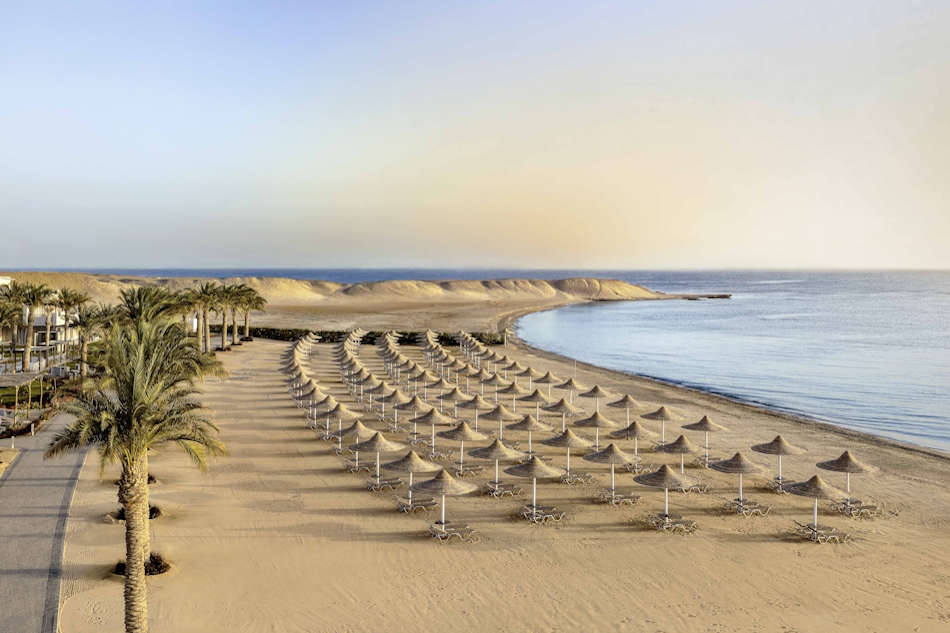
Tides influence the experiences of tourists visiting the popular destination.
Egypt, known for its year-round favorable sea swimming conditions, attracts visitors throughout the year, whether in summer or winter. However, it also has its specifics that can cause minor inconveniences for some tourists.
Also read:
Egypt – A country of rich monuments full of history
Egypt – Land of Pharaohs and immense heritage
Egypt – From ancient monuments to the sands of the deserts
Cairo and Ain Sokhna – A combo of history and relaxation
One of these is the tide, which in many places significantly complicates or even completely prevents swimming.
1. High and low tide – What does it mean for tourists?
High and low tides are natural phenomena that occur regularly and are caused by the gravitational pull of the Moon and the Sun on the Earth. In Egypt, particularly in areas like Hurghada or Marsa Alam, these phenomena affect the sea level and thus the swimming conditions.
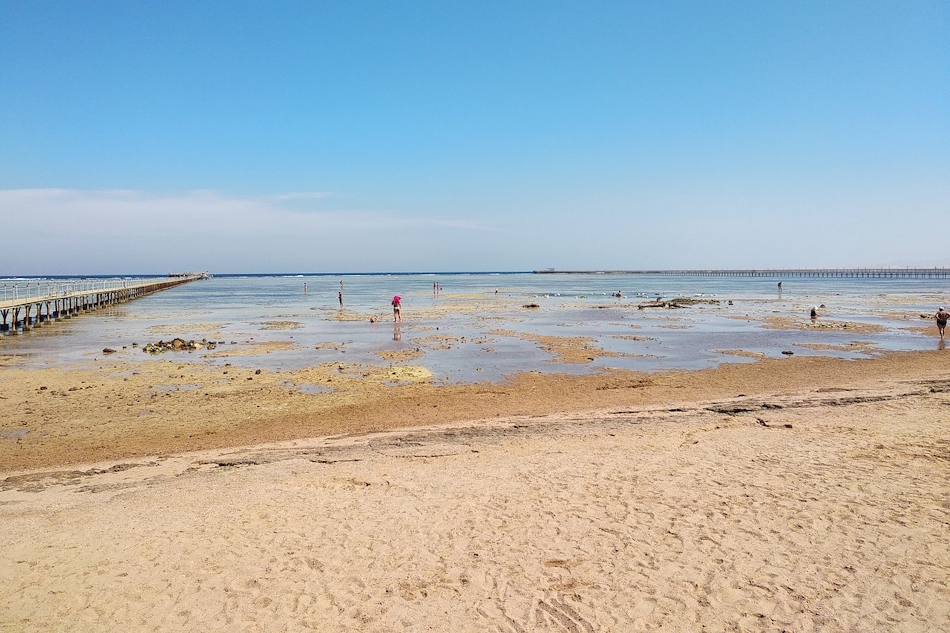
In some places, especially where the coast is shallow, the low tide can cause the water to recede so much that it only reaches your ankles. For tourists who imagine a seaside vacation as endless swimming in azure waters, this can be a disappointment.
2. The coral coast and its impact on swimming
One of the main reasons why the tides in Egypt are so pronounced is the character of the coastline. The Red Sea, which washes the eastern coast of Egypt, is known for its rich coral reefs.
The corals, which have formed here over thousands of years, have created unique coastal strips. Although most beaches are sandy, the seabed near the shore is often covered with coral. This coral belt can be just a few dozen meters wide in some places, but elsewhere it can reach a width of up to half a kilometer. At the same time, this belt is often very shallow, which means that during low tide, the water almost completely disappears from it.
3. When do high and low tides occur?
High and low tides in Egypt, like elsewhere in the world, occur twice a day. The interval between high and low tide is approximately six hours, which means the times of peak high or low tide shift daily. For example, if low tide occurs around noon one day, a few days later it could be early in the morning or late in the evening. It is important to consider this shift when planning activities like swimming or snorkeling.
4. The magnitude of tides in Egypt
Fortunately, the differences in sea level between high and low tide in Egypt are not as dramatic as, for example, in Zanzibar (Tanzania), where the level can drop by up to three meters. In areas like Hurghada and Marsa Alam, this difference is usually a maximum of 0.75 meters. Even so, the shallow coastline means that the low tide is very noticeable in some places and can make swimming completely impossible.
5. Marsa Alam: Places where you can’t swim
In Marsa Alam, one of Egypt’s most popular destinations, the presence of shallow coastal lagoons is common. Hotels like the Royal Tulip Beach Resort or Magic Tulip Beach Resort are known for the water near them being too shallow for swimming during low tide. Guests at these resorts often have to walk along long jetties to reach deeper water. For example, the jetty at the Royal Tulip hotel is up to 670 meters long.
6. Marsa Alam: Places where you can swim
On the other hand, Marsa Alam also offers places where swimming is possible regardless of the tide. Among the best locations is Abu Dabbab Bay, known for its sandy beaches and rich marine life.
Hotels like Malikia Abu Dabbab or Hilton Marsa Alam Nubian Resort offer convenient sea access and excellent snorkeling conditions. Similarly, bays like Marsa Mubarak or Brayka Bay are ideal for tourists looking for hassle-free swimming.
7. Hurghada: Where you can’t swim during low tide
In the Hurghada area, shallow coastal waters are typical, especially in the northern part, between Hurghada and the resort of El Gouna. Hotels like Three Corners Sunny Beach Resort or Hawaii Paradise Aqua Park Resort often have problems with low water levels during low tide.
Similarly, some hotels in the southern part of Hurghada, such as Jaz Aquamarine or Titanic Beach, have shallow sea entrances that can be unsuitable for swimming during low tide.
8. Hurghada: Places to swim without problems
For those looking for hassle-free swimming, it is ideal to choose hotels in locations like Sahl Hasheesh or the northern part of Makadi Bay. Hotels like Fort Arabesque Resort or Sunrise Royal Makadi offer sandy beaches and convenient sea access that is not affected by the tide.
Conclusion
The tides in Egypt are a natural phenomenon that can affect your vacation experience. Therefore, it is important to consider the nature of the coastline and swimming conditions when choosing a hotel.
If you are planning your vacation in Egypt, we recommend choosing hotels in bays or with direct access to deeper water. This way, you can be sure to enjoy the beauties of the Red Sea regardless of the high and low tides.