


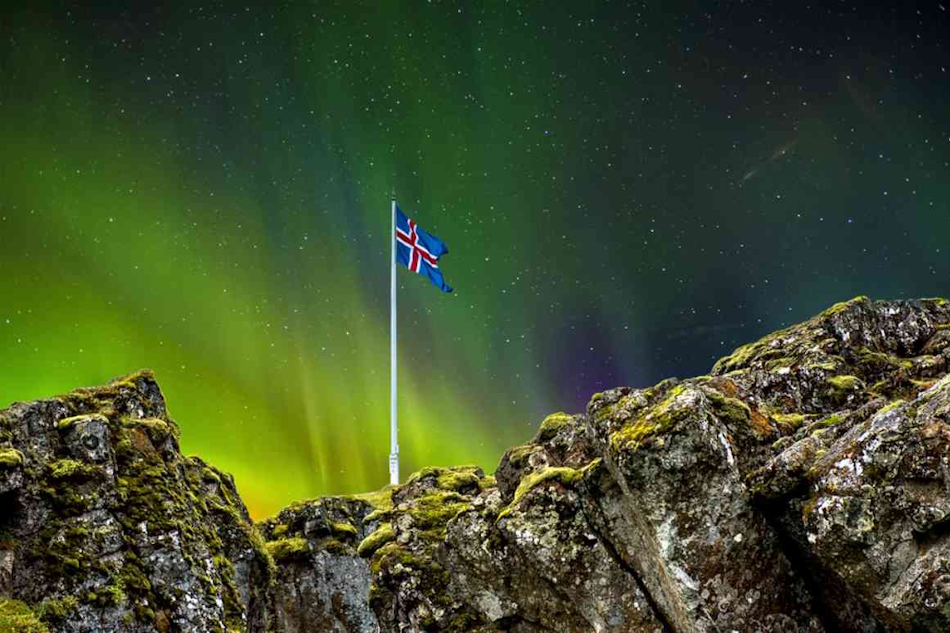
Iceland, known as the “Land of Fire and Ice,” is one of the most fascinating destinations in the world.
The island nation offers a unique combination of dramatic natural landscapes, geothermal springs, glaciers, volcanoes, and waterfalls. If you are planning a trip to Iceland, prepare for an adventure that will take you to a world where nature reveals itself in its wildest and most beautiful form.
1. Reykjavík – A capital full of culture and history
Reykjavík, the world’s northernmost capital, is the perfect starting point for your journey through Iceland. The city is known for its vibrant culture, colorful houses, and rich history. Despite its small size, it offers a wealth of attractions worth visiting.
What to visit in Reykjavík:
- Hallgrímskirkja: This iconic church is one of the most famous buildings in Iceland. Its unique architecture resembles the basalt columns typical of the Icelandic landscape. The church tower offers a magnificent view of the entire city and surrounding mountains.
- Harpa: A modern concert hall and conference center with a stunning glass facade that reflects light and colors. Harpa is not only an architectural gem but also a venue for concerts, theatrical performances, and other cultural events.
- Old Harbour: An ideal place for a walk, where you can enjoy fresh seafood, watch the boats, or go on a whale-watching tour.
- Perlan: An interactive museum with exhibitions on Iceland’s natural phenomena. On the roof, there is a panoramic observation deck offering a 360-degree view of Reykjavík and its surroundings.
2. The Golden Circle
The Golden Circle is one of the most popular tourist routes in Iceland. The route includes three main attractions that combine history, geology, and natural beauty.
- Þingvellir National Park: This site is historically significant because the world’s first parliament, the Alþingi, was founded here in 930. The park is also geologically unique, as it is where the Eurasian and North American tectonic plates meet. Walking between the plates is an unforgettable experience.
- Strokkur Geyser: An active geyser that erupts up to 65 feet (20 meters) high every few minutes. It is a fascinating natural spectacle that you should not miss.
- Gullfoss Waterfall: One of the most beautiful waterfalls in Iceland, known for its power and beauty. The waterfall plunges into a deep canyon, creating a breathtaking sight that will captivate you.
3. The south coast – A land of waterfalls and glaciers
The South Coast of Iceland is full of natural wonders that will enchant you with their diversity. The area is ideal for nature lovers and photographers.
- Seljalandsfoss Waterfall: This unique waterfall is famous because you can walk behind it and admire it from a different perspective. It is one of the most photographed places in Iceland.
- Skógafoss Waterfall: An impressive waterfall that drops from a height of 197 feet (60 meters). In sunny weather, you can often see a rainbow here, which adds to its beauty.
- Reynisfjara black sand beach: A volcanic beach with black sand, basalt columns, and dramatic Atlantic waves. It’s a place that will astound you with its raw beauty.
- Sólheimajökull glacier: An ideal place for glacier hiking or walks with a local guide. The glacier offers a unique insight into the power of nature.
4. The northern lights (Aurora Borealis)
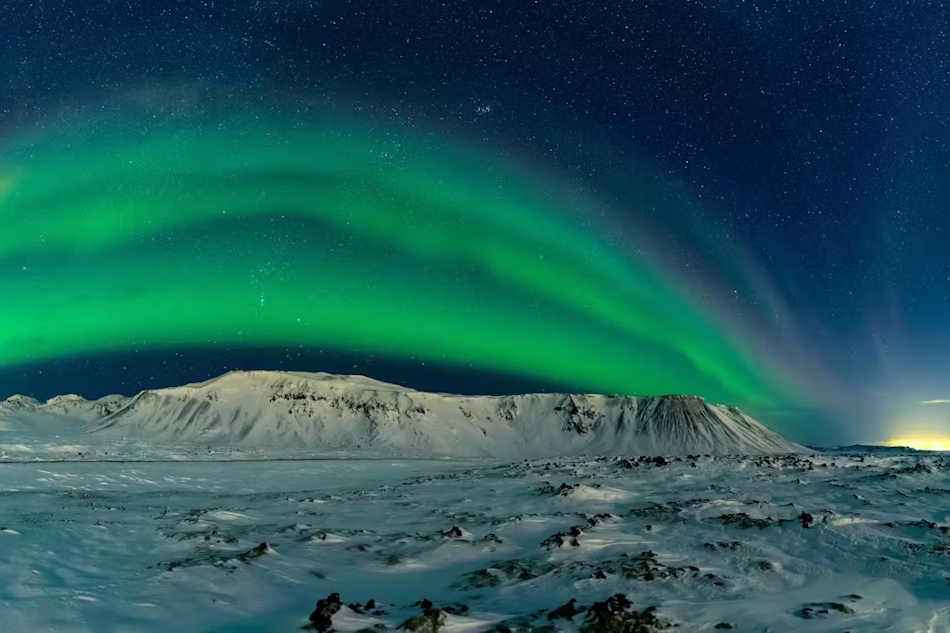
If you visit Iceland during the winter months, be sure not to miss the chance to see the Northern Lights. The best viewing spots are outside of urban areas, where there is minimal light pollution. The Aurora Borealis is one of the most beautiful natural phenomena you can experience in Iceland.
5. The Blue Lagoon
The Blue Lagoon is one of the most famous geothermal spas in the world. It is located near Keflavík Airport, making it an ideal place to relax after arrival or before departure. The mineral-rich thermal water has healing properties and offers a unique experience in a setting surrounded by lava fields.
6. North Iceland – Akureyri and surrounding area
North Iceland is less crowded with tourists but equally fascinating. The area offers a wealth of natural beauty and attractions.
- Akureyri: The second-largest city in Iceland, known for its pleasant atmosphere and beautiful botanical gardens. An ideal place to relax and get to know the local culture.
- Lake Mývatn: An area full of geothermal springs, lava fields, and unique fauna. The lake is a popular spot for bird watching.
- Dettifoss Waterfall: The most powerful waterfall in Europe, which will astound you with its force and energy.
7. The Westfjords – Wild and untouched nature
The Westfjords are one of the most remote parts of Iceland, but they offer beautiful scenery and tranquility. The area is ideal for adventurers and nature lovers.
- Dynjandi: A series of waterfalls that resemble a giant curtain. One of the most beautiful places in the Westfjords.
- Hornstrandir: A nature reserve ideal for hiking and observing Arctic foxes. The area is completely untouched by civilization.
- Patreksfjörður: A picturesque village that is a great starting point for exploring the fjords.
8. Tips and tricks for traveling in Iceland
- Weather: Icelandic weather is unpredictable, so always pack layered clothing and a waterproof jacket.
- Car rental: If you want to explore the island on your own, we recommend renting a car. A 4×4 vehicle is advisable for some areas, like the Westfjords.
- Prices: Iceland is known for its high prices, so plan your budget and consider buying groceries in supermarkets instead of eating out.
- Safety: Iceland is one of the safest countries in the world, but be careful when hiking and exploring nature and respect local rules.
- Season: Summer (June to August) is ideal for hiking and long days, while winter (October to March) is best for viewing the Northern Lights.
Iceland is a destination that offers something for everyone—from nature lovers and adventurers to those seeking peace and relaxation. No matter which part of this magical island you decide to visit, you are sure to take away unforgettable experiences.
National anthem
Lofsöngur
(Hymn of Praise)