


Hungary, our southern neighbor, is a country that offers a fascinating mix of rich history, unique culture, and delicious cuisine.
From the majestic capital of Budapest to picturesque villages and thermal spas, Hungary has something for every traveler. If you are looking for a destination that is close by but still offers a wealth of experiences, Hungary is the right choice.
1. Budapest – The pearl of the Danube
Budapest, the capital of Hungary, is one of the most beautiful cities in Europe. The Danube River divides the city into two parts – Buda and Pest, which are connected by iconic bridges, such as the Chain Bridge.
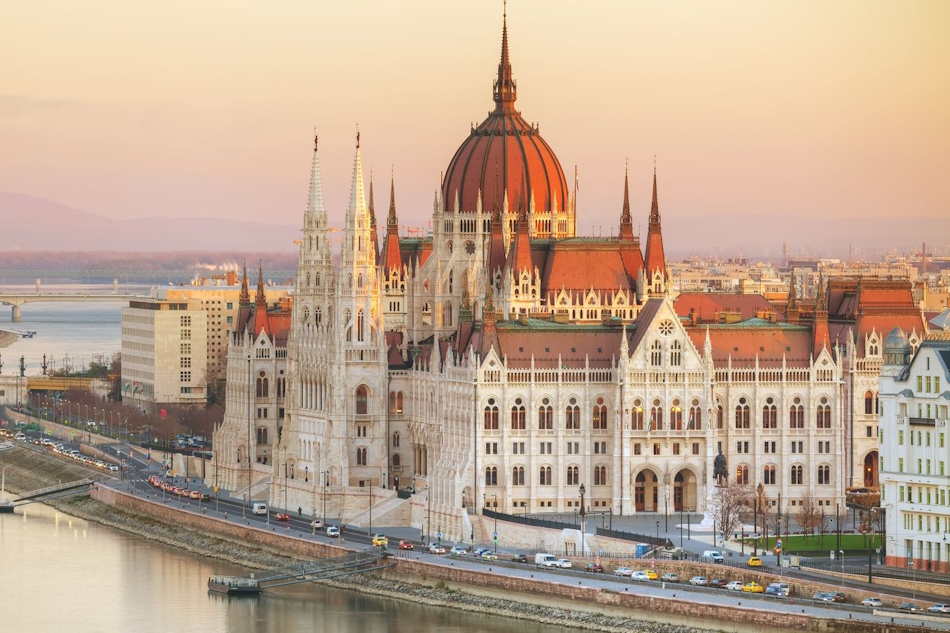
On the Buda side, you will find Buda Castle, Fisherman’s Bastion, and Gellért Hill, from where you have a magnificent view of the entire city. On the Pest side, you can visit the Parliament, the Great Market Hall, and Andrássy Avenue.
Budapest is also known for its thermal baths. If you want to relax, be sure to visit the Szechenyi or Gellért baths, which are not only relaxing but also architecturally beautiful. In the evening, you can enjoy a cruise on the Danube, during which you will see the city illuminated by thousands of lights – it’s an experience you won’t forget.
2. Hungarian gastronomy – A taste that will win you over
Hungarian cuisine is known for its distinct flavors and rich dishes. If you are a food lover, you will certainly be satisfied. Don’t forget to try the traditional Hungarian goulash, which is a symbol of the country. Another popular dish is “halászlé” (fisherman’s soup) or “lángos,” which you can have on the street with garlic, sour cream, and cheese.
Hungary is also famous for its desserts. Try the traditional “kürtőskalács” (chimney cake) or “Dobos torte,” which is a sweet delight. And of course, don’t forget Hungarian wines. Tokaji wine, known as the “wine of kings,” is one of the best sweet wines in the world. If you prefer something stronger, try “pálinka,” a traditional fruit brandy.
3. Balaton – The Hungarian Sea
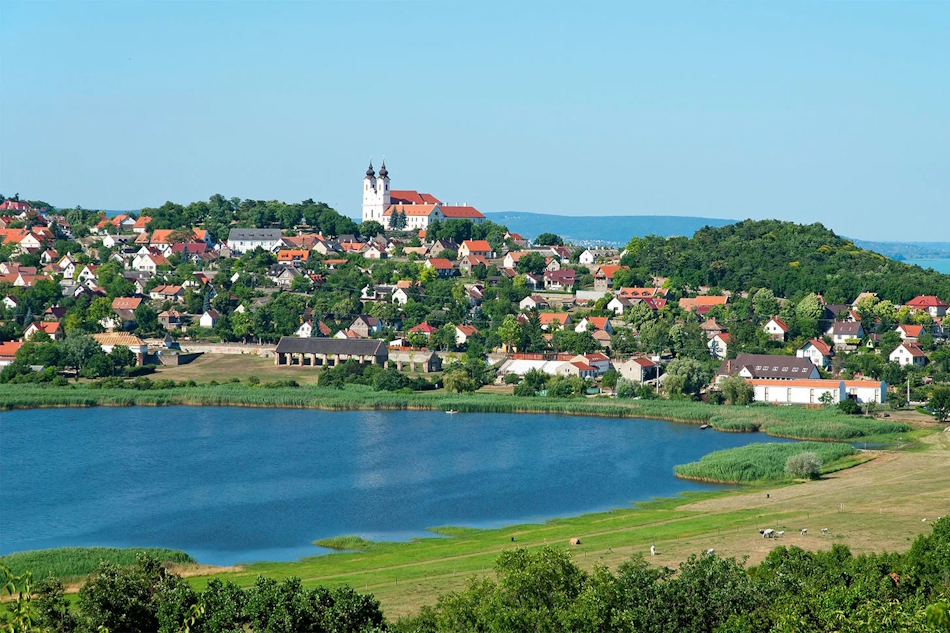
Lake Balaton, the largest lake in Central Europe, is a popular destination for both domestic and foreign tourists. If you are looking for a place to relax by the water, Balaton is an ideal choice. On the northern side of the lake, you will find vineyards and picturesque villages, such as Tihany, where you can visit a Benedictine monastery and taste local wines.
The southern shore of Balaton is known for its sandy beaches and family-friendly atmosphere. If you enjoy water sports, you can try sailing, windsurfing, or paddleboarding. Balaton is also a great place for cycling – a bike path runs around the entire lake, allowing you to discover its beauty up close.
4. Historical cities and monuments
Hungary is full of historical cities worth visiting. Eger, known for its baroque buildings and thermal baths, is one of the most beautiful cities in the country. Don’t forget to visit Eger Castle, where the famous battle against the Turks took place, and taste the local wine, Egri Bikavér (Bull’s Blood).
Another historical city is Pécs, which is known for its Roman monuments and mosques from the Ottoman period. If you like medieval castles, visit Visegrád Castle, which offers a magnificent view of the Danube, or Sümeg Castle, where knight tournaments are regularly held.
5. Thermal baths and wellness
Hungary is famous for its thermal springs and baths. If you want to relax and recharge, be sure to visit some of them. In addition to the already mentioned baths in Budapest, the baths in Hévíz are also popular, where you will find the largest thermal lake in Europe. The water in the lake has healing properties and is ideal for relaxation.
Another great place for relaxation is the Miskolctapolca cave bath. Imagine bathing in warm water surrounded by natural rocks – it’s an experience you won’t find just anywhere.
6. Hungarian nature
Although Hungary is mainly known for its cities and spas, its nature is just as breathtaking. Hortobágy National Park, a UNESCO World Heritage site, is the largest steppe in Europe.
Here you can see traditional Hungarian pastoral animals, such as Hungarian Grey cattle or Racka sheep, and get to know life on the Hungarian Puszta. If you like mountains, visit the Mátra Mountains, where the highest peak in Hungary, Kékes, is located.
It is a great place for hiking and, in winter, for skiing. For cave lovers, there is the Aggtelek Karst, where you will find beautiful underground spaces and stalactites.
7. Festivals and events
Hungary is a country of festivals that allow you to get to know the local culture and traditions. The Sziget Festival in Budapest is one of the largest music festivals in Europe and attracts thousands of visitors from all over the world. If you like wine, visit the Tokaj Wine Festival, where you can taste the best Hungarian wines.
Another interesting event is the Budapest Spring Festival, which offers concerts, theatrical performances, and exhibitions. If you like traditional crafts, visit the Easter Festival in Hollókő, where you can see how traditional Hungarian products are made.
8. Hungarian music and dance
Hungary has a rich musical tradition that includes classical music, folk songs, and gypsy music. If you like classics, be sure to listen to the works of Franz Liszt or Béla Bartók, who are among the most important Hungarian composers.
Folk music and dance are an integral part of Hungarian culture. Visit one of the traditional Hungarian evenings, where you can enjoy live music, dance, and taste local specialties.
9. Hungarian traditions and crafts
Hungary is a country rich in traditions and crafts. If you like handmade products, be sure to visit one of the local markets, where you will find ceramics, embroidery, and wooden products. Traditional Hungarian costumes are beautiful and often decorated with colorful embroidery.
10. Local people and hospitality
Hungarians are known for their hospitality and friendly attitude. If you decide to visit Hungary, you will surely meet kind and helpful people who will be happy to advise and help you. The local culture is full of joy, music, and good food, so you will feel at home here.
Conclusion
Hungary is a country that has something to offer everyone. Whether you are looking for history, relaxation, adventure, or great food, you will find it all in Hungary. This country will enchant you with its beauty, culture, and hospitality. So, when are you setting off on your journey? Hungary is already waiting for you.
Interesting facts
The capital of the country is Budapest. Other major cities with over 100,000 inhabitants are Debrecen, Miskolc, Szeged, Pécs, Győr, Nyíregyháza, Kecskemét, and Székesfehérvár.
Since 1996, the country has been a member of the OECD, in 1999 it joined NATO, and in 2004 the European Union. Together with neighboring countries, it is a member of the so-called Visegrád Group. Hungary is perceived by many as a country of spas, wine, and spicy food.
The modern face of Hungary was formed by a combination of many influences, both from the original homeland of the Magyars in the Urals and various European influences, from western regions, but more from areas to the southeast of the country, especially during the long period when a significant part of Hungary was occupied by the Ottoman Empire.
Perhaps the most typical sign of the origin of Hungarians is their language. Hungarian, which belongs to the Ugro-Finnic language group, is distantly related to several languages spoken in the north and northeast of Europe (Finnish, Estonian, Komi, and others).
The most similar languages have been preserved in remnants in the Khanty-Mansi Autonomous Okrug in western Siberia, Russia. The Hungarians, led by Árpád, arrived in Europe at the end of the 9th century. Since then, Hungarians and their Hungary have been an inseparable part of Europe.
The modern history of Hungary is closely linked with Czech, Slovak, Austrian, and Balkan history. Today’s Hungary is only part of historical Hungary. 72% of the territory of the Kingdom of Hungary was annexed to neighboring states after the First World War as a result of the Treaty of Trianon.
The loss of territories, along with the traditional Hungarian feeling of isolation and exclusivity, to some extent still negatively affects Hungary’s relations with some of its neighbors and resonates in Hungarian domestic politics.
National anthem
Isten, áldd meg a magyart
(God, bless the Hungarian)