


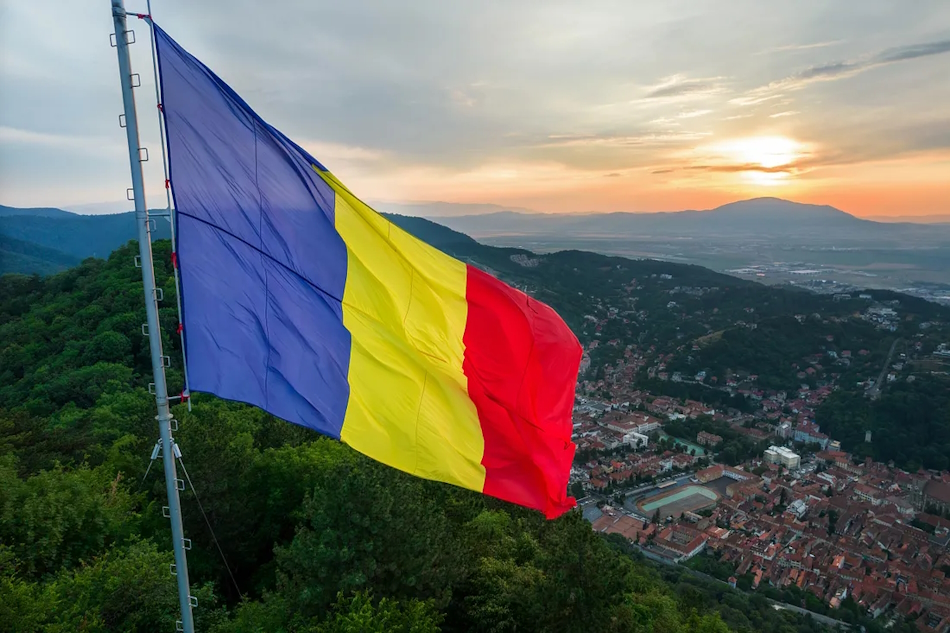
Romania is a country with a rich history and diverse landscape.
Located on the border between Central and Eastern Europe, it is home to a wealth of cultural treasures. From the majestic Carpathian Mountains to the legendary walls of Transylvania.
Romania offers extraordinary experiences for every traveler. In this article, we will dive into some of the most important places you should definitely visit.
1. Bucharest – A vibrant metropolis
Bucharest, the capital of Romania, is a dynamic city full of life, culture, and history. Often referred to as “Little Paris,” this city offers a rich cultural program, including museums, galleries, and an opera house.
A stroll through the historic city center will take you to beautiful Belle Époque mansions that bear witness to the city’s rich cultural heritage. One of Bucharest’s most important landmarks is the Palatul Parlamentului, the second largest building in the world, which was built during the Nicolae Ceaușescu era.
This monumental palace is a symbol of the power and ambition of the former regime and offers a fascinating insight into Romania’s history. In addition, Bucharest is home to many beautiful parks, such as Herăstrău Park, where you can spend pleasant moments in nature.
2. Transylvania – A land full of legends
Transylvania is perhaps best known for its connections to Dracula and Bran Castle, which is often associated with this legendary count. Bran Castle, also known as Dracula’s Castle, is one of the most visited tourist attractions in Romania.
This medieval castle offers breathtaking views of the surrounding countryside and is surrounded by mysterious legends and stories. In addition to Bran Castle, you can also visit many other castles and fortresses, such as Corvinilor Castle in Hunedoara or the medieval Peleș Castle.
Corvinilor Castle, one of the largest and most impressive castles in Europe, is a true architectural gem. Peleș Castle, located in the picturesque town of Sinaia, is considered one of the most beautiful castles in Europe and offers magnificent interiors and a rich history.
Transylvania is also home to picturesque medieval towns such as Sighișoara, Brașov, and Sibiu, which are ideal for exploring on foot. Sighișoara, the birthplace of Vlad Tepes, known as Dracula, is one of the best-preserved medieval towns in Europe and is listed as a UNESCO World Heritage Site.
Brașov, surrounded by the Carpathian Mountains, offers a beautiful historic center and many tourist attractions. Sibiu, which was the European Capital of Culture in 2007, is known for its rich history and cultural heritage.
3. Maramureș – Preserved cultural heritage
The Maramureș region in northern Romania is known for its preserved rural life and wooden churches, which are listed as UNESCO World Heritage Sites. This area offers an escape into the world of traditional Romanian customs, crafts, and folklore.
The wooden churches of Maramureș, with their unique architecture and rich interiors, are true gems of Romanian cultural heritage. Don’t forget to visit the Merry Cemetery in Săpânța, famous for its colorful and cheerful gravestones that celebrate life.
This unique cemetery is a true work of art and offers a fascinating insight into local traditions and culture. Maramureș is also known for its traditional wooden houses and craft markets, where you can buy handmade souvenirs and traditional products.
4. Danube Delta – A paradise for nature lovers
The Danube Delta, the largest river delta in Europe, is a UNESCO Biosphere Reserve and a paradise for nature lovers. It offers breathtaking scenery, rich fauna and flora, and is an ideal place for bird watching.
The Danube Delta is home to more than 300 species of birds and many other animals, making it one of the most important sites for biodiversity in Europe. Take a boat trip along one of the many canals and discover the hidden treasures of this unique ecosystem.
You can go on fishing trips, bird watching or simply relax and enjoy the beauty of nature. The Danube Delta also offers a number of hiking and cycling trails that lead through beautiful natural scenery.
5. Carpathian Mountains – Adventure awaits
The Carpathian Mountains offer countless opportunities for hiking, cycling, and winter sports. Whether you prefer a leisurely stroll or the challenges of high-altitude hiking, the Carpathians offer varying degrees of difficulty and beautiful views of the countryside.
The Carpathian Mountains are home to a number of national parks and protected areas that offer beautiful natural scenery and rich biodiversity. Don’t forget to visit Piatra Craiului National Park or the Bucegi area, where you will find impressive rock formations.
Piatra Craiului National Park is known for its steep limestone ridges and rich fauna and flora. The Bucegi area offers beautiful hiking trails that lead through picturesque mountain scenery and provide breathtaking views of the surrounding countryside.
6. Moldova – Land of monasteries and vineyards
Moldavia, a historical region in eastern Romania (not to be confused with the neighboring country of Moldova; Moldova is a region in present-day Romania, corresponding to the western part of the historical territory of the Moldavian Principality, ed.), is known for its monasteries and vineyards.
Monasteries such as Voroneț are famous for their beautiful frescoes and rich history. This monastery, often called the “Sistine Chapel of the East,” is one of the most beautiful monasteries in Romania and is listed as a UNESCO World Heritage Site.
The region is also known for its vineyards and wine production. Visit some of the local wineries and taste traditional Romanian wines, which are renowned for their quality and unique taste. The region also offers a number of hiking and cycling trails that lead through beautiful natural scenery and provide breathtaking views of the surrounding countryside.
7. Banat – A land of cultural diversity
Banat, a region in western Romania, is known for its cultural diversity and rich history. This region is home to a number of ethnic groups, including Romanians, Hungarians, Serbs, and Germans, creating a unique cultural mosaic.
Banat is known for its historic cities, such as Timișoara, which offer a rich cultural heritage and beautiful architecture. Timișoara, the capital of Banat, is known for its beautiful squares, historic buildings, and rich cultural life.
The city offers a number of museums, galleries, and theaters where you can experience authentic Romanian culture. Banat is also known for its natural beauty, including the Domogled-Valea Cernei National Park, which offers beautiful hiking trails and rich biodiversity.
8. Bukovina – Land of Painted Monasteries
Bukovina, a region in northeastern Romania, is known for its painted monasteries, which are listed as UNESCO World Heritage Sites. These monasteries, such as Sucevița Monastery and Moldovița Monastery, are famous for the beautiful frescoes that adorn their walls and ceilings.
The frescoes depict biblical stories and scenes from history, making these monasteries true works of art. Bukovina is also known for its traditional crafts and folklore.
Visit local markets and craft workshops where you can buy handmade souvenirs and traditional products. Bukovina also offers a number of hiking and cycling trails that lead through beautiful natural scenery and provide breathtaking views of the surrounding countryside.
9. Dobruja – The land between the Danube and the Black Sea
Dobruja, a region in southeastern Romania, is known for its rich history and natural beauty. Located between the Danube and the Black Sea, this region offers beautiful beaches, historical monuments, and rich biodiversity.
Visit the city of Constanța, which is the largest port in Romania and offers many historical monuments, such as the Roman Mosaic Museum and the Ovid Monument.
Dobruja is also known for its nature reserves, such as the Măcin Mountains National Park, which offers beautiful hiking trails and rich fauna and flora. This region is an ideal destination for nature lovers and adventure seekers looking to escape to nature and discover hidden treasures.
10. Oltenia – Land of monasteries and natural beauty
Oltenia, a region in southwestern Romania, is known for its monasteries and natural beauty. This region offers a wealth of historical monuments, such as the Horezu Monastery, which is listed as a UNESCO World Heritage Site.
Horezu Monastery is famous for its beautiful architecture and rich frescoes that adorn its walls and ceilings. Oltenia is also known for its natural beauty, including Cozia National Park, which offers beautiful hiking trails and rich fauna and flora. This region is an ideal place for nature lovers and adventure seekers looking to escape into nature and discover hidden treasures.
Conclusion
Romania may not be at the top of most tourist brochures, but it offers authentic experiences, a rich history, and beautiful nature. Whether you love history, nature, or simply want to discover lesser-known destinations, Romania will enchant you with its uniqueness and hospitality.
From the majestic Carpathian Mountains to the legendary walls of Transylvania, Romania offers extraordinary experiences for every traveler. This country is a real treasure waiting to be discovered.
From the majestic Carpathian Mountains to the legendary walls of Transylvania, Romania offers extraordinary experiences for every traveler. In this article, we will dive into some of the most important places you should definitely visit.
Interesting facts
Approximately two-thirds of the country is covered by mountains and hills, and about one-third is lowlands. The Carpathian Mountains dominate the center of the country, reaching heights of over 2,000 m at their highest points. They are divided into three parts – the Eastern, Southern (known as the Transylvanian Alps) and Western Romanian Carpathians.
The Eastern Carpathians are covered with forests and are rich in precious metals and mineral springs. The coastline is 225 km long. The largest river in Romania, the Danube, runs along the entire southern border with Bulgaria. The border with Moldova is formed by the Prut River, which flows into the Danube.
The Danube is over 1,000 km long in Romania, which is about one third of its entire length. It forms the border with Serbia and Bulgaria and, at its mouth, with Ukraine. There are several important islands on the Danube (the island near the city of Brăila, over 700 km²).
During the communist regime, there were several forced labor camps here, and prisoners participated in the drainage of the marshes. The Danube Delta covers an area of approximately 3,500 km² and is a UNESCO World Heritage Site. The gateway to the delta is the city of Tulcea.
Romania is a parliamentary democracy with a semi-presidential system of government, i.e., executive power is divided between the president and the prime minister. The president is elected in general elections. The legislative body (in Romanian: Parlamentul) consists of two chambers.
National anthem
Deșteaptă-te, române!
(Awaken, Romanians!)