

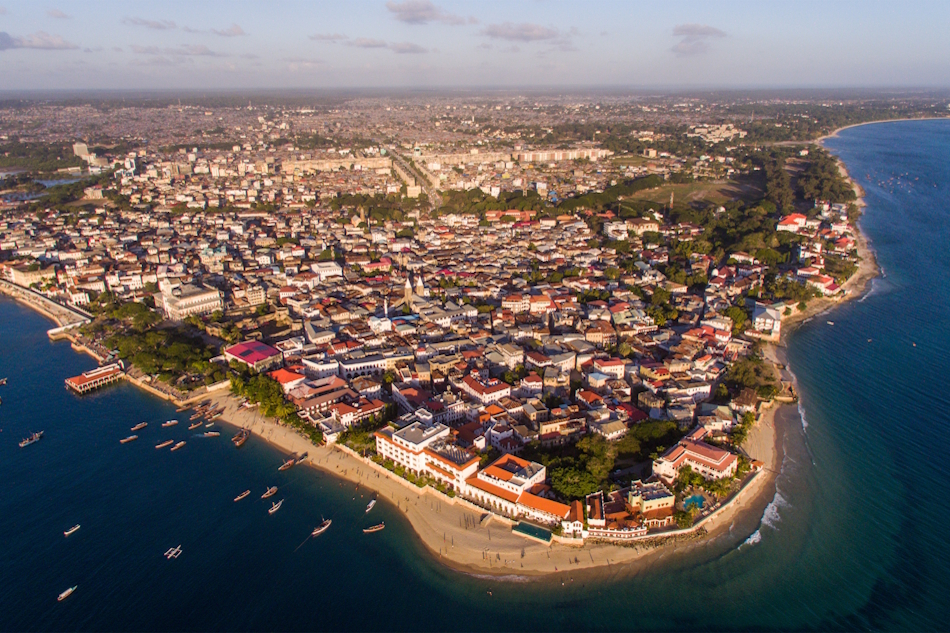
Zanzibar is famous for its beautiful white sandy beaches.
But this legendary Spice Island is where continents and cultures collide in a symphony of sensory delights. It’s an exotic tapestry woven from the threads of Africa, Arabia, India, and Europe—a blend so rich you can taste it in the food, see it in the architecture, and feel it in the warm, fragrant sea breeze.
This island sanctuary, floating in the turquoise waters of the Indian Ocean, offers far more than just pristine beaches; it offers a journey into a unique cultural crossroads, a place where history is alive and palpable.
The very name evokes images of ancient dhows sailing into bustling ports, of hidden alleys filled with the aroma of cloves and cinnamon, and of a rhythm of life that moves in harmony with the tides. Let’s explore the most captivating places that form the soul of this unforgettable island.
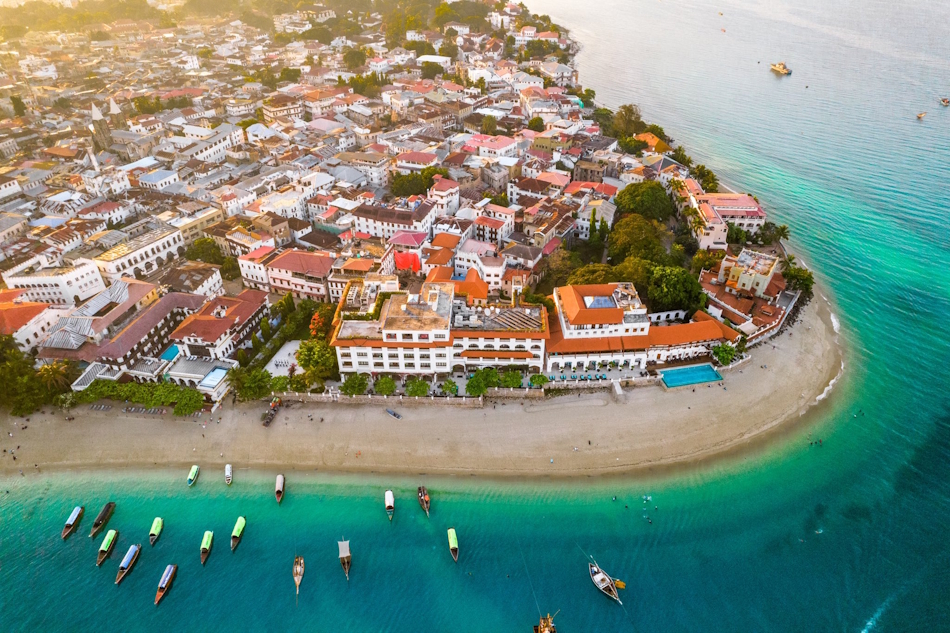
1. Stone Town – The labyrinthine heart of history
Getting lost in Stone Town, the ancient heart of Zanzibar and a UNESCO World Heritage site, is a journey back in time. Its labyrinthine alleys, too narrow for cars, are a living museum.
Here, intricately carved wooden doors, adorned with brass studs in a tradition brought from India, tell the story of the families who lived behind them. The air is thick with the scent of spices from bustling bazaars and the sound of the call to prayer from historic mosques.
The echoes of a complex and often somber history are everywhere, from the solemn site of the former slave market, now home to an Anglican cathedral with a poignant memorial, to the grand Sultan’s Palace (Beit al-Sahel), which offers a glimpse into the opulent and tumultuous lives of Zanzibar’s past rulers.
For a touch of modern history, you can stop by the unassuming house where Freddie Mercury, the legendary frontman of Queen, was born, a small tribute to the island’s most famous son.
Key experiences:
- Forodhani Gardens Night Market: As the sun sets, this seaside park transforms into a bustling open-air food market. It’s a sensory overload in the best way possible. Dozens of vendors grill fresh seafood, from octopus tentacles to giant prawns, over charcoal fires. The star of the show is the Zanzibar Pizza, a savory crepe-like pancake filled with minced meat, egg, and vegetables, cooked to perfection on a hot plate.
- A Guided Historical Tour: To truly understand the complex layers of Stone Town, hire a local guide. They will not only navigate you through the maze-like streets but also bring the history to life, explaining the significance of the architecture and sharing stories of the sultans, slaves, and explorers who walked these same streets.
- Sunset at a Rooftop Bar: Experience the magic of a Stone Town sunset from above. Find a rooftop bar, like the one at the Emerson on Hurumzi hotel, order a cocktail, and watch as the sun dips below the Indian Ocean, casting a golden glow over the city’s rooftops as the dhows sail by.
Practical tips:
It’s almost a guarantee you will get lost in Stone Town, so embrace it as part of the experience. However, a guide is highly recommended for your first visit.
Zanzibar is a predominantly Muslim region; while it’s fine to wear swimwear at resorts, it’s essential to dress modestly (covering shoulders and knees) out of respect when exploring Stone Town.
2. Nungwi and Kendwa – Postcard-perfect beaches
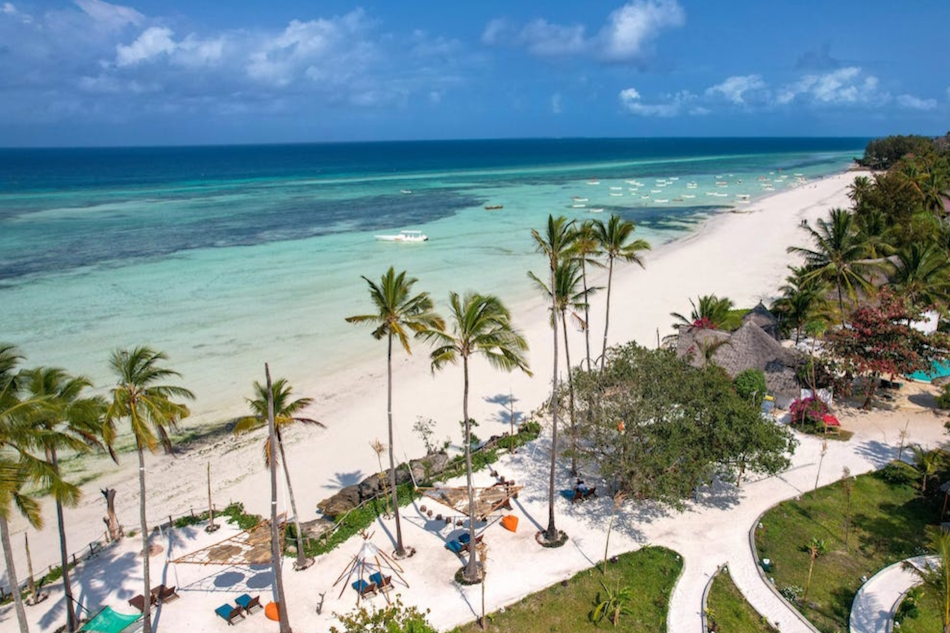
On the island’s northernmost tip lie Nungwi and Kendwa, beaches that seem to defy the very concept of a postcard. Imagine sinking your feet into powder-soft, brilliant white sand as the turquoise waters of the Indian Ocean gently lap the shore.
Nungwi, once a quiet dhow-building village, is now a vibrant hub known for its lively atmosphere. Here, you can visit the Mnarani Marine Turtle Conservation Pond, a community-based project where you can see rescued green and hawksbill turtles.
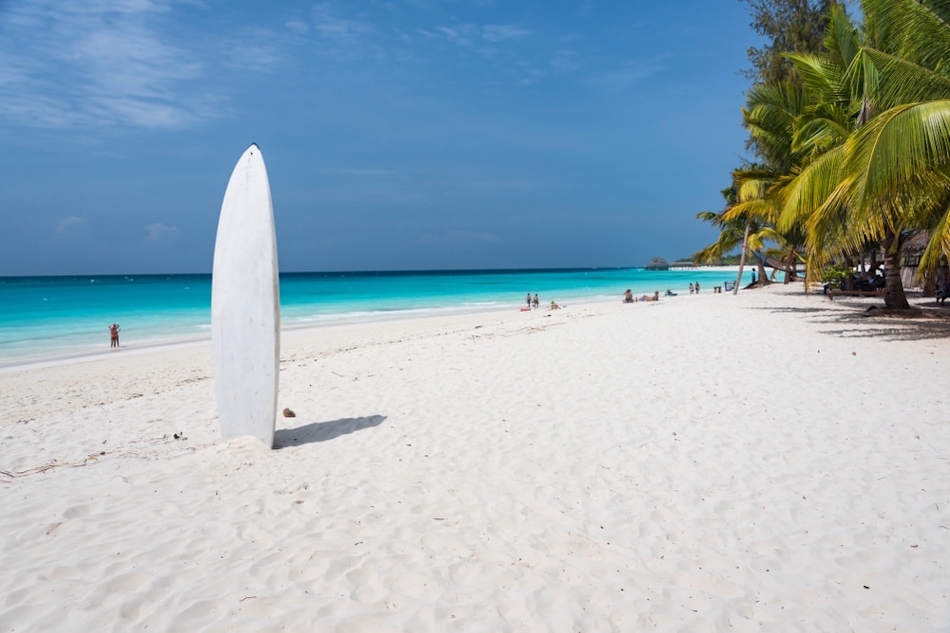
As evening approaches, the horizon fills with the silhouettes of traditional dhows setting out for their sunset cruises—a truly magical experience. Kendwa, just a short walk or boat ride away, offers a more serene and expansive stretch of sand, famous for its spectacular sunsets that paint the sky in fiery hues of orange and pink.
It’s the perfect setting for absolute relaxation or engaging in a variety of water sports in the calm, crystalline waters.
Key experiences:
- Dhow Sunset Cruise: Experience the timeless beauty of a traditional wooden dhow sailing along the coast as the sun sets. It’s a peaceful, romantic, and quintessentially Zanzibari experience, often accompanied by local musicians.
- Visit a Dhow-Building Yard: In Nungwi, you can still see local craftsmen building the traditional dhows by hand, using age-old techniques passed down through generations. It’s a fascinating glimpse into the island’s maritime heritage.
- Snorkeling at Kendwa Reef: The waters off Kendwa are calm and clear, making it a great spot for snorkeling. You can easily rent gear from one of the local dive shops and explore the nearby coral reefs teeming with colorful fish.

Practical tips:
The northern beaches are less affected by the dramatic tides found elsewhere on the island, meaning you can swim comfortably all day long. Nungwi is more developed with a wider range of restaurants and bars, while Kendwa is quieter, except during its famous monthly full moon party.
3. Jozani Forest – Sanctuary of the red colobus
Step into the lush, green sanctuary of Jozani Forest, the last remaining indigenous forest on the island and the heart of the Jozani Chwaka Bay National Park. It is here that you can come face-to-face with the rare and exceptionally charming Red Colobus monkeys, a species found nowhere else on Earth.
These playful primates are habituated to humans, allowing for incredible up-close encounters as they leap through the canopy above, their distinctive white manes a striking contrast to the emerald leaves.
An elevated wooden boardwalk takes you on a fascinating journey deep into the otherworldly mangrove forest, a vital coastal ecosystem where tangled roots rise from the salty water, offering a unique perspective on this protected natural wonder.

Key experiences:
- A Guided Forest Walk: A local guide is essential to get the most out of your visit. They have an incredible eye for spotting not only the Red Colobus but also other forest inhabitants, and they will explain the rich biodiversity of the park.
- Walk the Mangrove Boardwalk: The second part of the tour takes you on a well-maintained boardwalk through the dense mangrove forest. It’s a fascinating and educational experience to learn how this unique ecosystem thrives in the salty tidal waters.
Practical tips:
The monkeys are wild animals, so avoid feeding them or getting too close. The forest is humid, so wear light clothing and comfortable, closed-toe shoes. Insect repellent is also a good idea. The best time to visit is in the morning when the monkeys are most active.
4. Spice Farms – An aromatic journey
Zanzibar earned its name as the ‘Spice Island’ for a reason, and no visit is complete without an intoxicating tour of a local spice farm. This is not just a tour; it’s a sensory immersion.
Your guide will have you touch, smell, and taste an incredible variety of spices and tropical fruits directly from the source. Discover fresh cloves (the island’s most famous export), see how vanilla beans grow on vines, and learn the difference between various types of cinnamon.
You’ll also learn about their medicinal properties and watch as local guides weave baskets and crowns from palm leaves, offering a fragrant and unforgettable journey into the heart of the island’s agricultural heritage.

Key experiences:
- Spice Tasting: The highlight of the tour is tasting everything. You’ll sample exotic fruits you may have never seen before and smell the potent aroma of freshly picked spices.
- Traditional Lunch: Most spice farm tours conclude with a delicious Swahili lunch, prepared with the very spices you have just learned about. It’s a true farm-to-table experience.
Practical tips:
Wear a hat and sunscreen as much of the tour is outdoors. It’s a good idea to bring some cash, as you’ll have the opportunity to buy fresh, high-quality spices to take home with you at a fraction of the price you’d pay elsewhere.
5. Mnemba Island – An underwater paradise
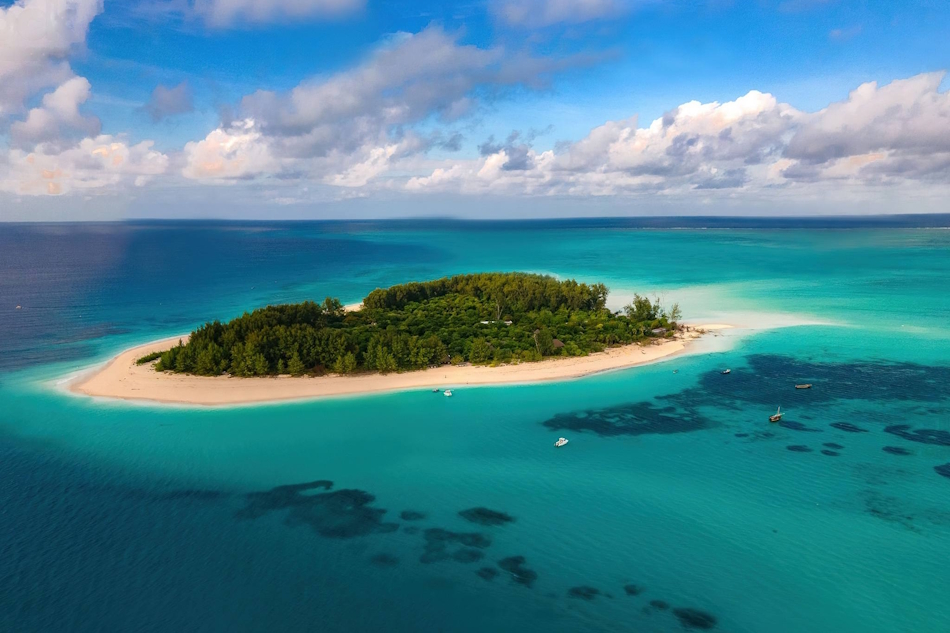
For underwater explorers, Mnemba Island is a pilgrimage site. This private atoll, located off the northeast coast, is a protected marine reserve, offering some of the most pristine coral reefs in East Africa.
The conditions are perfect for both snorkeling and diving, with exceptional visibility. Glide through crystal-clear waters alongside pods of dolphins, graceful sea turtles, and vast schools of colorful tropical fish. The vibrant coral gardens are teeming with life, making it an essential experience for anyone passionate about the marine world.
Key experiences:
- Snorkeling and Diving: Whether you are a beginner or an experienced diver, the underwater world of Mnemba will leave you breathless. The sheer density and variety of marine life are astounding.
- Dolphin Spotting: The waters around Mnemba are a common feeding ground for bottlenose and spinner dolphins, and it’s very likely you will encounter them on your boat trip to the atoll.
Practical tips:
Mnemba is a private island (home to an ultra-exclusive resort), so you cannot land on the island itself. All tours are boat-based and focus on the surrounding reef. Book your tour with a reputable dive center to ensure safety and respect for the marine environment.
Practical tips for your journey
Best Time to Visit: The best time to visit Zanzibar is during its two dry seasons: from June to October and from December to February. These periods offer sunny skies and pleasant temperatures, ideal for beach activities and exploring.
Getting There and Around: Zanzibar’s Abeid Amani Karume International Airport (ZNZ) has connections to major hubs in the Middle East and Europe. Taxis are the most common way to get around the island, but be sure to agree on a price before you start your journey. For more flexibility, you can hire a private driver for a day.
Cuisine to Try: Zanzibar’s cuisine is a delicious fusion of its diverse cultural influences. Be sure to try the Zanzibar Pizza, fresh grilled seafood at the Forodhani Gardens night market in Stone Town, and dishes infused with local spices, such as Pilau rice. The island is also famous for its incredible variety of fresh tropical fruits.
Cultural Etiquette: Zanzibar is a predominantly Muslim region. While it is acceptable to wear swimwear on the beaches of tourist resorts, it is important to dress modestly when visiting Stone Town and local villages. Shoulders and knees should be covered as a sign of respect for the local culture. Always ask for permission before taking photographs of people.
Health and Safety: Consult your doctor about necessary vaccinations and malaria prophylaxis before your trip. It is recommended to drink only bottled water. The local currency is the Tanzanian Shilling (TZS), but US Dollars are widely accepted in tourist areas.
Conclusion
Zanzibar is a destination that stays with you. It’s more than just idyllic beaches; it’s an island where history whispers on the warm sea breeze and every corner reveals a new, vibrant layer of culture.
It’s a place that truly enchants the soul, leaving you with memories that last a lifetime and the gentle reminder of “Hakuna Matata” – no worries, just the blissful rhythm of island life.