
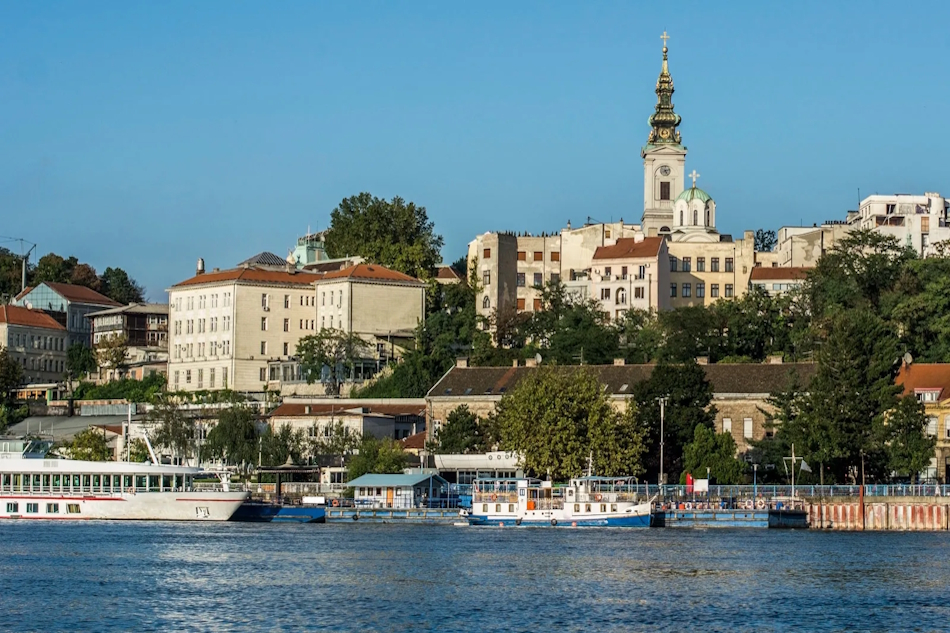
Serbia is one of the most interesting and diverse destinations in Europe.
Although often overlooked in favor of more well-known countries, Serbia offers a rich history, beautiful nature, vibrant culture, and hospitable people. If you’re looking for a place where you can discover something new, experience an authentic atmosphere, and see unique sights, Serbia is the right choice.
1. Belgrade – A capital city full of life
Belgrade, the capital of Serbia, is one of the oldest cities in Europe and also one of the liveliest. Located at the confluence of the Danube and Sava rivers, this city offers a combination of history, modern architecture, and a vibrant nightlife.
- Kalemegdan Fortress: A historic fortress located on a hill overlooking the confluence of the rivers. Kalemegdan is not only a historical site but also a popular park where you can relax and enjoy the spectacular views.
- Knez Mihailova Street: The main pedestrian and shopping street in Belgrade. Here you will find a variety of shops, cafes, and restaurants where you can enjoy local specialties.
- Skadarlija: An ancient bohemian quarter, famous for its traditional restaurants, live music, and unique atmosphere. If you want to experience true Serbian culture, Skadarlija is the place to visit.
- Saint Sava Temple: One of the largest Orthodox churches in the world. This imposing temple is a symbol of Belgrade and offers beautiful architecture and a spiritual atmosphere.
2. Novi Sad – The cultural center of Serbia
Novi Sad, Serbia’s second-largest city, is famous for its culture, festivals, and beautiful historic center. Located on the banks of the Danube, it is an ideal place to relax and explore.
- Petrovaradin Fortress: This imposing fortress, also known as the “Gibraltar on the Danube,” offers stunning views of the city and the river. Every year, the famous Exit music festival is held here, attracting thousands of visitors from all over the world.
- Danube Park: A peaceful place in the city center where you can relax and enjoy nature.
- Historic Center: Stroll through the streets lined with Baroque buildings, cafes, and shops. Don’t forget to visit St. George’s Cathedral and the Synagogue, both important landmarks of the city.
3. Niš – A gateway between East and West
Niš, one of the oldest cities in the Balkans, is known for its rich history and strategic location. This city was an important point on the Roman road Via Militaris and is the birthplace of Emperor Constantine the Great.
- Niš Fortress: A historic fortress located in the city center. It is surrounded by a park and offers magnificent views of the city.
- Skull Tower (Ćele Kula): A unique and somewhat terrifying monument commemorating the Serbian struggle against the Ottoman Empire. The tower is built from the skulls of Serbian rebels and is a symbol of courage and resistance.
- Mediana: An archaeological site where you can see the remains of a luxurious Roman villa from the time of Constantine the Great.

4. Natural beauty of Serbia
Serbia is a country with beautiful nature that offers many opportunities for hiking, relaxation, and adventure.
- Tara National Park: This park is famous for its dense forests, canyons, and rivers. It is an ideal place for hiking, cycling, and wildlife watching.
- Uvac River Canyon: One of the most beautiful places in Serbia. The canyon is famous for its meanders and is home to the rare griffon vulture. You can enjoy a boat cruise or a hike here with spectacular views.
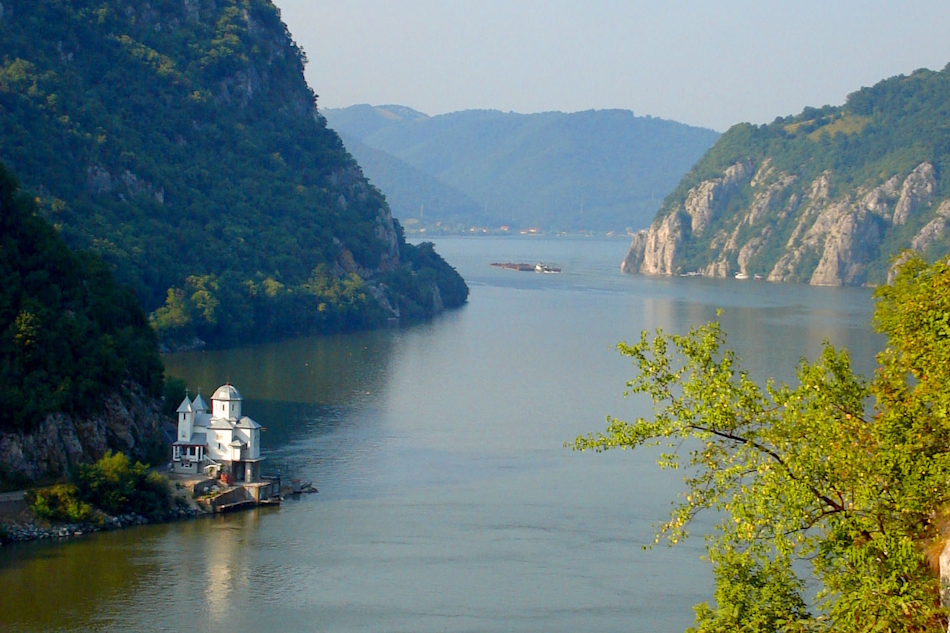
- Đerdap Gorge (Iron Gate): This gorge on the border with Romania is one of the largest river gorges in Europe. It offers breathtaking views and many historical monuments, such as Trajan’s Tablet.
- Kopaonik Mountain: The largest ski resort in Serbia, which is popular not only in winter but also in summer. It offers many hiking trails, thermal springs, and beautiful nature.
5. Historical and cultural monuments
Serbia is a country with a rich history, which can be explored through a number of monuments and archaeological sites.
- Lepenski Vir: One of the most important archaeological sites in Europe, where you can see the remains of a Mesolithic settlement.
- Studenica Monastery: One of the most important Orthodox monasteries in Serbia, which is a UNESCO World Heritage site. The monastery is famous for its beautiful architecture and frescoes.
- Gamzigrad (Felix Romuliana): An archaeological site that was once the palace of the Roman emperor Galerius. It is a UNESCO World Heritage site and offers a glimpse of life in the Roman Empire.
6. Traditional Serbian cuisine
Serbia is a food lover’s paradise. The local cuisine is rich in flavors and aromas that are sure to enchant you.
- Ćevapi: Traditional grilled meat rolls served with flatbread (lepinja), onions, and kajmak.
- Pljeskavica: A Serbian version of a hamburger that is packed with flavor and often served with various sauces and side dishes.
- Sarma: Cabbage leaves stuffed with meat and rice that are a popular dish during the holidays.
- Ajvar: A traditional pepper spread that is served as a side dish with meat or bread.
- Rakija: A traditional Serbian fruit brandy that is an integral part of the local culture.
7. Festivals and events
Serbia is a country of festivals that allow you to get to know the local culture and traditions.
- Exit Festival: One of the largest music festivals in Europe, held at the Petrovaradin Fortress in Novi Sad.
- Guča Trumpet Festival: A traditional brass music festival that attracts thousands of visitors from all over the world.
- Kustendorf Film and Music Festival: A film festival organized by the famous director Emir Kusturica in the village of Drvengrad.
8. Local people and hospitality
Serbs are known for their hospitality and friendly attitude. During your trip, you are sure to meet kind and helpful people who will be happy to advise and assist you. The local culture is full of joy, music, and good food, so you’ll feel right at home.
Conclusion
Serbia is a unique destination that offers you beautiful nature, rich history, amazing food, and unforgettable experiences. Whether you’re looking for adventure, relaxation, or exploring a new culture, Serbia has it all.

Interesting facts
The capital, Belgrade, with a population of around 1.75 million, is a major transport hub located at the confluence of the Sava and Danube rivers. The emergence of an independent Serbia was preceded by the break-up of Yugoslavia in 1991 and the secession of Montenegro on June 3, 2006.
Serbia does not recognize the independence of Kosovo, which it considers the province of Kosovo and Metohija. “Kosovo is Serbia” is the main slogan of the protests against Kosovo’s independence.
Serbia is currently a candidate country for membership in the European Union. The Slavs (Serbs) settled on the territory of today’s Serbia during the 6th century. At that time, the territory was under the strong influence of the Eastern Roman Empire, and so Orthodoxy took root.
In the middle of the 10th century, the first kingdom was established in Raška, ruled by Časlav Klonimirović. During the reign of Tsar Stefan Dušan (1331–1355), most of the Balkans were ruled by Serbia.
After the Battle of Kosovo in 1389, Serbia, along with other Balkan states, gradually came under the rule of the Ottoman Empire. After numerous uprisings, Serbia gained independence in 1878 (the city of Belgrade and its surroundings as early as 1867).
In 1912, Serbia took part in the First Balkan War together with Montenegro, Bulgaria, and Greece against the Ottoman Empire. The Serbian 1st Army under Prince Alexander was victorious over the Turkish army at the Battle of Kumanovo, and Serbia achieved the expansion of its territory to include most of Kosovo and part of Macedonia.
In 1914, in Sarajevo, young Serbian patriots assassinated Franz Ferdinand d’Este, and after an ultimatum expired on July 28, Austria-Hungary declared war on Serbia. During the war, the territory was occupied and the Serbian part of Macedonia was annexed to Bulgaria.
From 1945, Serbia was part of Yugoslavia, led by President Josip Broz-Tito. SFR Yugoslavia was the leading state of the so-called Non-Aligned Movement (alongside India). After the death of Marshal Tito, no one could contain the many conflicting interests of nations and nationalities, and the sad nineties of fighting set in.
National anthem
Боже правде
Bože pravde
(God of Justice)