

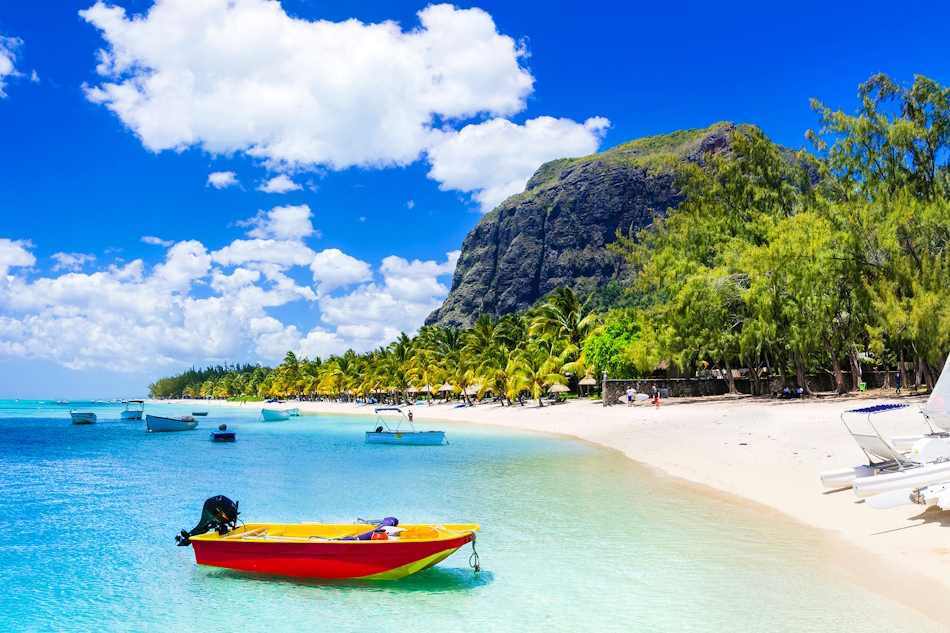
Mauritius is a paradise for lovers of nature, culture, and luxurious relaxation.
A tropical paradise in the Indian Ocean, it is a place where natural beauty, rich history, and cultural diversity meet. With breathtaking beaches and fascinating historical monuments.
At the same time, a place with a diverse mix of cultures offers an unforgettable travel experience. Let’s discover together what this island has to offer.
1. Port Louis – A colorful capital city
Port Louis, the capital of Mauritius, is the vibrant center of the island, where history, culture, and modern bustle intertwine. This city is full of contrasts – from historic buildings to modern shopping centers.
If you decide to visit Port Louis, be sure not to miss the Caudan Waterfront, a popular place for shopping, dining, and relaxing by the water. This place offers not only modern shops but also traditional crafts that you can take home as a souvenir.
Another interesting stop is the Mauritius Institute, which houses a fascinating natural history museum. Here you can see unique exhibits, including the skeleton of the now-extinct dodo bird, which is a symbol of the island.
If you like an authentic atmosphere, be sure to visit the local markets, where you will find fresh tropical fruits, spices, and traditional Mauritian dishes.
2. Pamplemousses Botanical Garden – A botanical garden with historical significance
The Pamplemousses Botanical Garden, officially known as the Sir Seewoosagur Ramgoolam Botanical Garden, is one of the oldest botanical gardens in the world.
This garden is a true paradise for flora lovers. You will find giant Victoria Amazonica water lilies here, which are one of the main attractions of the garden. Their huge leaves can support a small child, which is fascinating to see with your own eyes.
In addition to water lilies, you can also admire rare species of palm trees, including the legendary Talipot palm, which blooms only once every 30 to 80 years. A walk through this garden is not only an aesthetic experience but also an educational journey that will introduce you to the rich flora of the island.
3. Chamarel – The land of seven colors
Chamarel is one of the most unique natural attractions in Mauritius. This area is known for its sandy terrain, which consists of seven different colors – red, brown, purple, green, blue, yellow, and pink.
This geological phenomenon is the result of volcanic activity and chemical processes that have created this color palette. When visiting Chamarel, be sure not to miss the Chamarel Waterfall, which is one of the tallest waterfalls on the island.
The falling water surrounded by lush greenery creates a scenery that will enchant you. This place is ideal for photography and relaxation in nature.
4. Le Morne Brabant – A symbol of freedom
Le Morne Brabant, a distinctive rocky peak on the southwestern coast of Mauritius, is not only a natural beauty but also a symbol of freedom. This peak was once a refuge for slaves who fled from their masters.
Today, Le Morne is protected as a UNESCO World Heritage site and is a popular place for hiking. If you decide to climb to the top, you will be rewarded with panoramic views of the surrounding ocean and beaches.
The area around Le Morne is also ideal for water sports such as kitesurfing and windsurfing, thanks to favorable wind conditions.
5. Rodrigues – An island of peace and nature
Rodrigues, a small island located about 560 kilometers from the main island of Mauritius, is a true escape from the hustle and bustle of the modern world.
This island offers a calmer and more authentic atmosphere, which is ideal for those seeking rest and connection with nature.
Rodrigues is known for its amazing diving sites, where you can discover rich marine life. If you like adventure, visit the Caverne Patate caves, which offer a fascinating glimpse into the island’s underground world.
The local people are extremely friendly and will be happy to introduce you to their culture and traditions.
6. The beaches of Mauritius – Paradise on earth
Mauritius is known for its beautiful beaches, which are among the most beautiful in the world. Flic en Flac, Belle Mare, and Grand Baie are just some of the beaches worth visiting.
White sand, turquoise water, and palm trees create the perfect scenery for relaxation and rest.
If you enjoy snorkeling or diving, Mauritius offers many coral reefs where you can discover a colorful underwater world. For lovers of luxury, there are also exclusive resorts that offer private beaches and top-notch services.
7. The cultural diversity of Mauritius
Mauritius is a place where different cultures and traditions meet. The island is home to Hindus, Muslims, Christians, and Buddhists who live here in harmony.
This cultural diversity is reflected in local festivals, food, and architecture. One of the most important festivals on the island is Cavadee, a Hindu festival that includes colorful processions and traditional ceremonies.
If you enjoy food, be sure to try local specialties such as dholl puri (stuffed flatbreads) or rougaille (a spicy tomato dish).
8. Adventure in Mauritius
In addition to relaxing on the beach, Mauritius also offers many adventurous activities. You can go hiking in the Black River Gorges National Park, where you will find beautiful waterfalls, dense forests, and rare bird species.
If you like adrenaline, try ziplining or parasailing.
Conclusion
Mauritius is an island that has something to offer everyone. Whether you are looking for luxurious relaxation, adventure in nature, or cultural experiences, this island will not disappoint you.
It is a place where you can disconnect from everyday life and discover the beauties of the world in its purest form. Mauritius is a true paradise on earth that will enchant you with its beauty and hospitality.
Interesting facts
Mauritius is an island nation located in the southwestern part of the Indian Ocean, in the Mascarene Islands archipelago. It is situated approximately 900 km east of the island of Madagascar and has an area of 2,040 km² (including adjacent islets).
This mountainous, originally volcanic island is 58 km long and 47 km wide. The climate is tropical. More than one million people live on Mauritius, making it the most densely populated country in Africa.
The first written record of the island’s discovery dates back to 975 AD, by Arab sailors. In 1507, the Portuguese visited the island but did not attempt to settle it.
In 1598, the Dutch arrived and named the island after their ruler, Prince Maurice Van Nassau. Their attention was mainly drawn to the ebony forests, whose wood was highly valued in Europe.
Dutch settlers introduced plantation farming to Mauritius. However, in their attempts to settle, they faced various obstacles, including pirate attacks, cyclones, and diseases, which led to the abandonment of the island in 1710.
Five years later, the French landed here, and in 1721 they took over the government and the colony. They exported African slaves from the island.
Mauritius experienced significant development only when Bertrand Francois Mahé took office as governor, who was responsible for transforming the capital into a modern port and building transport infrastructure.
In 1810, the island was conquered by the British, who allowed the inhabitants to keep their French laws, traditions, and language. A period of peace and stability followed. In 1835, slavery was abolished, and cheap labor from India began to flow to the island.
Mauritius gained independence in 1968 and has been a republic within the Commonwealth since 1992. Since gaining independence, it has transformed from a low-income country to a middle-income country and has made great progress in income distribution.
National anthem
Motherland