

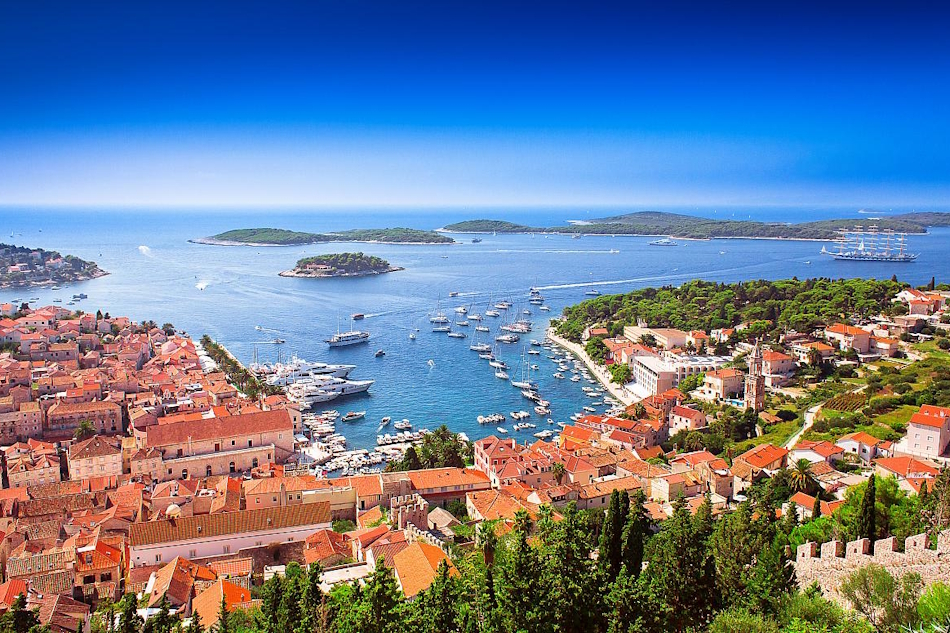
Croatia is one of the most popular destinations for tourists from all over the world.
Continuing from our previous article, here are more exclusive tips for Croatia – the Jewel of the Adriatic, known for its beautiful coastlines, historical monuments, and vibrant culture.
While Croatia’s mainland cities are stunning, the true soul of the country is found scattered across the brilliant blue waters of the Adriatic. From glamorous party hotspots to ancient Roman arenas and serene natural beauty, the Dalmatian coast offers a perfect escape for every type of traveler.
1. Hvar – The island of sun and glamour
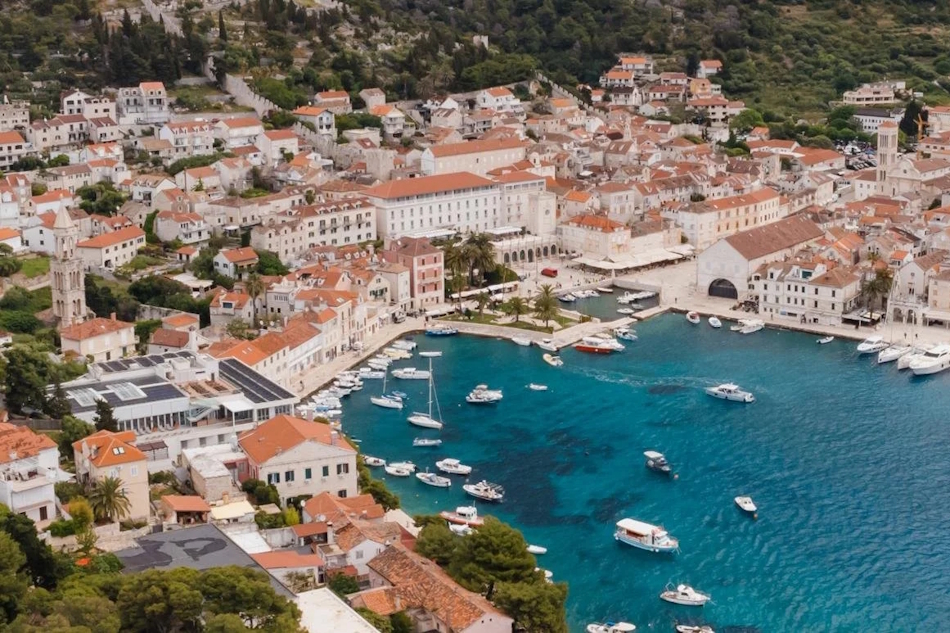
Hvar is the undisputed queen of the Dalmatian Islands. It is an island of superlatives: the sunniest spot in Croatia, a playground for celebrities, and home to fragrant lavender fields and world-class wineries.
Hvar Town, the island’s glamorous heart, is a stunning showcase of Venetian architecture, with a beautiful main square and a historic fortress towering above.
Key Eexperiences:
- Climb to the Fortica (Spanish Fortress): The short, scenic walk up from Hvar Town is rewarded with the most breathtaking panoramic view of the town, the harbor, and the stunning Pakleni Islands archipelago just offshore. It’s the ultimate photo spot, especially at sunset.
- Explore the Pakleni Islands: This beautiful chain of pine-scented islets is just a short water taxi ride from Hvar Town. It’s a paradise for swimmers and sunbathers, with countless secluded coves and trendy beach bars.
- Discover Stari Grad and the Ager: Escape the buzz of Hvar Town and visit Stari Grad, one of the oldest towns in Croatia. Right next to it lies the Stari Grad Plain, a UNESCO World Heritage site—a vast, ancient agricultural landscape of stone walls and olive groves laid out by the Greeks in the 4th century BC.
Practical tips:
Hvar is easily accessible by catamaran from Split. While Hvar Town is the center of the action, consider staying in a quieter village like Stari Grad or Jelsa for a more authentic experience. Renting a scooter is a fantastic way to explore the island’s hidden beaches and lavender fields.
2. Korčula – The island of legends and wine
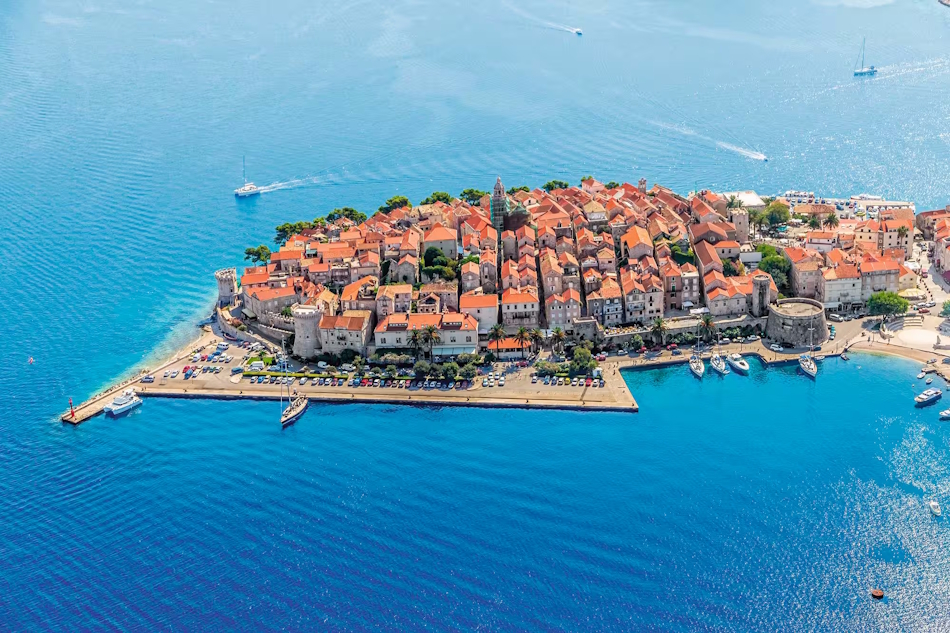
Often described as a “mini-Dubrovnik,” Korčula is an island steeped in history, legend, and winemaking traditions. Its crown jewel is Korčula Town, a stunning fortified medieval town built on a small peninsula, with its streets arranged in a clever herringbone pattern to protect residents from the sea winds.
The island proudly claims to be the birthplace of the famous explorer Marco Polo.
Key Eexperiences:
- Get Lost in Korčula Old Town: Wander through the narrow, stone-paved streets of the old town, admire the beautiful St. Mark’s Cathedral, and walk along the well-preserved medieval walls and towers. The town’s unique layout is a marvel of medieval urban planning.
- Taste the Local Wines: Korčula is famous for its crisp, dry white wines, particularly the native Pošip and Grk grape varieties. Take a bike tour or a taxi to the wine-growing regions around Lumbarda and Smokvica to visit local wineries for a tasting.
- Watch a Moreška Sword Dance: If you’re visiting in the summer, don’t miss a performance of the Moreška. This traditional, dramatic sword dance depicts a mock battle over a veiled princess and is a powerful and unique cultural experience.
Practical tips:
Korčula is well-connected by ferry to Split and Dubrovnik. The island offers fantastic cycling opportunities, with scenic roads winding through vineyards and along the coast. The southern side of the island is known for its beautiful sandy beaches, a relative rarity in Croatia.
3. Pula – The city of Roman grandeur
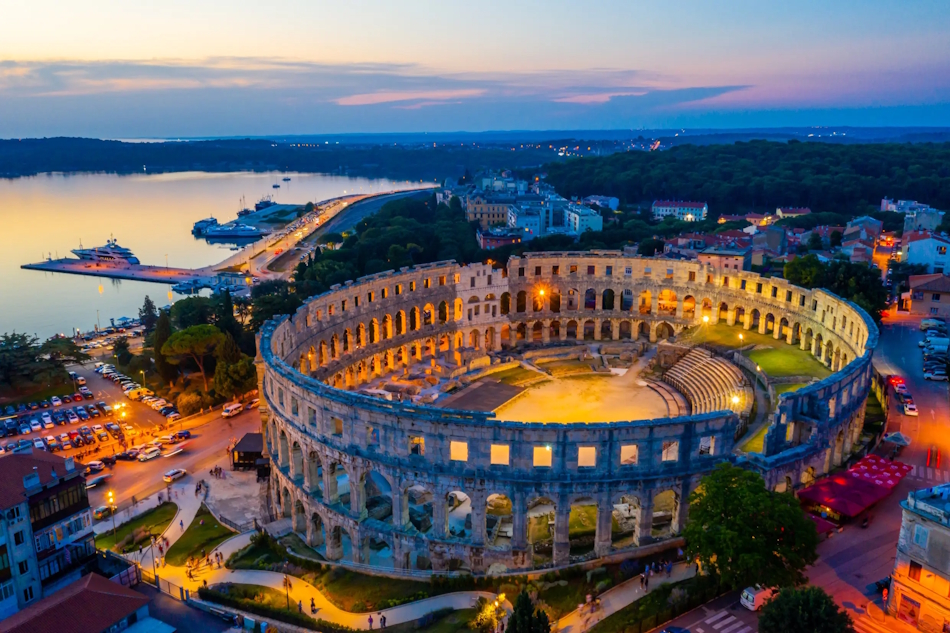
Located at the southern tip of the Istrian peninsula, Pula is a city where ancient Roman history comes to life. Its crowning glory is the magnificent Pula Arena, one of the largest and best-preserved Roman amphitheaters in the world.
Built in the 1st century AD, this colossal structure once hosted gladiatorial contests and today serves as a spectacular venue for concerts and festivals.
Key experiences:
- Marvel at the Pula Arena: Walk through the same archways as Roman gladiators and explore the underground passages. The sheer scale and excellent preservation of the amphitheater are truly awe-inspiring.
- Discover Roman Pula: Beyond the Arena, Pula is filled with Roman treasures. Visit the Temple of Augustus in the old Roman Forum, walk through the triumphal Arch of the Sergii, and explore the remnants of two Roman theaters.
- Explore Cape Kamenjak: Just south of Pula lies a stunning protected nature park with rugged coastlines, secluded coves, crystal-clear water, and popular cliff-jumping spots. It’s a perfect natural escape from the city.
Practical tips:
Pula has its own international airport, making it a convenient entry point to Istria. While the historical center is walkable, renting a car is the best way to explore the beautiful Istrian countryside and coastline around the city.
4. Šibenik – The city of fortresses and a renaissance gem
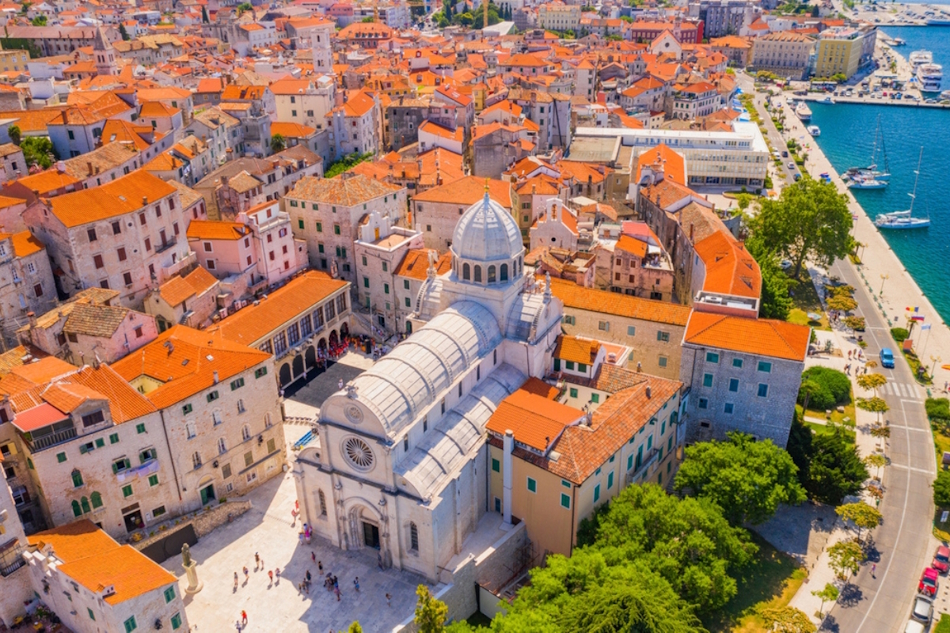
Often overlooked in favor of its more famous neighbors, Šibenik is a true hidden gem. It is the only city in Croatia with two UNESCO World Heritage sites: the stunning Cathedral of St. James, a masterpiece of Renaissance architecture built entirely of stone, and the formidable St. Nicholas’ Fortress, a sea fortress guarding the entrance to the city’s channel.
Key experiences:
- Visit the Cathedral of St. James: Admire the cathedral’s unique construction and its famous frieze of 71 sculpted heads, believed to be portraits of 15th-century Šibenik residents.
- Conquer the Fortresses: Šibenik is guarded by four fortresses. Climb up to St. Michael’s Fortress for incredible views over the old town and the Šibenik archipelago. St. John’s Fortress offers even more expansive views, while Barone Fortress features an immersive augmented reality museum.
- Gateway to Krka National Park: Šibenik is the perfect base for visiting Krka National Park, famous for its series of seven stunning waterfalls, including the magnificent Skradinski Buk, where you can swim in the pools below the cascades.
Practical tips:
Šibenik’s old town is a steep, labyrinthine maze of stone alleyways, so be prepared for some climbing. The city is conveniently located between Zadar and Split airports. Boat trips to Krka National Park and the nearby Kornati Islands are highly recommended.
5. Makarska – A riviera full of life
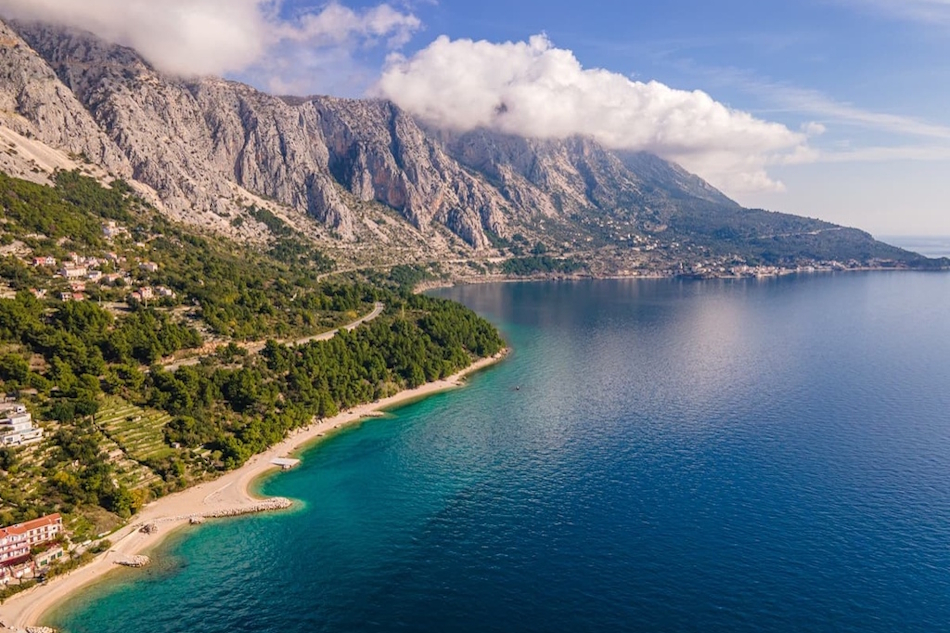
Nestled under the dramatic peaks of the Biokovo mountains, the Makarska Riviera is one of Croatia’s most popular and lively coastal destinations. The town of Makarska itself is the vibrant heart of the Riviera, known for its long pebble beaches, crystal-clear water, and a bustling promenade lined with palm trees, cafes, and restaurants.
Key experiences:
- Beach Hopping on the Riviera: The entire Makarska Riviera is dotted with spectacular beaches. Besides the main beach in Makarska, explore nearby gems like Punta Rata in Brela, famous for its iconic, pine-covered rock island.
- Explore Biokovo Nature Park: For a dramatic change of scenery, drive or hike into the Biokovo mountains that tower over the coast. The new Skywalk Biokovo, a glass-floored viewing platform, offers dizzying and unforgettable views of the Riviera below.
- Enjoy the Vibrant Nightlife: Makarska is famous for its energetic nightlife. As the sun sets, the beachfront bars and clubs come to life, offering entertainment that lasts well into the early morning hours.
Practical tips:
The Makarska Riviera can get very crowded during July and August. For a slightly quieter experience, consider visiting in June or September. The coastal road offers stunning views but can be busy during peak season.