


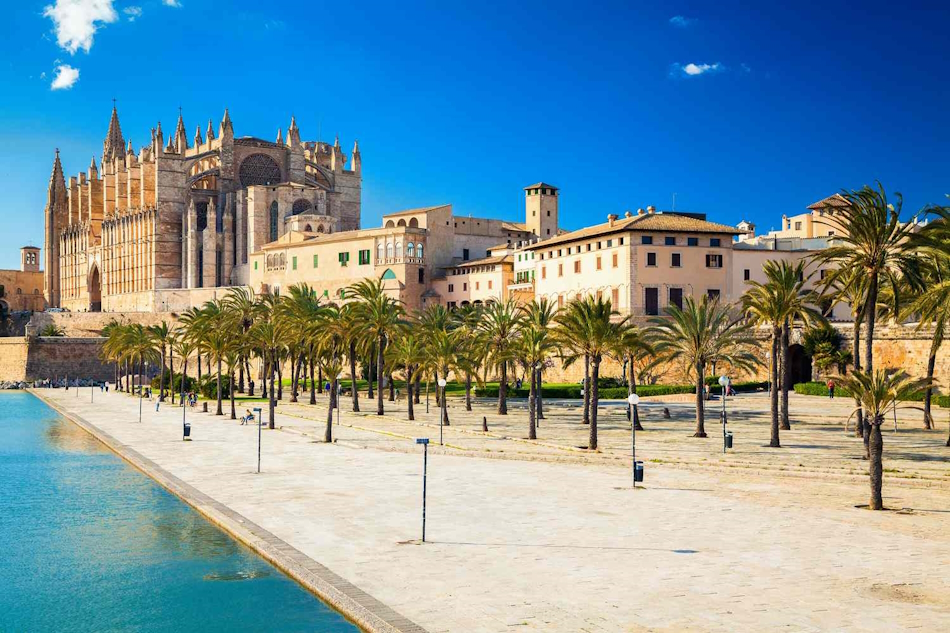
Mallorca, the largest island of the Balearic archipelago, is one of the most popular tourist destinations in the Mediterranean.
This Spanish island offers beautiful beaches, a rich history, cultural heritage, and diverse nature. In this article, we will look at all the aspects that make Mallorca such a special and attractive destination for travelers from all over the world.
Read also:
Spain – A land of passion, art, and experiences
1. Geography and climate
It is located in the western part of the Mediterranean Sea, approximately 170 km from the east coast of Spain. The island has an area of approximately 3640 km² and is home to more than 900,000 inhabitants. The capital is Palma de Mallorca, which is also the largest city on the island.
The climate on the island is typically Mediterranean, with hot summers and mild winters. Summer temperatures are around 30 °C, while winter temperatures rarely drop below 10 °C.
Thanks to the favorable weather, the island is an ideal vacation spot throughout the year. The island offers diverse natural scenery, from mountains to beaches, making it an ideal place for nature lovers and outdoor enthusiasts.
2. History and culture
Mallorca has a rich history that dates back to prehistoric times. The first settlement of the island dates to the Bronze Age, when the original inhabitants known as the Talaiotics lived here. Over the centuries, various cultures and civilizations have taken turns on the island, including the Phoenicians, Romans, Vandals, Byzantines, and Arabs.
In 1229, King James I of Aragon conquered the island and incorporated it into his kingdom. Since then, the island has been part of Spain and has gone through many historical events that have shaped its current form.
The culture is rich and diverse, with influences from various historical periods. The island is known for its traditional festivals, music, dance, and crafts. Among the most important cultural events is the Festa de Sant Joan, which takes place in June and celebrates the summer solstice.
Another is the Festa de Sant Sebastià, which takes place in January in honor of the patron saint of Palma. These festivals are full of colors, music, and dance, and offer visitors a unique insight into the local culture and traditions.
3. Natural beauties
Mallorca is known for its beautiful nature, which offers diverse landscapes from mountains to beaches. The most famous mountain range on the island is the Serra de Tramuntana, which stretches along the northwest coast.
This mountain range is a UNESCO World Heritage site and offers breathtaking views, picturesque villages, and numerous hiking trails. For nature lovers, it is a paradise on earth where they can discover the beauties of nature and enjoy peace and quiet.
On the southeast coast is the Mondragó Natural Park, which is home to a multitude of plant and animal species. The park is known for its beautiful beaches, crystal-clear water, and picturesque coves.
The island also has numerous caves that are open to the public. The most famous of these are the Drach and Hams caves, located near the town of Porto Cristo. They offer visitors stunning underground scenery with huge stalactites and stalagmites, as well as underground lakes.
4. Beaches and coastline
Mallorca is known for its beautiful beaches, which are one of the main reasons why millions of tourists come here every year. The island offers a wide range of beaches, from bustling tourist resorts to secluded coves and hidden beaches.
Among the most popular beaches is Playa de Palma near the capital, which offers a long sandy coastline with plenty of restaurants, bars, and shops.
Another popular beach is Cala Millor on the east coast, known for its fine sandy beach and crystal-clear water. For those looking for quieter and less crowded beaches, Cala Mesquida on the northeast coast is an ideal choice.
This beach is surrounded by dunes and pine forests and offers beautiful views and a peaceful atmosphere. A pearl and also a perfect beach is Playa de Muro, between the towns of Alcúdia and Can Picafort. These beaches are ideal for families with children, couples, and individuals looking for relaxation and rest by the sea.
5. Palma de Mallorca
The capital, Palma de Mallorca, is the heart of the island and offers many historical monuments, cultural attractions, and modern facilities. Among the most important monuments is the La Seu Cathedral (Cathedral of Saint Mary), which is one of the largest Gothic churches in Europe.
The cathedral offers breathtaking views of the sea and the city. Another important monument is the Almudaina Palace, which was originally an Arab palace and later rebuilt into a royal residence.
The palace is open to the public and offers visitors the opportunity to explore its beautiful interiors and gardens. Palma de Mallorca is also known for its narrow streets, which are full of shops, restaurants, and cafes.
The city offers many cultural events, including concerts, exhibitions, and festivals that take place throughout the year. For lovers of art and history, Palma de Mallorca is a true paradise where they can discover the rich history and culture of the island.
6. Gastronomy
Mallorcan cuisine is rich and diverse, with influences from various cultures and historical periods. The island is known for its fresh seafood, olive oil, almonds, and citrus fruits.
Among the most typical dishes are paella, which is prepared with various types of meat, fish, and vegetables, and tumbet, which is a traditional dish of eggplant, potatoes, and peppers. Another popular dish is sobrasada, which is a type of sausage made from pork and paprika.
Sobrasada is often served on bread or used as an ingredient in various dishes. Mallorca is also known for its wines, which are produced from local grape varieties.
Among the most famous wine regions are Binissalem and Pla i Llevant, where you can visit local wineries and taste their products. For gourmets, Mallorca is a true paradise where they can discover new flavors and enjoy unique culinary experiences.
7. Activities and entertainment
Mallorca offers plenty of activities and entertainment for visitors of all ages. For nature lovers and outdoor enthusiasts, there are numerous hiking trails, bike paths, and opportunities for rock climbing.
The island is also an ideal place for water sports such as diving, snorkeling, windsurfing, and yachting. For those seeking cultural experiences, there are many museums, galleries, and historical monuments.
Among the most important museums is the Es Baluard Museum of Modern Art, located in Palma, which offers a collection of works by local and international artists.
Mallorca is also known for its nightlife, with many bars, clubs, and discos that offer entertainment until the early morning hours. Among the most popular places for nightlife is Magaluf, which is known for its bustling clubs and beach parties.
For those looking for quieter entertainment, there are romantic walks on the beach or dinners in one of the many restaurants with a sea view.
8. Traditional crafts and art
Mallorca is known for its traditional crafts, which are an important part of the island’s cultural heritage. Among the most famous is the production of pearls, which are popular all over the world.
You can visit local workshops and see how these beautiful jewels are made. Another traditional craft is the production of ceramics and textiles, which use techniques passed down from generation to generation. The art is also very diverse, with many galleries and studios where you can admire the works of local artists.
9. Ecotourism and sustainability
In recent years, Mallorca has become a center for ecotourism and sustainable tourism. Many hotels and resorts on the island focus on ecological practices, such as using renewable energy sources, recycling, and supporting local products.
Visitors can discover the natural beauties of the island through ecological excursions and activities such as hiking, cycling, and bird watching. These activities not only support sustainability but also provide a unique insight into the natural wealth of Mallorca.
10. Wellness and relaxation
Mallorca is an ideal place for those seeking relaxation and rejuvenation of body and soul. The island offers many wellness centers and spas where you can indulge in various treatments, massages, and therapies.
Many of these facilities are in beautiful surroundings that provide peace and harmony. In addition, the island also offers many yoga and meditation retreats, which are ideal for those seeking inner peace and balance.
11. Family activities
In addition, it is a great place for a family vacation, with plenty of activities and attractions for children and adults. The island offers many amusement parks, water parks, and zoos where children can have fun and learn something at the same time.
The beaches in Mallorca are also ideal for families, with fine sand and shallow water where children can play safely. In addition, many hotels and resorts offer family packages and programs that ensure every member of the family finds something for themselves.
12. Shopping and markets
For those who love shopping, the island offers many options. It is full of shops, boutiques, and markets where you can find everything from local craft products to luxury brands.
Markets are particularly popular, where you can buy fresh local products such as fruits, vegetables, cheeses, and wines. They are also a great place to discover local culture and traditions, where you can taste local specialties and meet local people.
13. Sports and recreation
Mallorca is a paradise for sports enthusiasts, offering a wide range of sports activities. The island is known for its excellent conditions for cycling, with many professional teams coming here to train.
Besides cycling, it is an ideal place for golf, with several top-class golf courses scattered across the island. Water sports such as sailing, kayaking, and paddleboarding are also very popular, allowing visitors to enjoy the beautiful coastline from a different perspective.
14. Historic villages and towns
In addition to the capital, Palma de Mallorca, the island offers many picturesque villages and smaller towns that are worth a visit. Villages like Valldemossa, known for its monastery where the composer Frédéric Chopin lived.
Or Deià, a favorite place of artists and writers, offer a unique insight into traditional life on Mallorca. These places are full of narrow streets, historic buildings, and beautiful views that will charm every visitor.
15. Festivals and events
Mallorca is an island of festivals and events that take place throughout the year. In addition to traditional religious celebrations, such as Easter and Christmas, the island hosts many cultural and artistic festivals.
Among the most important are the Deià International Music Festival, which attracts musicians from all over the world, and the Art Palma Brunch, which is a celebration of contemporary art. These events offer visitors the opportunity to experience local culture and art in all its glory.
16. Adventure activities
For those looking for adrenaline-pumping experiences, the island offers plenty of adventurous activities. From rock climbing in the Serra de Tramuntana mountains, through paragliding over the beautiful coastlines, to cave diving, the island has something to offer every adventurer.
17. Viticulture and winemaking
Mallorca has a long tradition of wine production, and visitors can discover local wineries and taste quality wines on site. Wine regions like Binissalem and Pla i Llevant are known for their excellent red and white wines.
Many wineries offer tours and tastings, where you can learn more about the winemaking process and taste different varieties that are typical for this region.
18. Archaeological sites and history
Mallorca is rich in archaeological sites that offer a glimpse into the island’s ancient past. One of the most important sites is the Talaiotic complex of Ses Païsses near the town of Artà.
This site is one of the best-preserved Talaiotic settlements on the island and offers a fascinating insight into the life of the original inhabitants of Mallorca. Visitors can explore ancient stone structures and learn more about the history and culture of the island.
19. Artà and local markets
The town of Artà, located in the northeast of the island, is known for its rich history and cultural heritage. Artà is a popular destination for those who want to experience the authentic atmosphere of Mallorca.
The town is known for its narrow streets, historic buildings, and beautiful views of the surrounding mountains. Every Tuesday, a traditional market is held in the town, where you can buy fresh local products, crafts, and souvenirs. The market is a place to meet local people and taste traditional specialties.
20. Organic farms and agritourism
Mallorca also offers the opportunity to experience life on organic farms through agritourism. Visitors can stay on farms where local crops are grown and animals are raised using traditional methods.
Farms offer a unique insight into sustainable agriculture and allow visitors to participate in daily activities, such as harvesting crops or caring for animals. Agritourism is a great way to get closer to nature and understand the importance of organic farming.
21. Caves and underground adventures
In addition to the famous Drach and Hams caves, Mallorca also offers many lesser-known caves that are ideal for adventurers. The caves offer the opportunity to explore underground worlds full of stalactites, stalagmites, and underground lakes.
For those looking for adrenaline-pumping experiences, organized cave trips are also available, which include climbing and swimming in underground waters. Adventures are ideal for those who want to discover the hidden treasures of Mallorca.
Conclusion
Mallorca is a true pearl of the Mediterranean, offering visitors beautiful beaches, a rich history, cultural heritage, and diverse nature. Whether you are looking for a relaxing vacation on the beach, adventurous outdoor activities, or cultural experiences, Mallorca has something for everyone.
This Spanish island is an ideal vacation spot throughout the year and is definitely worth a visit. Mallorca is a place where history meets modern life, nature meets culture, and traditions meet innovations. It is a place you will fall in love with and want to return to again and again.
Interesting facts
Mallorca, often also spelled Majorca in English, is a Spanish island. It is located in the western part of the Mediterranean Sea, with the capital being about 200 km from Valencia and 273 km from Barcelona. With a length of 110 km and a width of 70 km (3,640 km²), it is the largest of the Balearic Islands. The capital city is Palma de Mallorca.
It is an island belonging to Spain, the largest of the Balearic Islands. It is located in the western part of the Mediterranean Sea, approximately 200 km from the Spanish coast. It has an area of 3,648 km² and 920,000 inhabitants. It is the largest and second most populous island in Spain.
Approximately 200 km to the north is Barcelona and 300 km to the west is Valencia. Its largest city and capital is Palma de Mallorca. Mallorca is a frequent tourist destination, and tourism is one of the main sources of income for the local population.
Every year, 12 million tourists visit the island, especially Germans. In addition to tourism, the local population makes a living from agriculture and wine growing. The language spoken here is Mallorquín, a dialect of Catalan, and Spanish is also an official language.
During the Bronze and Iron Ages, the Talaiotic culture existed on the islands of Mallorca and Menorca, from which stone megaliths have been preserved. In the past, the island was inhabited and conquered by the Romans, Moors, and Byzantines, which is why many architectural monuments have been preserved here, reminiscent of the interaction of different cultures.
The colonizers and cartographically skilled Romans gave Mallorca its name, which has remained in the Spanish version and means “The Largest.” Since the 16th century, 84 defensive towers were built along the coast to defend the island from Barbary pirates from North Africa.
The capital city, Palma, is dominated by the La Seu Cathedral (Cathedral of Light), which was built in 1587. There is also a Gothic castle, built by James II, which served as a prison until the 20th century. The Byzantine period is reminiscent of the foundations of a baptistery in the shape of a cross with a trefoil water tank.
An Arab bath from the 10th century is preserved here. The main buildings date from the reign of the Aragonese kings and the Spanish Habsburgs. In 1399, the Carthusian monastery of Valldemossa was founded, and its buildings, along with the pharmacy, were restored in a classical style.
In 1838 and 1839 (in the last years of his life), the Polish composer Frederic Chopin and the writer George Sand lived here. Of the technical monuments, the old railway line that runs from Palma to Sóller and back is still in use.
Mallorca was discovered for tourism by the Tuscan Grand Duke Ludwig Salvator, who built one of his residences in Palma. In addition to Palma, there are several popular places, for example, Deia, a town with steep streets, which is popular especially among artists, Andratx full of old churches, or Alcudia with its Roman walls.
National anthem (Spain)
Marcha Real
(Royal March)