


Turkey reflects the rich history and culture of several civilizations that have existed here over the centuries.
Straddling the Bosphorus Strait, its feet planted firmly in both Europe and Asia, Istanbul is more than a city—it is a living, breathing testament to the empires that have claimed it as their own.
Read also:
What to do during a weekend in Istanbul?
The Turkish Riviera – Blue Flag beaches and a beautiful coastline
Turkey – Where East meets West
This is a place where history is not confined to museums but is etched into every cobblestone, every dome, and every bustling market street. As Constantinople, it was the heart of the Roman, Byzantine, and Latin Empires; as Istanbul, it became the glorious capital of the Ottoman sultans.
This unparalleled legacy creates a city of intoxicating contrasts, where ancient rituals unfold in the shadow of gleaming skyscrapers, and the call to prayer provides the soundtrack to a relentlessly modern, vibrant metropolis.
1. The imperial heart: Sultanahmet Square
The historic peninsula of Sultanahmet is where you can feel the pulse of Istanbul’s imperial past most strongly. For centuries, this was the center of the world, and two of history’s most magnificent structures stand here in a silent, powerful dialogue across a bustling square.
Hagia Sophia (Ayasofya): A monument that changed history
A masterpiece of Byzantine engineering and a symbol of spiritual ambition, Hagia Sophia is simply one of the most important buildings in the world. Originally built as the principal cathedral of the Byzantine Empire in the 6th century, its monumental dome—seemingly floating on a cascade of light from 40 arched windows—was a feat of architecture that remained unrivaled for nearly a thousand years.
When you step inside, the sense of scale and history is overwhelming. Look up, and you’ll see magnificent Byzantine mosaics of Christian figures shimmering in gold, their gazes serene and timeless.
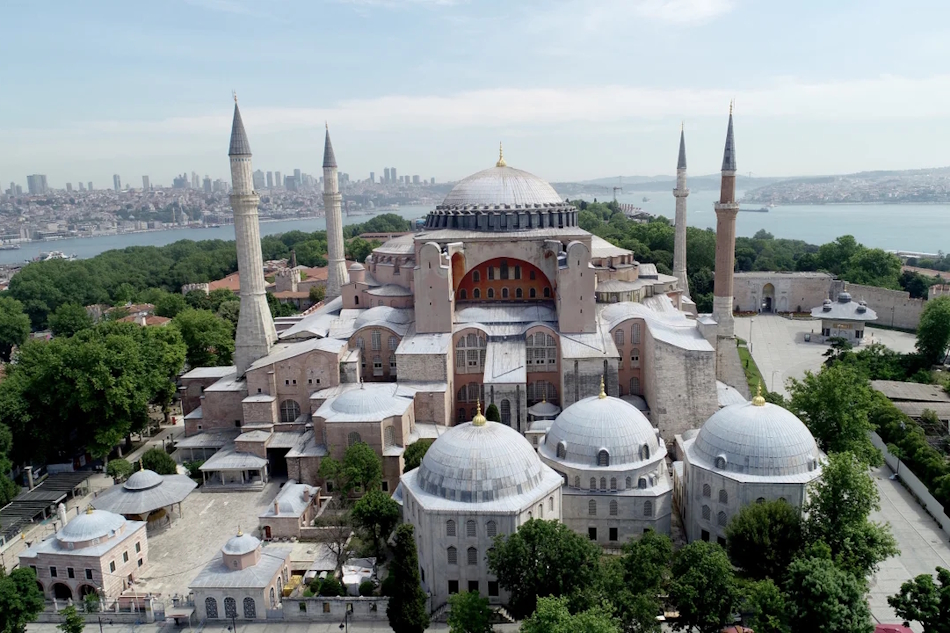
In 1453, after the Ottoman conquest, Hagia Sophia was converted into a mosque, and the elegant minarets that now define its silhouette were added. In the 20th century, it was transformed into a museum, a symbol of Turkey’s secular republic.
Most recently, it has reverted to being a functioning mosque. This complex history is palpable within its walls, where Christian iconography and Islamic calligraphy coexist, telling the story of a city and a faith that is constantly evolving.
The Blue Mosque (Sultan Ahmed Mosque): A vision of Islamic elegance
Built in the early 17th century directly opposite Hagia Sophia, the Sultan Ahmed Mosque was designed with one purpose: to surpass its legendary neighbor in beauty and grandeur.
With its six slender minarets piercing the skyline (a feature unique at the time) and its cascade of domes and semi-domes, its exterior is a symphony of perfect architectural harmony.
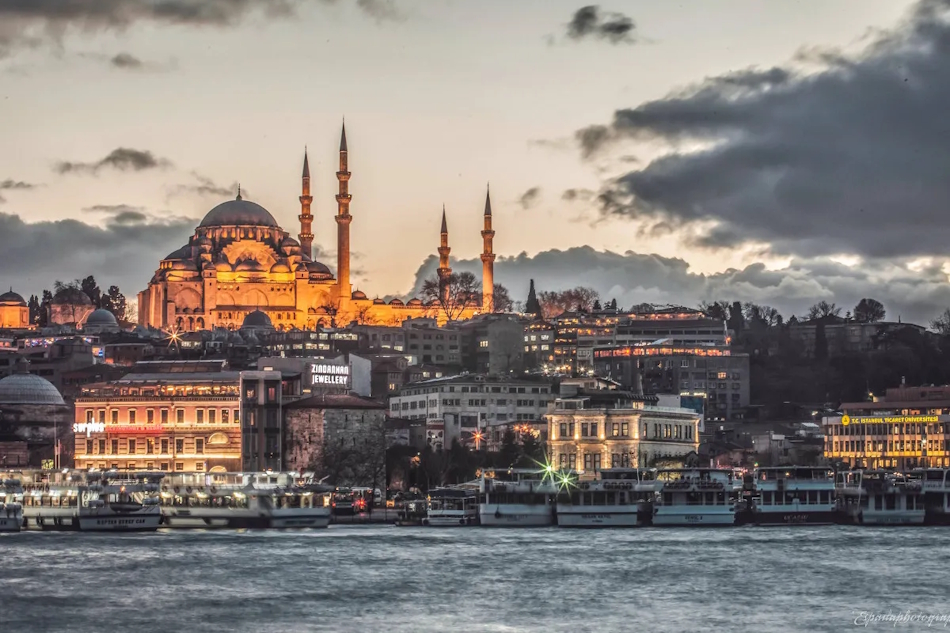
But it’s the interior that gives the mosque its famous name. The walls are covered with over 20,000 exquisite, hand-painted blue tiles from Iznik, depicting traditional Ottoman patterns like tulips, roses, and cypress trees.
Bathed in the soft light filtering through 260 stained-glass windows, the space feels ethereal and deeply serene. To enter the vast, carpeted prayer hall and gaze up at the celestial dome is to experience a moment of profound peace and awe.
The Hippodrome: A stage for emperors and chariots
Stretching out before the Blue Mosque is the site of the ancient Hippodrome, the social and sporting heart of Constantinople. While little of the original structure remains, its elongated shape is preserved in the modern square.
Imagine the thundering hooves of chariot races, the roar of 100,000 spectators, and the political intrigues that unfolded right here. Three remarkable monuments from different eras still stand as silent witnesses:
- The Obelisk of Thutmose III: A perfectly preserved ancient Egyptian obelisk, carved around 1500 B.C. and brought to Constantinople by Emperor Theodosius in the 4th century A.D. Its hieroglyphs are still astonishingly sharp.
- The Serpentine Column: The weathered bronze remains of a trophy dedicated at Delphi in the 5th century B.C. to celebrate the Greek victory over the Persians at the Battle of Plataea.
- The Walled Obelisk: A stone column of uncertain origin, once covered in bronze plaques that were looted during the Fourth Crusade.
2. The soul of commerce: Bazaars and spices
To truly understand Istanbul, you must dive into its markets. They are not just places to shop; they are vibrant, chaotic, and utterly immersive sensory experiences that have been the lifeblood of the city for centuries.
The Grand Bazaar (Kapalıçarşı): A labyrinth of treasures
One of the oldest and largest covered markets in the world, the Grand Bazaar is a city within a city. Getting lost in its 61 covered streets and over 4,000 shops is not a risk; it’s the entire point.
As you wander, your senses are bombarded with a dazzling array of goods: the soft glow of hand-painted ceramics and intricate mosaic lamps, the rich scent of leather goods, the gleam of gold and silver jewelry, and the luxurious feel of silk and pashmina scarves.
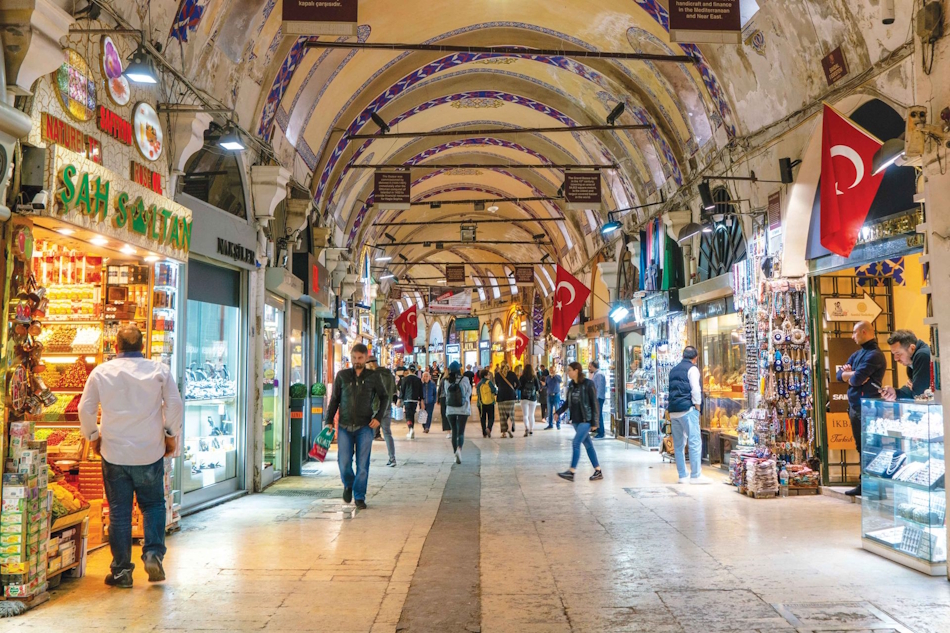
The real joy is the interaction. Be prepared to haggle—it’s an expected and good-natured part of the tradition. Accept a small glass of apple tea from a friendly shopkeeper, listen to their stories, and take your time.
Whether you’re searching for a beautiful carpet, a unique backgammon set, or simply soaking up the atmosphere, the Grand Bazaar is an unforgettable adventure.
The Spice Bazaar (Mısır Çarşısı): A feast for the senses
Located near the waterfront in the Eminönü district, the Spice Bazaar, also known as the Egyptian Market, is an aromatic paradise. The air is thick with the exotic scents of a thousand spices.
Heaping pyramids of saffron, sumac, paprika, and mint line the stalls, alongside a dazzling variety of Turkish delight (lokum) in every imaginable flavor, dried fruits, nuts, and fragrant teas.
It’s a place to taste, smell, and see the culinary heritage of the Ottoman Empire. The vendors are passionate about their products and will often let you sample before you buy.
3. The taste of Istanbul: A culinary crossroads
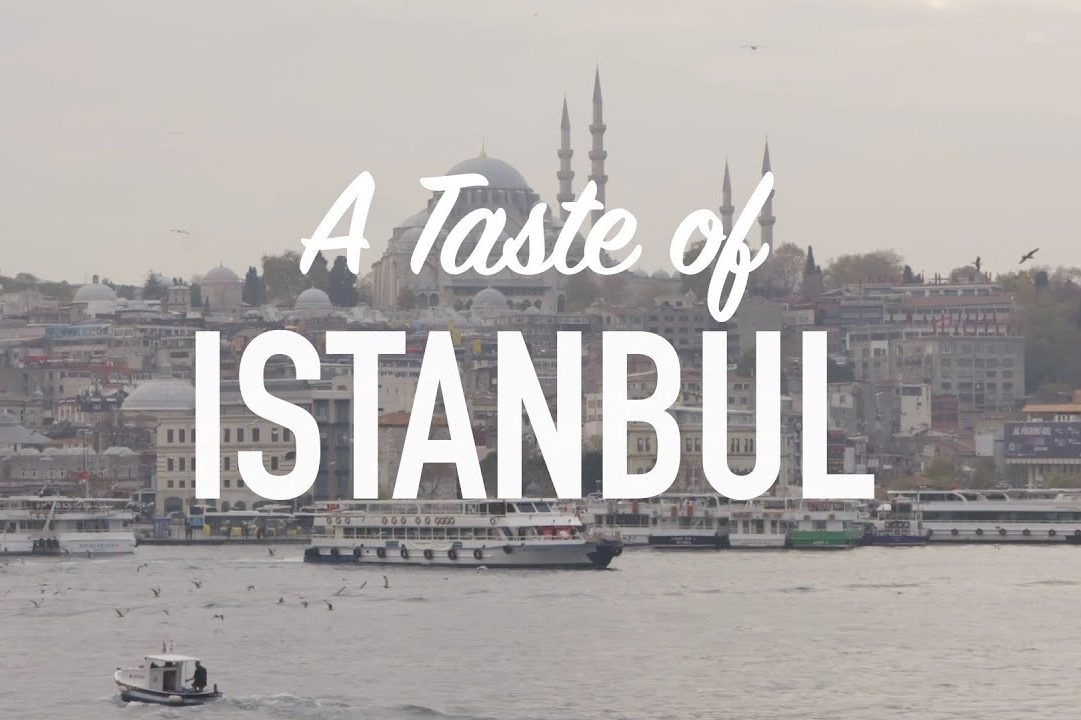
Turkish cuisine is a magnificent fusion of Mediterranean, Central Asian, Middle Eastern, and Balkan influences, and Istanbul is its vibrant epicenter. The city offers an incredible range of dining experiences, from humble street food stalls to world-class fine dining.
- Street Food Staples: You can’t leave without trying the iconic street foods. Grab a simit (a sesame-crusted bread ring) for breakfast, enjoy a balık-ekmek (a grilled fish sandwich) fresh from the boats in Eminönü, or indulge in a late-night döner kebab or kumpir (a massive baked potato with a seemingly endless choice of fillings).
- A Traditional Feast: For a deeper dive, visit a meyhane (a traditional tavern) in the Beyoğlu or Kadıköy districts. Here, you’ll enjoy a selection of meze (small appetizers like creamy yogurt dips, spicy tomato salads, and stuffed vine leaves) followed by grilled fish or meat, all accompanied by rakı, the anise-flavored national spirit.
- Modern Turkish Cuisine: Istanbul also has a thriving modern food scene. Innovative chefs are reinterpreting classic Anatolian recipes with contemporary techniques. Restaurants like Kantin in the chic Nişantaşı district focus on fresh, seasonal, and locally sourced ingredients, offering a sophisticated taste of what Turkish cuisine can be.

4. Beyond the city: A glimpse into ancient worlds
While Istanbul is a universe unto itself, it also serves as a gateway to some of Turkey’s other historical treasures. A short flight or a comfortable bus ride can transport you to entirely different eras.
- Ephesus: Near the modern city of Izmir on the Aegean coast lies Ephesus, one of the most complete and best-preserved ancient Greco-Roman cities in the Mediterranean. Walk down the marble-paved Arcadian Way, stand in the magnificent Library of Celsus, and imagine the acoustics in the Great Theater, which could hold 25,000 people. It’s an incredibly evocative journey back in time.
- Troy: The legendary city of the Trojan War, immortalized in Homer’s Iliad, is a must-see for history buffs. While the ruins themselves are more subtle than those at Ephesus, the weight of the myths and legends that surround the site is immense. The nine layers of the city, excavated over the years, reveal a complex and fascinating history.
Conclusion: A city that never stops telling its story
Istanbul is a city of endless layers and intoxicating energy. It is a place where every corner turned reveals a new story, where ancient empires feel simultaneously present and long-past, and where the fusion of East and West creates a culture that is utterly unique.
From the grandeur of its imperial monuments to the vibrant chaos of its markets and the rich flavors of its food, Istanbul offers a journey that engages all the senses and captures the heart. It is a city you can return to again and again, and one that will never cease to surprise and enchant you.