


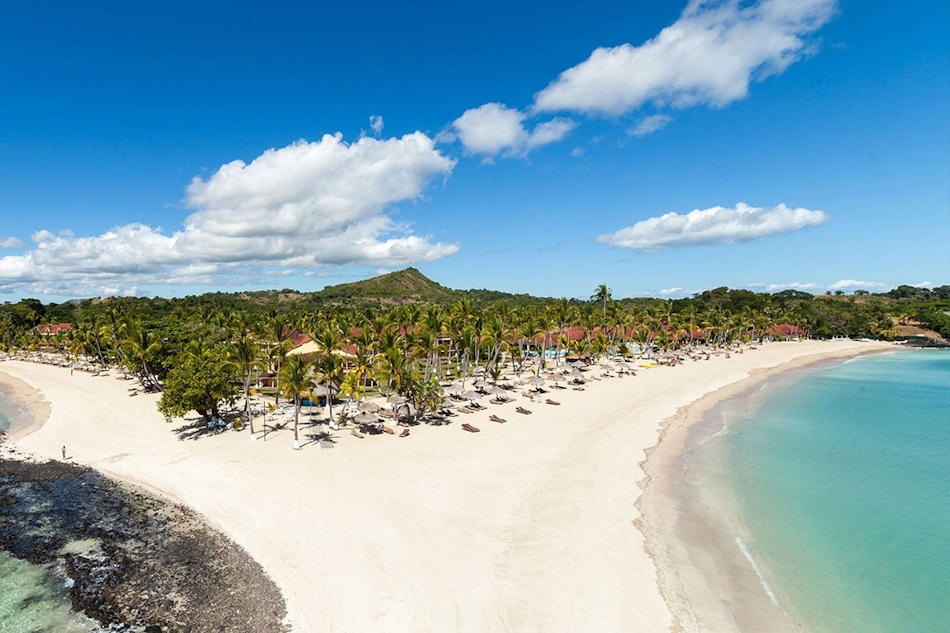
Madagascar is known for its unique nature and endemic species found nowhere else in the world.
This island offers fascinating natural scenery, from tropical rainforests to arid deserts, and is home to exceptional biodiversity, including the famous lemurs. Let’s explore some of the most interesting places you should experience during your visit.
Having broken away from the supercontinent of Gondwana over 160 million years ago, it evolved in splendid isolation, giving rise to a dazzling and utterly unique array of flora and fauna found nowhere else on Earth.
This is a land of otherworldly landscapes, from forests of giant baobabs to impenetrable stone pinnacles and lush rainforests echoing with the calls of lemurs. Visiting Madagascar is not just a trip; it’s an expedition to an “eighth continent,” a journey into a land of extraordinary wonders that promises true adventure for the intrepid traveler.
1. Avenue of the Baobabs – The majestic giants’ promenade
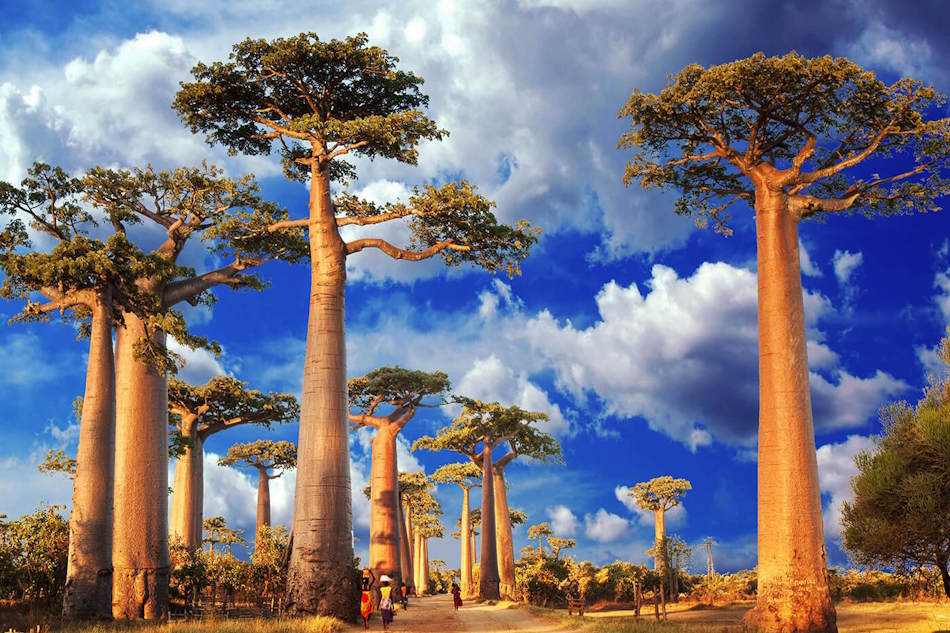
There is no image more iconic of Madagascar than the Avenue of the Baobabs. This extraordinary dirt road, located between Morondava and Belon’i Tsiribihina in the west, is lined on both sides by a procession of majestic Grandidier’s baobabs (Adansonia grandidieri).
These ancient, massive trees, with their smooth, columnar trunks and crown of spindly branches, can reach heights of nearly 100 feet and live for over a thousand years. They are the silent, towering remnants of a dense forest that once stood here.
Key experiences:
- Sunrise and Sunset Spectacle: This is the most magical time to visit. At sunrise, the sky explodes in soft pastel colors, backlighting the dark silhouettes of the trees. At sunset, the trunks glow a fiery orange and red, casting long, dramatic shadows across the landscape. The changing light creates a breathtaking, almost spiritual atmosphere that is a photographer’s dream.
- Walk Among the Giants: Get out of the car and walk the avenue. Only then can you truly appreciate the colossal scale of these trees. The local community has set up a small visitor center and craft market, offering a chance to interact with the people who live in the shadow of these giants.
Practical tips:
The Avenue is easily accessible from the coastal town of Morondava. It’s best to hire a 4×4 with a driver, especially if you plan to visit for both sunrise and sunset. Be respectful of the local communities and the fragile environment around the trees.
2. Tsingy de Bemaraha National Park – The forest of stone needles
A UNESCO World Heritage site, Tsingy de Bemaraha is one of the most spectacular and surreal landscapes on the planet. The word tsingy in Malagasy means “where one cannot walk barefoot,” and it perfectly describes this vast, otherworldly mineral forest.
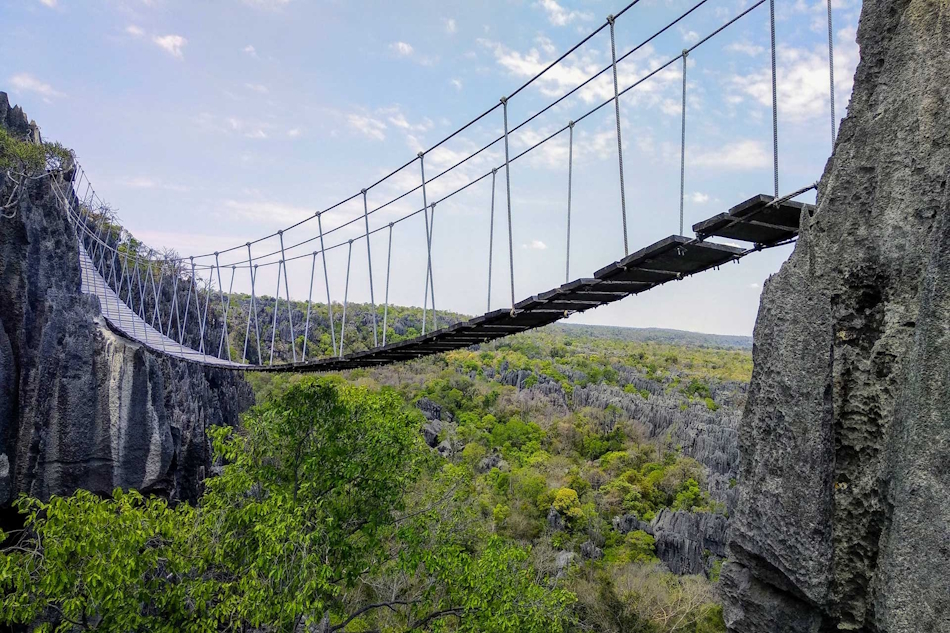
Over millions of years, groundwater has eroded a massive limestone plateau, creating a dense network of razor-sharp pinnacles, deep canyons, and hidden caves. It is a formidable, almost impenetrable fortress of nature.
Key experiences:
- The Via Ferrata Circuits: Exploring the Tsingy is a true adventure. A system of steel cables, rope bridges, and ladders has been installed, allowing you to navigate this incredible landscape safely. You’ll wear a harness as you traverse narrow ledges, cross dizzying suspension bridges high above the canyons, and squeeze through narrow passages. It’s a thrilling experience that offers breathtaking views.
- Wildlife Spotting: Despite its harsh appearance, the Tsingy is teeming with life. It is a refuge for a wide range of unique species that have adapted to this extreme environment, including 11 types of lemurs (most famously the Decken’s sifaka), numerous species of reptiles and amphibians, and over 100 species of birds.
Practical tips:
This is not a destination for the faint of heart. Access is difficult, requiring a long, bumpy 4×4 journey from Morondava, and the circuits require a good level of physical fitness and a head for heights. The park is only open during the dry season (typically April to November). A local guide is mandatory and essential for your safety.
3. Ranomafana National Park – The rainforest sanctuary
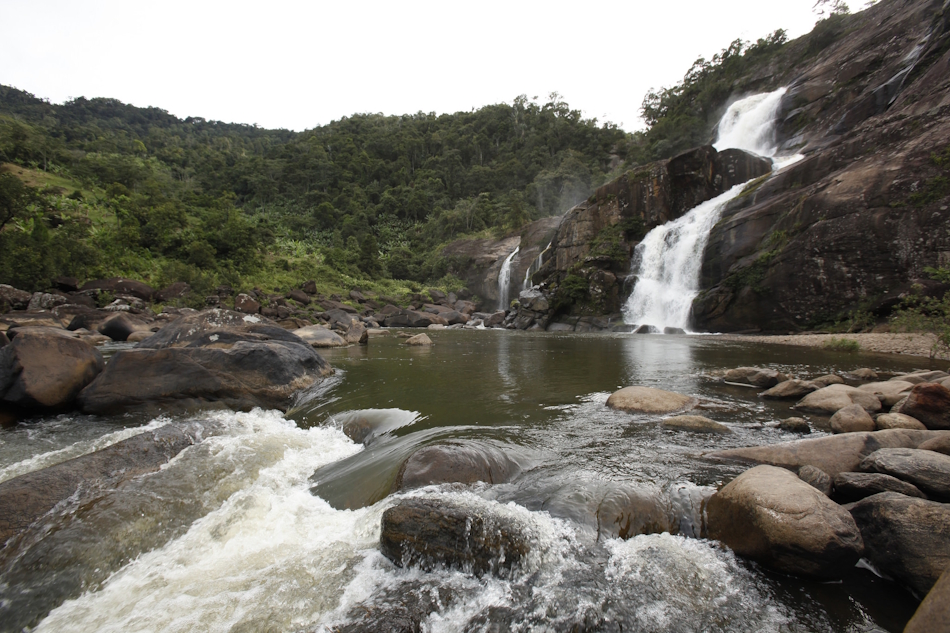
Located in the southeastern part of the country, Ranomafana is a classic high-altitude rainforest, a lush, mist-shrouded world of tumbling waterfalls, rushing rivers, and incredibly rich biodiversity.
The park was established in 1991 to protect the habitat of the critically endangered Golden Bamboo Lemur, which was discovered here just a few years earlier. Today, it is one of Madagascar’s most popular and important national parks.
Key experiences:
- Lemur Tracking: Ranomafana is a hotspot for lemur diversity. It is home to 12 species, including the Golden Bamboo Lemur, the Milne-Edwards’ Sifaka, and the charismatic Red-bellied Lemur. Hiring an expert local guide is key to spotting these elusive primates as you hike through the dense forest.
- Night Walks: The rainforest comes alive after dark. A guided night walk along the road bordering the park is an absolute must. Your guide’s sharp eyes will point out a fascinating world of nocturnal creatures, including tiny mouse lemurs (the smallest primates in the world), colorful chameleons, and bizarre-looking insects like the giraffe-necked weevil.
Practical tips:
The terrain is steep and the trails can be muddy and slippery, so good hiking boots are essential. It rains frequently, so pack waterproof gear. There is a range of accommodation options in the nearby village of Ranomafana, from basic guesthouses to more comfortable hotels.
Conclusion: A journey for the adventurous soul
Madagascar is not an easy destination, but it is an immensely rewarding one. It is a country that challenges and inspires in equal measure.
It is a place for those who seek not just a vacation, but a genuine adventure; for those who want to witness the weird and wonderful products of evolution in their natural habitat; and for those who want to experience a culture and a landscape that are truly like nowhere else on Earth. A journey to Madagascar is a journey to another world, and it is one you will never forget.