

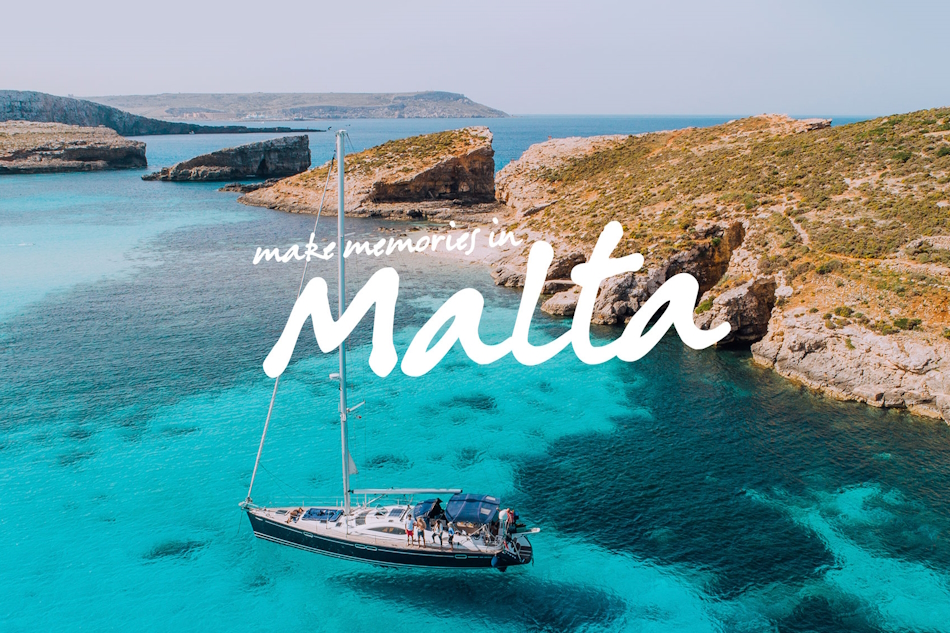
Malta is a place where history, culture, and beautiful scenery come together.
Known for its historical monuments, beautiful coastline, and warm climate, this sunny island is the perfect destination for anyone looking for a combination of relaxation and cultural discovery.
1. Valletta – European Capital of Culture
Valletta, the capital of Malta, is one of the smallest capital cities in Europe and is known for its rich historical heritage. Founded by the Knights of St. John of Jerusalem in the 16th century, the city is home to many historic buildings, including the imposing Grand Master’s Palace and the magnificent St. John’s Co-Cathedral. Valletta was named European Capital of Culture in 2018, a testament to its rich cultural scene. Valletta was named European Capital of Culture in 2018, a testament to its rich cultural scene.
2. Mdina – The Silent City
Mdina, an ancient city known as the “Silent City”, is one of the best examples of a medieval fortress in Malta. This fortified town, inhabited since ancient times, offers breathtaking views of the island from high ramparts and narrow, winding streets that lead to ancient palaces and mysterious chapels.
3. Gozo – Rustic gem
Gozo, the second largest island in the Maltese archipelago, is known for its quieter and more rural atmosphere. The island is ideal for nature lovers, offering impressive natural scenery such as Ramla Bay with its red sand, as well as historical monuments such as Ġgantija, one of the oldest standing structures in the world.
4. Comino – The Island of the Blue Lagoon
Comino, a small island between Malta and Gozo, is a popular destination for swimmers and divers thanks to its famous Blue Lagoon with crystal clear water. The island, which is almost uninhabited, offers an escape into unspoiled nature and is an ideal place for snorkeling and relaxation.
5. Colorful festivals and gastronomy
Malta is known for its cultural festivals, which reflect its historical and cultural diversity. From fireworks festivals to local fairs celebrating the patron saints of individual towns. Maltese cuisine, influenced by Mediterranean and North African influences, offers a rich culinary experience, including traditional pastizzi pastries, delicious rabbit, and fresh seafood.
Conclusion
Malta is a country full of contrasts, where the past meets the present and where every visitor will find something for themselves, whether it is a glimpse into its rich history, relaxation on picturesque beaches or sampling the excellent cuisine. Malta is not just a destination; it is a journey full of discoveries that will leave an indelible impression on every traveler’s heart.