

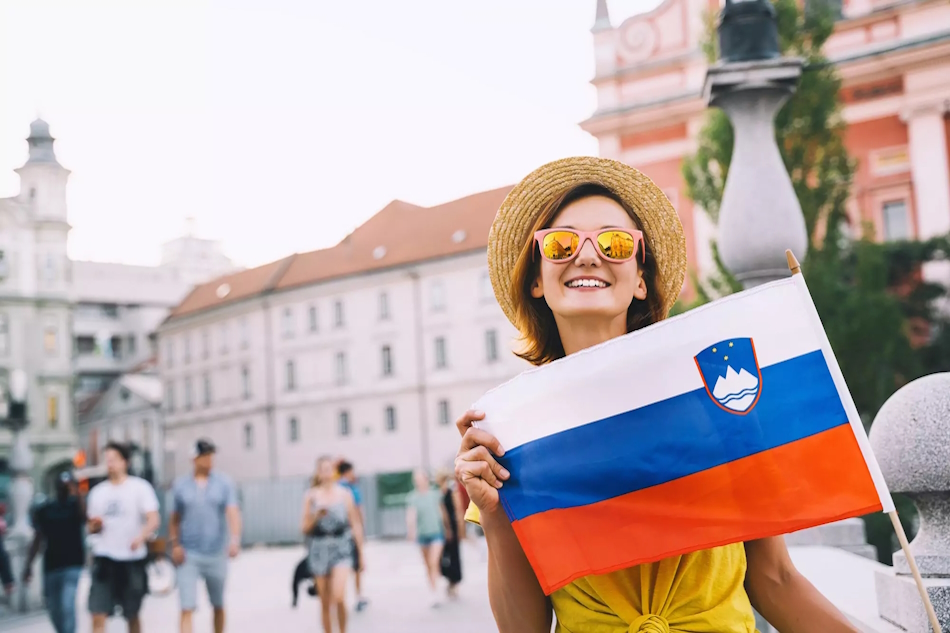
Slovenia is a small but impressive country in Central Europe.
It is also known for its beautiful nature, rich history, and culture. Although Slovenia is small in size, its natural diversity and cultural wealth are enormous.
From majestic mountains to crystal clear lakes, from green valleys to historic towns, Slovenia offers something for every traveler. In the following article, we will take a look at some of the most important places and attractions that you should not miss when visiting this amazing country.
1. Ljubljana – The charming capital
Ljubljana, the capital of Slovenia, is a lively and friendly city known for its green surroundings and vibrant culture. The city is home to a number of museums, galleries, and theaters.
Visit Ljubljana Castle, which offers breathtaking views of the city, or stroll along the Ljubljanica River and enjoy the cafes and markets that give the city its unique atmosphere.
Ljubljana is also known for its architecture, which combines various styles from Baroque to Modernism. The most famous architect who influenced the city’s appearance is Jože Plečnik, whose works are scattered throughout the city. Among the most important are the Triple Bridge (Tromostovje), the National and University Library, and Plečnik’s Market.
2. Lake Bled – Icon of Slovenia
Lake Bled is probably the most iconic and most visited natural site in Slovenia. With its picturesque island in the middle of the lake and a majestic castle towering above the water, Bled offers beautiful scenery and plenty of opportunities for outdoor activities such as rowing, hiking, and cycling.
The island in the middle of the lake is home to the Church of the Assumption of Mary, which is famous for its wishing bells. According to legend, if you ring the bell and make a wish, your wish will come true. Bled Castle, perched on a rock above the lake, offers breathtaking views of the surrounding countryside and is home to a museum that showcases the history of the region.
3. Postojna Cave – An underground wonder
Postojna Cave is one of the largest and most visited karst caves in the world. With more than 20 kilometers of passable tunnels, Postojna boasts breathtaking stalactites and stalagmites and offers a unique train ride that takes you deep into the underground world.
The cave is home to many interesting creatures, including the proteus, also known as the human fish, which is endemic to this area. A visit to Postojna Cave is an unforgettable experience that will allow you to discover the secrets of the underground world and admire the magnificent natural formations that have been shaped over thousands of years.
4. Triglav National Park – The heart of Slovenian nature
Triglav National Park is the only national park in Slovenia and covers almost the entire Julian Alps. The park is named after the highest peak, Triglav (2,864 m), and is a paradise for nature lovers, offering magnificent mountain views, clear mountain streams, and rich flora and fauna.
The Triglav National Park is an ideal place for hiking, mountaineering, cycling, and other outdoor activities. Among the most popular hiking trails is the ascent to the summit of Triglav, which is considered a national symbol of Slovenia. The park also offers a number of lakes, such as Lake Bohinj, which is ideal for swimming, fishing and boating.
5. Piran Coast – A Mediterranean gem
Piran is one of the most beautiful and atmospheric coastal towns in Slovenia. This historic town is known for its narrow streets, Baroque buildings, and squares that exude Mediterranean charm. Don’t forget to visit Tartinijev trg, the central square, where you can feel like you’ve stepped back in time.
Piran is also known for its beautiful beaches and clear sea, which are ideal for swimming and diving. The town offers a variety of restaurants where you can enjoy fresh seafood and traditional Slovenian dishes. Piran is a true Mediterranean gem that offers a combination of history, culture, and natural beauty.
6. Maribor – The wine-growing heart of Slovenia
Maribor, Slovenia’s second largest city, is known for its vineyards and rich wine-growing tradition. The city is home to the oldest vineyard in the world, which is over 400 years old. Visit the Maribor Wine Museum and taste some of Slovenia’s best wines in local wine bars.
Maribor is also known for its cultural events and festivals, such as the Lent Festival, which is the largest open-air festival in Slovenia. The city offers many historical sights, such as Maribor Castle and St. John the Baptist Cathedral, which are well worth a visit.
7. Škocjan Caves – UNESCO World Heritage Site
The Škocjan Caves are another breathtaking natural wonder in Slovenia. These caves are listed as a UNESCO World Heritage Site and are known for their huge underground chambers and river canyons.
A visit to the Škocjan Caves is a fascinating experience that allows you to discover a unique underground world. The caves are home to many interesting creatures and offer a number of hiking trails that allow you to explore their beauty. A visit to the Škocjan Caves is a great way to spend a day in nature and admire unique natural formations.
8. Ptuj – The oldest town in Slovenia
Ptuj is the oldest town in Slovenia and is known for its rich history and cultural heritage. The town is home to many historical monuments, such as Ptuj Castle, which offers breathtaking views of the town and the surrounding countryside.
Visit the City Museum to learn more about the history and culture of the region. Ptuj is also known for its thermal spas, which are the perfect place to relax and unwind. The city offers a variety of restaurants and cafes where you can enjoy traditional Slovenian food and drinks.
9. Kranjska Gora – Winter sports resort
Kranjska Gora is one of the most popular winter sports resorts in Slovenia. The town is known for its ski slopes and cross-country trails, which are ideal for skiers and snowboarders of all levels. Kranjska Gora is also home to many hotels and restaurants offering comfortable accommodation and excellent food.
In addition to winter sports, Kranjska Gora also offers a variety of summer activities, such as hiking, cycling, and rock climbing. The town is surrounded by beautiful nature and offers many hiking trails that allow you to discover the beauty of the Julian Alps.
10. Bohinj – Slovenia’s hidden gem
Bohinj is one of the most beautiful and peaceful places in Slovenia. This picturesque lake is surrounded by mountains and offers a variety of outdoor activities such as hiking, cycling, swimming, and boating. Bohinj is the ideal place to relax and unwind in nature.
Be sure to visit Bohinj Castle, which offers breathtaking views of the lake and the surrounding countryside. The town has many restaurants and cafés where you can enjoy traditional Slovenian food and drinks.
Conclusion
Slovenia, although small in size, is huge in terms of its natural beauty and cultural heritage. It offers a wide range of activities, from mountain adventures to relaxation on the coast.
Each season brings something new and captivating, making Slovenia an ideal destination for travelers seeking beauty, culture, and nature. Whether you decide to visit historic towns, beautiful lakes, breathtaking caves or majestic mountains, Slovenia is sure to offer you unforgettable experiences and memories.
Interesting
Slovenia has a predominantly mountainous terrain with a predominantly continental climate, with the exception of the Slovenian Littoral, which has a Mediterranean climate, and the Julian Alps in the northwest, which have an Alpine climate.
At the same time, the Dinaric and Pannonian lowlands meet in Slovenia. It is a country characterized by significant biological diversity and is one of the most water-rich countries in Europe with a dense river network, a rich water system, and significant karst underground streams.
More than half of the territory is covered by forests. Human settlement is scattered and uneven. Slovenia has historically been a crossroads of Slavic, Germanic, and Romance languages and cultures. In June 1991, after the introduction of a multi-party representative democracy, Slovenia became the first republic to secede from Yugoslavia.
The name Slovenia means “Slavic land” in Slovenian and other South Slavic languages. It is therefore a cognate of Slavonia, Slovakia, and Slavs. The etymology of Slav itself remains uncertain.
More than half of the country (11,823 km2) is covered by forests. This makes Slovenia the third most forested country in Europe. The areas are mainly covered by beech, fir, and beech-oak forests and have a relatively high production capacity. Meadows and pastures cover 5,593 km2, and fields and gardens cover 954 km2.
Slovenia offers tourists a wide range of natural and cultural attractions. The capital city of Ljubljana has many important Baroque and Viennese Secession buildings, including several notable works by the native architect Jože Plečnik and his student, the architect Edo Ravnikar.
National anthem
Zdravljica
(Toast)