


Why is Montenegro, a small country in southeastern Europe, known as the Hidden Treasure of the Balkans?
Despite its compact size, this destination is packed with diverse natural beauty, rich cultural heritage, and unique experiences, from stunning coastlines to ancient towns.
1. Kotor – A town hidden in the mountains
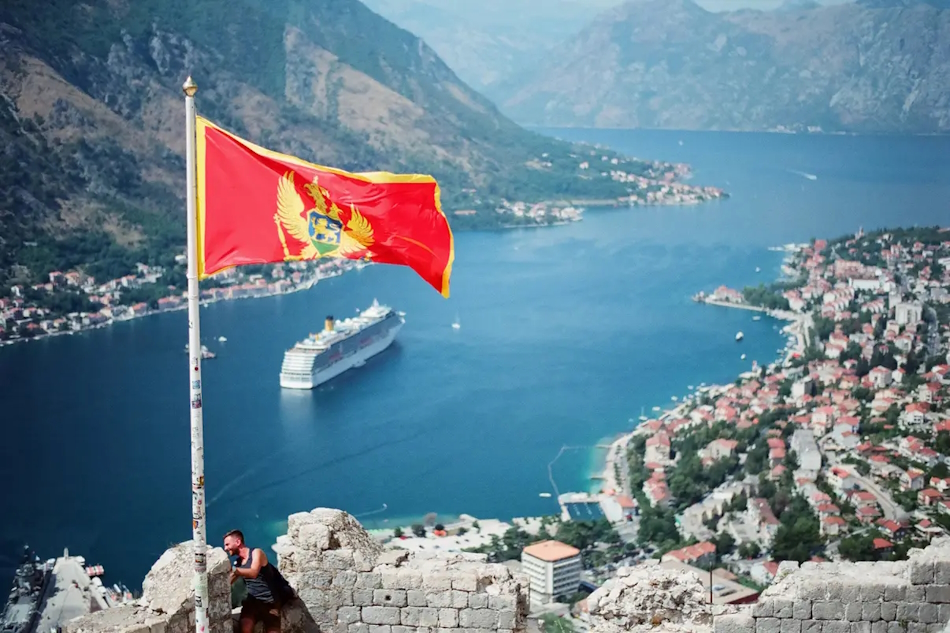
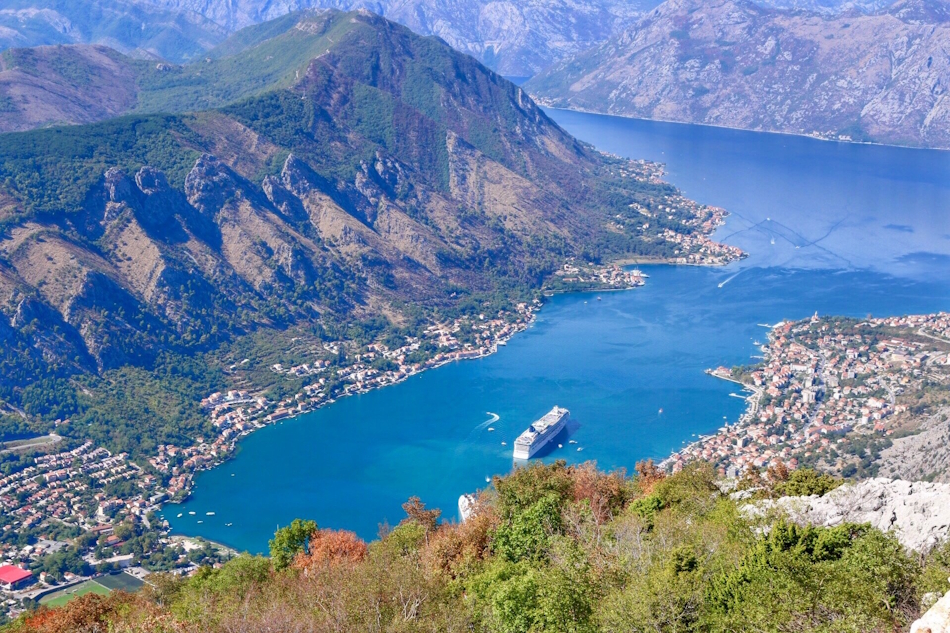
Kotor, situated on the shores of the Bay of Kotor, is famous for its well-preserved medieval old town surrounded by impressive city walls. The city is a UNESCO World Heritage Site and is celebrated for its unique architecture, charming cafes, and breathtaking views of the bay.
Stroll through the stone streets and soak up the medieval atmosphere of this charming town. Kotor is a place where history meets the present and where every corner breathes with the past.
Its narrow streets, ancient churches and lively squares create a unique atmosphere that will transport you back in time. In addition, a climb to the Sveti Ivan fortress, which towers above the city, offers breathtaking panoramic views of the entire bay and the surrounding countryside.
2. Budva – A Riviera Full of Life
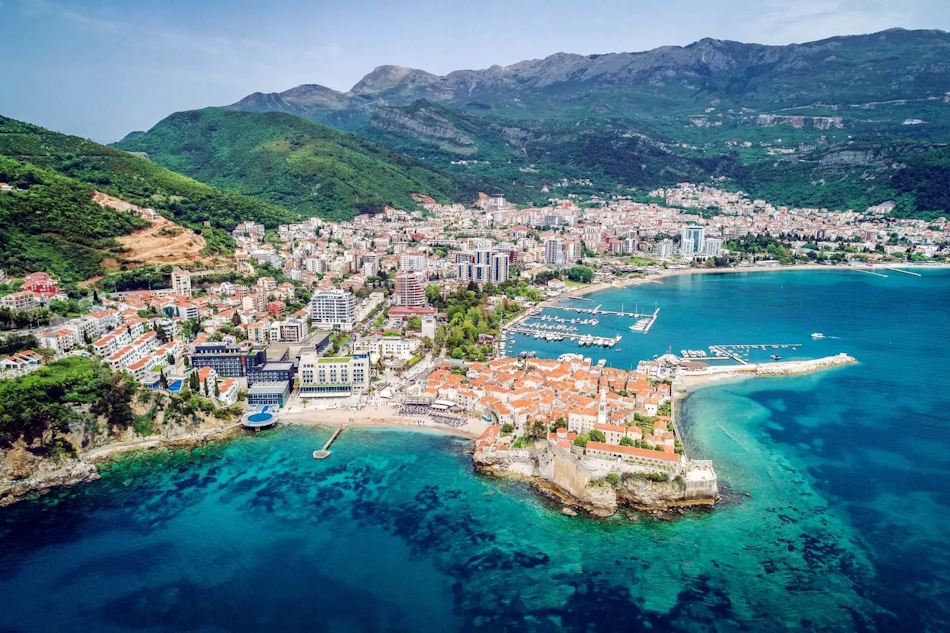
Budva is one of the oldest settlements on the Adriatic and is now known mainly for its dynamic nightlife and beautiful beaches. The Budva Riviera offers a wide range of entertainment, from sunny beaches to historical monuments in the Old Town of Budva, which will catch your attention with its medieval architecture and pleasant squares.
The city is an ideal place for those looking for a combination of relaxation and entertainment. After a day at the beach, you can spend the evening in one of the many bars and clubs, where the fun often lasts until the early hours of the morning.
The Old Town of Budva, surrounded by walls, is full of narrow streets, small squares, and historic buildings that create a unique atmosphere. In addition, Budva is also home to many festivals and cultural events that attract visitors from all over the world.
3. Durmitor National Park – A paradise for nature lovers
Durmitor National Park, often referred to as the jewel of Montenegro, is a paradise for tourists seeking active relaxation in nature. The park offers breathtaking mountains, deep forests, lakes called “mountain eyes” and rugged canyons, including the Tara River Canyon, one of the deepest in Europe.
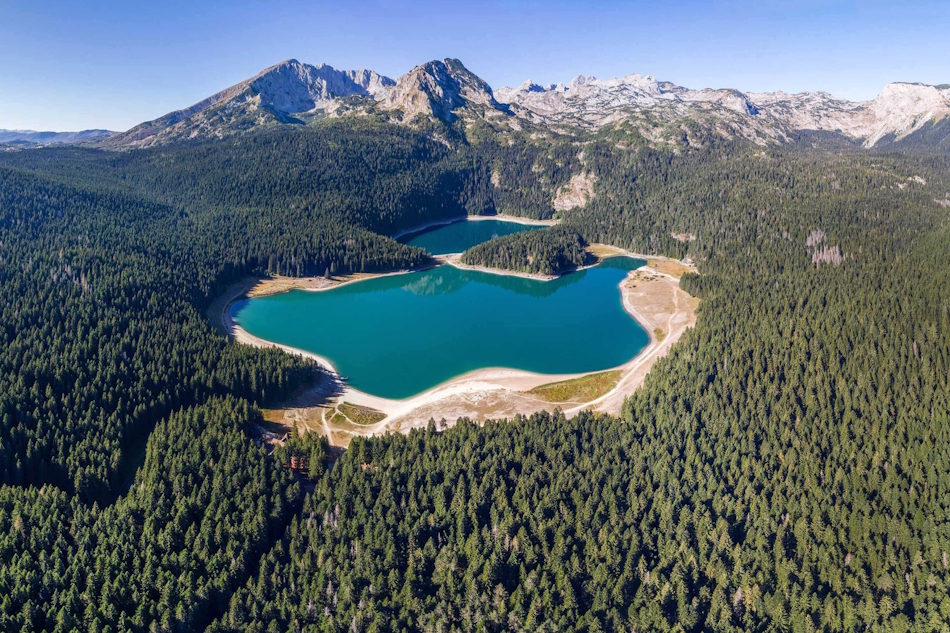
Hiking, rafting or just picnicking in this beautiful natural setting are unforgettable experiences. Durmitor is a place where you can experience true wilderness and where nature shows itself in all its beauty and power.
Walks along mountain trails, views of snow-capped peaks and the silence of the forests will give you a feeling of peace and harmony. In addition, Durmitor also offers opportunities for winter sports such as skiing and snowboarding, making it a year-round destination for nature lovers.
4. Sveti Stefan – A peninsula with historical charm
Sveti Stefan, originally a small fishing village built on a peninsula, is now a luxury resort that has retained its historical charm. This picturesque cape is connected to the mainland by a narrow gravel neck, and its traditional stone houses are now part of an exclusive hotel complex.
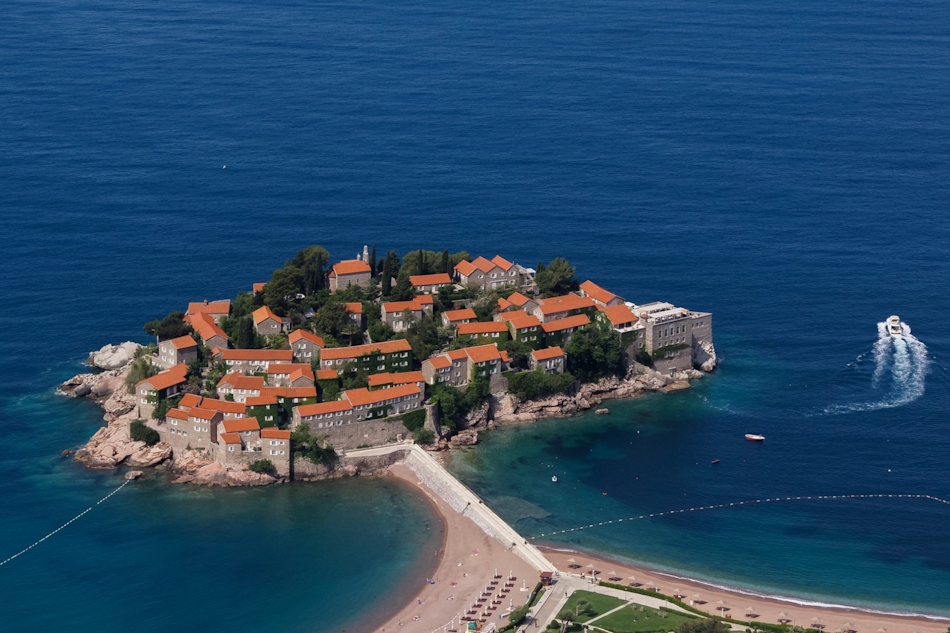
Sveti Stefan is a place where luxury meets history and where you can experience a unique combination of comfort and authenticity. A walk through the narrow streets of the peninsula, surrounded by stone houses and beautiful sea views, will provide you with an unforgettable experience. This exclusive resort is popular with celebrities and wealthy tourists seeking privacy and luxury in a unique setting.
5. Cetinje – Historic capital
Cetinje, the former capital of Montenegro, is now the cultural center of the country. The city is home to several important museums and historical monuments, including the Cetinje Monastery, where relics such as the hand of St. John the Baptist are kept.
Visiting this city is like traveling back in time, with its rich history and tradition. Cetinje is a place where you can discover the history and culture of Montenegro in all its depth and diversity.
A stroll through the streets of the city, a visit to museums and historic buildings will give you a deep insight into the past of this fascinating country. In addition, Cetinje is also a center of art and culture, with many galleries, theaters, and cultural events that attract visitors from all over the world.
6. Perast – A peaceful town with a rich history
Perast is a small town situated on the shores of the Bay of Kotor, known for its rich history and beautiful Baroque architecture. The town is home to many churches and palaces that bear witness to its glorious past as an important maritime center.
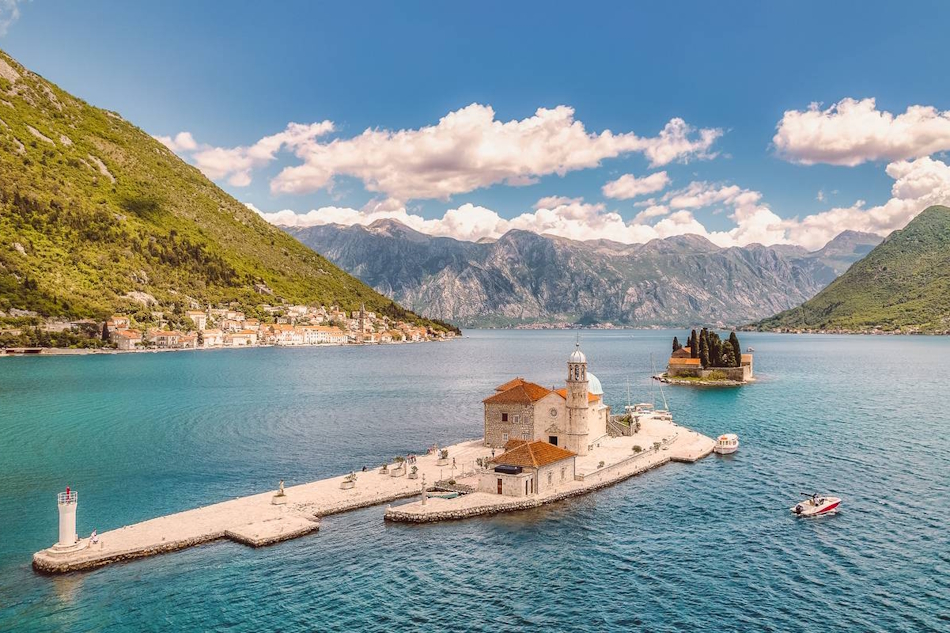
One of the main attractions of Perast are two small islands – Sveti Juraj and Gospa od Škrpjela. Gospa od Škrpjela is an artificial island that was created by piling stones around a sunken ship.
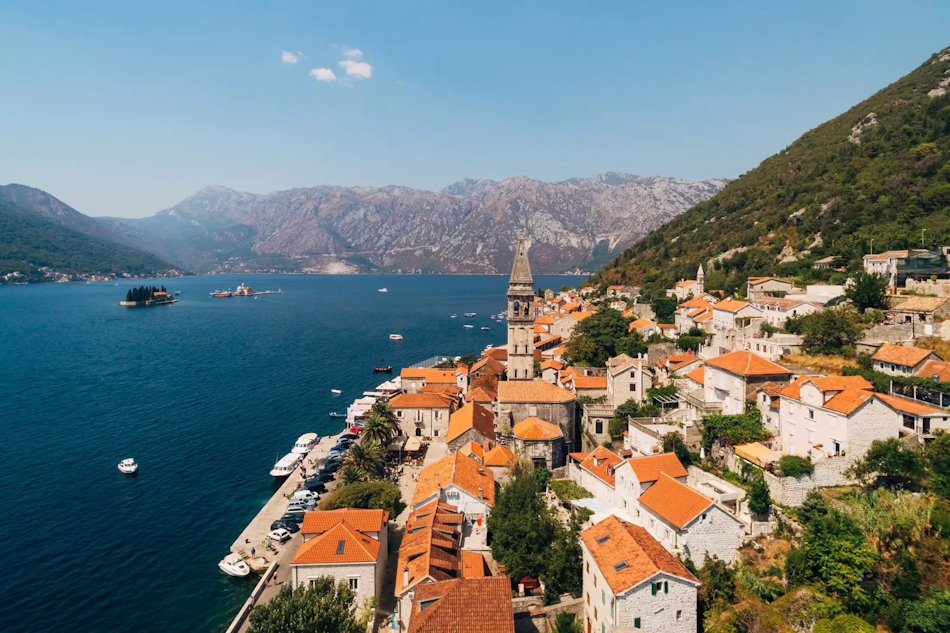
The island has a beautiful church, which is a popular destination for tourists and pilgrims. A walk through Perast and a visit to these islands will give you a unique insight into the history and culture of this area.
7. Lake Skadar – The largest lake in the Balkans
Lake Skadar, located on the border between Montenegro and Albania, is the largest lake in the Balkans and one of the most important wetlands in Europe. The lake is home to many species of birds and fish, making it a paradise for nature lovers and ornithologists.
Whether you’re looking to glide across the water by boat, cast a line for a day of fishing, or hike the shores spotting rare birds, Lake Skadar offers a little something for every nature lover.
The area around the lake is also rich in historical and cultural monuments, including ancient monasteries and fortresses. A walk along the shores of the lake and discovering its natural and cultural treasures will provide you with an unforgettable experience.
8. Ulcinj – A town with oriental charm
Ulcinj, the southernmost town in Montenegro, is known for its oriental charm and rich history. The town was once an important center of trade and piracy, and its old town is full of narrow streets, mosques, and historic buildings that bear witness to its colorful past.
One of Ulcinj’s main attractions is its long sandy beach, which is one of the longest beaches on the Adriatic. The beach is ideal for relaxation and water sports such as windsurfing and kitesurfing.
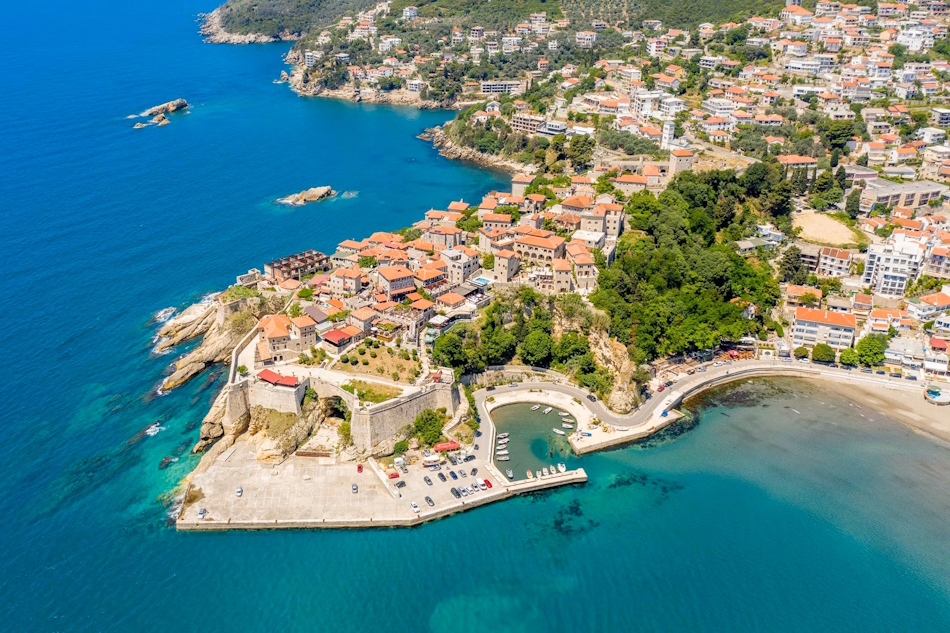
In addition, Ulcinj is also home to many restaurants and cafes where you can taste local specialties and enjoy the atmosphere of this unique city.
9. Lovćen – A mountain of national importance
Mount Lovćen, located in the national park of the same name, is considered a symbol of Montenegrin national identity. At the top of the mountain is the mausoleum of Petar II Petrović-Njegoš, one of Montenegro’s most important poets and rulers.
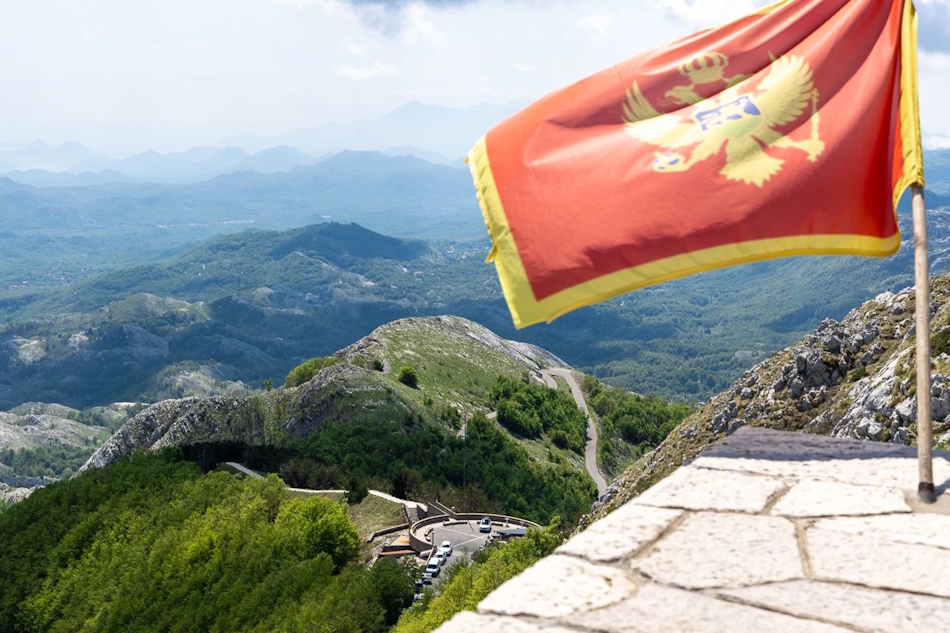
The climb to the top of Lovćen offers breathtaking views of the surrounding countryside and the Adriatic Sea. Lovćen National Park is also home to many hiking trails that lead through beautiful forests and mountain meadows. A visit to Lovćen will give you a unique insight into the natural and cultural wealth of Montenegro.
10. Pljevlja – A city with a rich history and culture
Pljevlja, a town in northern Montenegro, is known for its rich history and culture. The town is home to several important historical monuments, including the Monastery of the Holy Trinity and the Husein-paša Mosque, which is one of the oldest and most beautiful mosques in the country.
A visit to Pljevlja will give you a deep insight into the history and culture of this area. Strolling through the streets of the city, visiting museums and historic buildings will allow you to discover the rich heritage of this fascinating city.
Conclusion
Montenegro is a country where every traveler can feel like an explorer. From coastal towns full of life to quiet mountain oases, the country offers unique scenery and fascinating stories that will amaze you with their beauty and diversity.
Whether you are looking for cultural riches or relaxation in nature, Montenegro will offer you an unforgettable experience. Every corner of this country has its own charm and story waiting to be discovered.
It is a place where you can lose yourself in the beauty of nature, discover history and culture, and experience unforgettable adventures. Montenegro is a true hidden gem of the Balkans, waiting to be discovered and appreciated.
Montenegro: Fast Facts
- Capital City: Podgorica (Cetinje is the historic Royal Capital)
- Currency: Euro (€)
- Official Language: Montenegrin
- Best Time to Visit: May – September for coastal areas.
Interesting
Montenegro is a mountainous country dotted with karst areas. Although it is one of the smallest countries in Europe (with an area of 14,026 km²), the terrain is extremely diverse. The highest peak in Montenegro, Zla Kolata, lies on the border with Albania and has an altitude of 2,534 m above sea level.
Most of the territory is covered by the Dinaric Alps with plains. There are also lowlands near Lake Skadar and in the valleys of the Zeta and Tara rivers. Lake Skadar, the largest lake in the Balkans, lies on the border with Albania. The Bojana River flows out of Lake Skadar and forms part of the Montenegrin-Albanian border.
In recent years, Montenegro has rapidly emerged as one of the Mediterranean’s most captivating destinations. Its stunning natural beauty and rich history are now attracting discerning travelers from across the globe, including Europe and North America, who seek a unique alternative to more traditional locales.
This surge in popularity has fueled the growth of world-class tourism infrastructure, ensuring an exceptional experience for every visitor. From a historical point of view, it is interesting that Montenegro remained independent even after the expansion of the Ottoman Empire to the Balkan Peninsula. Montenegro declared itself an ecological state in 1991. The Biogradska Gora National Park covers 56.5 km² of untouched forest.
National anthem
Ој свијетла мајска зоро
Oj, svijetla majska zoro
(O Bright Dawn of May)