

When traveling abroad, it pays to use both your debit and credit cards wisely.
Whether it’s a ski trip in the mountains, a vacation in the tropics, wellness stays, or short trips to neighboring countries. In all these situations, practical advice on various payments, as well as in case of unexpected problems, can be helpful. Here are tips on how to handle it.
During a stay abroad, it’s always good to have a debit card with you, and ideally a credit card as well. In most cases, at ski resorts, in restaurants, hotels, or rental agencies, you can pay by card without any issues. On the other hand, in some smaller establishments or more remote locations, having some cash on hand is useful, so you need to think about that too. The following basic rules apply to using payment cards abroad:
Check card validity and limits – before going abroad, it is important to check the expiration date of your cards to avoid unpleasant situations when paying. It is also necessary to check the maximum daily limit, as it may be necessary to pay more abroad than is usual at home. On the other hand, limits can also be lowered if it is necessary to ensure that a foreign merchant does not withdraw more money from the account than they should.
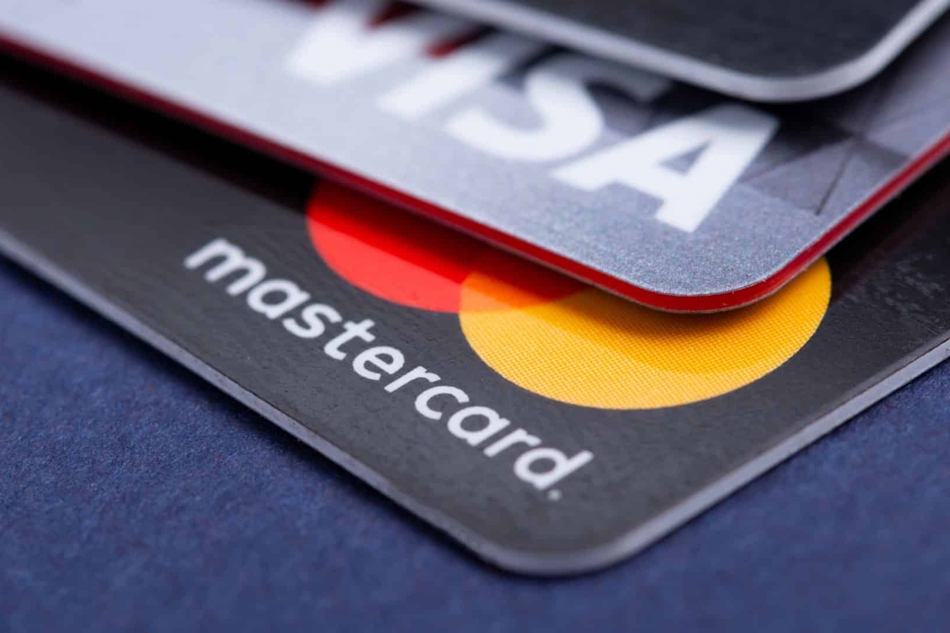
This information is available in your online banking, where limits can also be adjusted. Pay with cards, withdraw cash only when necessary – wherever possible, it is more advantageous to pay by card than to withdraw cash from ATMs. If both Visa and MasterCard are available, it is recommended to take both, as some places prefer one company over the other.
Do not withdraw cash with a credit card – sometimes you can’t do without cash, for example, in places where card payment is not possible. However, cash should be withdrawn with a debit card, because withdrawing with a credit card is often associated with high fees, and cash transactions are usually not subject to an interest-free period. To reduce withdrawal fees, it is advisable to prefer ATMs belonging to the same banking group.
A credit card as a useful tool – a credit card can be useful when booking accommodation or renting a car, where rental agencies often block a higher deposit. If a credit card is available, it is recommended to take it with you abroad, where it can serve as a safety net in case of financial problems. Before the trip, however, it is necessary to verify that the card is active, which can be easily checked by making a test payment in a store.
When heading to popular destinations like exotic locales or Alpine resorts, you often need to account for higher costs. It is important to calculate properly whether the family budget allows for it and to set financial limits. It is not advisable to borrow money for short-term experiences and luxury stays that quickly fade but leave long-term debt.
While traveling abroad, various unpleasant situations can occur, such as an injury, sudden illness, a car accident, a high fine, causing damage, theft of personal belongings, or loss of documents. These situations can complicate your stay, but they can be resolved. The key is to have travel and accident insurance that will cover the costs associated with solving these problems, which can amount to tens of thousands of dollars or euros.