

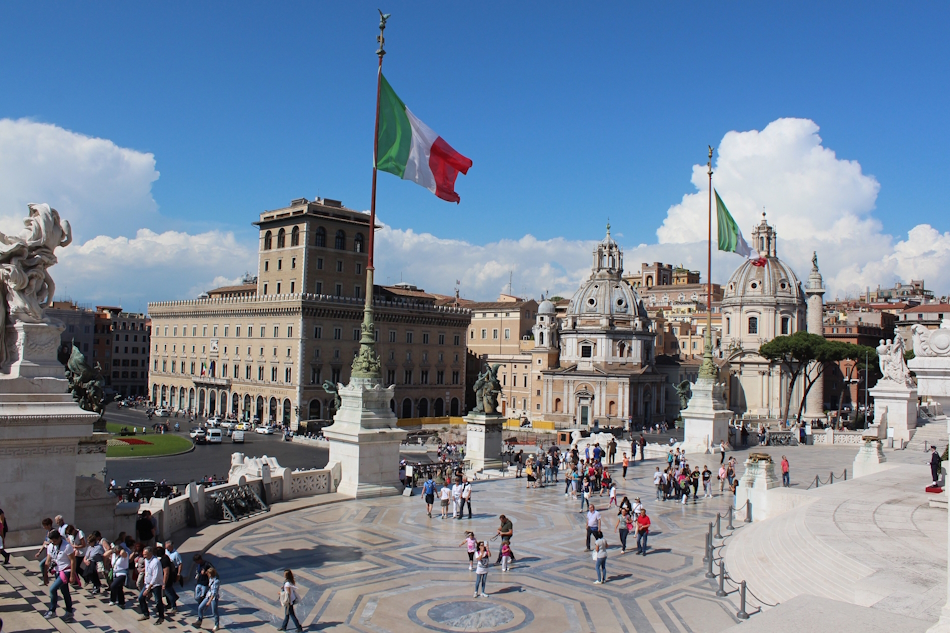
Italy, a country rich in history, art, and unique cuisine, is one of the most visited places in the world.
From the northern Alps to the sunny coast in the south, Italy offers countless experiences.
Whether it’s exploring ancient ruins, sampling world-famous cuisine or strolling through picturesque vineyards, Italy has something for everyone.
Read also:
Portovenere – The perfect gateway to Cinque Terre
1. Rome – The Eternal City
Rome, the capital of Italy, is full of historical monuments that bear witness to the city’s rich history. Visit the Colosseum, where gladiator games were once held, or stroll through the Roman Forum, which was the political and social center of ancient Rome.
Don’t miss the Vatican, the seat of the Roman Catholic Church, with its impressive square and St. Peter’s Basilica. Rome is also a place where ancient history meets modern life, and its streets are full of cafes, restaurants, and shops offering authentic Italian experiences. 2. Venice – The City on Water
2. Venice – The City on Water
Venice, known for its canals and historic architecture, is unique for its romantic atmosphere. A gondola ride through the canals is an unforgettable experience that offers a different perspective of the city.
Visit St. Mark’s Square, where you will find the magnificent St. Mark’s Basilica and Campanile. Venice is also home to many festivals, such as the famous carnival, which attracts visitors from all over the world with its colorful masks and costumes. 3. Florence – Cradle of the Renaissance
Florence, considered the cradle of the Renaissance, is home to some of the world’s most important works of art and architectural masterpieces.
You can admire works of art by Michelangelo, Leonardo da Vinci, and Botticelli in the Uffizi Gallery. Don’t miss a visit to the Cathedral of Santa Maria del Fiore with its iconic dome.
Don’t miss a visit to the Santa Maria del Fiore Cathedral with its iconic dome. Florence is also the birthplace of many Renaissance ideas, and its streets are full of history and culture waiting to be discovered.
4. Tuscany – The heart of the Italian countryside
Tuscany is known for its beautiful landscapes, vineyards, and historic cities such as Siena and Pisa. The region is an ideal destination for wine lovers, who can visit many vineyards and taste local wines such as Chianti.
Tuscany is also home to many traditional Italian dishes made from fresh local ingredients. A walk through the Tuscan hills is an experience that offers peace and the beauty of nature.
5. Amalfi Coast – Paradise on Earth
The Amalfi Coast, with its steep cliffs and bright blue sea, offers some of the most beautiful scenery in Italy. Positano, Amalfi, and Ravello are just some of the charming towns worth visiting.
The area is also known for its excellent hiking and water sports opportunities. The Amalfi Coast is a place where natural beauty meets cultural heritage, and a visit here is an unforgettable experience.
6. Sicily – Island of contrasts
The largest island in the Mediterranean Sea, Sicily is a place full of history, culture and breathtaking natural beauty. Visit the ancient Greek theater in Taormina or the majestic Mount Etna, the highest active volcano in Europe.
Sicily is also home to some of Italy’s finest culinary specialties. The island is known for its rich history, which has been influenced by many cultures, and its cuisine is full of flavors and aromas that are unique to this region.
Italian gastronomy
Italian cuisine is one of the most famous and popular in the world. It is based on fresh, high-quality ingredients that are prepared with simplicity and love.
Some of the most famous Italian dishes include pizza, pasta, risotto, and lasagna. Italian cuisine is also known for its desserts, such as tiramisu and gelato. Each region of Italy has its own specialties that reflect its history and culture.
7. Milan – City of fashion and design
Known as the world capital of fashion and design, it is a place where modern elegance meets historical charm. Visit the famous Duomo di Milano, one of the largest Gothic cathedrals in the world.
It is also home to La Scala, a prestigious opera house. For fashion lovers, a visit to the Quadrilatero della Moda fashion district is a must, where you will find boutiques of the world’s most famous designers.
8. Naples – Gateway to southern Italy
A vibrant city on the coast, it is known for its rich history, culture and, of course, pizza. Visit the historic center, which is a UNESCO World Heritage Site, and discover narrow streets full of life.
Naples is also the starting point for a visit to Pompeii, an ancient city destroyed by the eruption of Mount Vesuvius. Don’t forget to try authentic Neapolitan pizza, which is considered the best in the world.
9. Cinque Terre – Colorful villages on the coast
Cinque Terre, a collection of five picturesque villages on the rocky cliffs of the Ligurian Sea, is a place where natural beauty meets traditional Italian architecture.
The villages of Monterosso al Mare, Vernazza, Corniglia, Manarola, and Riomaggiore are connected by hiking trails that offer breathtaking views of the sea and the surrounding countryside. Cinque Terre is an ideal place for nature lovers and hikers.
10. Sardinia – Island of beaches and traditions
The second largest island in the Mediterranean Sea, it is known for its beautiful white sand beaches and turquoise waters. The island offers many opportunities for water sports such as diving and windsurfing.
Sardinia is also rich in tradition and culture, with many festivals and celebrations taking place throughout the year. Visit the ancient nuraghi, mysterious stone structures scattered across the island.
11. Turin – City of cars and chocolate
The capital of the Piedmont region, Turin is known as the center of the Italian automotive industry and home to the Fiat brand. The city offers many cultural and historical attractions, including the Royal Palace and the Mole Antonelliana, which is a symbol of the city.
Turin is also famous for its excellent chocolate and coffee, making it the perfect place for foodies who want to sample traditional Piedmontese specialties.
12. Verona – City of Love
Also known as the city of love, it is famous for William Shakespeare’s story of Romeo and Juliet. Visit Juliet’s house with its iconic balcony, a favorite spot for romantics from all over the world.
In addition, Verona offers a wealth of historical monuments, such as the Roman amphitheater Arena di Verona, where open-air opera performances are held. A stroll through the ancient streets of Verona is like a journey back in time.
13. Bologna – City of learning and gastronomy
Home to the oldest university in the world, Bologna is known for its rich academic tradition and lively student atmosphere. The city is also a culinary paradise where you can taste traditional dishes such as tagliatelle al ragù (known as bolognese) and tortellini.
A walk under the arcades of Bologna, which are listed as a UNESCO World Heritage Site, offers a unique view of the city’s architecture.
14. Genoa – Gateway to the world
An important port in northwestern Italy, Genoa is known for its rich maritime history and as the birthplace of Christopher Columbus. The city offers many historical sights, including the Palace of San Giorgio and the Cathedral of St. Lawrence.
Genoa is also known for its excellent cuisine, especially pesto genovese, which is the basis of many local dishes.
15. Perugia – The Heart of Umbria
Perugia, the capital of the Umbria region, is known for its rich history and culture. The city is home to the annual Eurochocolate chocolate festival, which attracts sweet tooths from all over the world.
Perugia offers beautiful views of the surrounding countryside and is an ideal place for those seeking the peace and beauty of the Italian countryside.
16. Matera – City of Caves
One of the oldest continuously inhabited cities in the world, it is known for its cave dwellings, called sassi, which are carved into limestone rocks. The city is a UNESCO World Heritage Site and offers a unique glimpse into life in the past.
Matera is a fascinating place where history meets modern culture.
17. Parma – City of Music and Delicacies
It is known not only for its rich musical tradition but also for its culinary specialties. The city is the birthplace of the famous composer Giuseppe Verdi and offers a variety of cultural events and concerts.
Parma is also home to Parmesan cheese and Parma ham, which are considered among the best in the world. A visit to Parma is a real treat for lovers of music and gastronomy.
18. Trento – Gateway to the Dolomites
The capital of the Trentino region is known for its rich history and beautiful nature. The city is surrounded by the Dolomites, which offer many opportunities for hiking, skiing, and other outdoor activities.
Trento is also known for its architecture, including the Cathedral of St. Vigilio and the Castello del Buonconsiglio. The city is an ideal starting point for exploring the beauty of northern Italy.
19. Lecce – Florence of the South
Lecce, often called the “Florence of the South,” is known for its Baroque architecture and rich history. The city is located in the Apulia region and offers many historical sights, including a Roman amphitheater and the Basilica of Santa Croce.
Lecce is also known for its handicrafts, especially papier-mâché, and is an ideal place for those seeking an authentic Italian experience off the beaten track.
20. Aosta – Gateway to the Alps
Aosta, the capital of the Valle d’Aosta region, is known for its rich history and beautiful nature. The city is surrounded by the Alps and offers plenty of opportunities for hiking, skiing, and other outdoor activities.
Aosta is also known for its Roman monuments, including the Arch of Augustus and the Roman theater. The region is also famous for its cheeses and wines, which are perfect for sampling after a day spent in the mountains.
21. Ravenna – City of Mosaics
Ravenna is famous for its beautiful mosaics, which adorn many of its historic buildings and churches. The city was once the capital of the Western Roman Empire, and its rich heritage is evident in monuments such as the Basilica of San Vitale and the Mausoleum of Galla Placidia.
The mosaics in Ravenna are considered some of the finest examples of early Christian art in the world and are listed as a UNESCO World Heritage Site.
22. Trieste – Crossroads of Cultures
Trieste, located on the border with Slovenia, is a city where Italian, Slavic, and Germanic cultures meet. The city is known for its café culture and literary history, having been home to many important writers, including James Joyce.
Trieste offers beautiful views of the Adriatic Sea and is an ideal place for those seeking a unique combination of culture and history.
23. Cagliari – The Heart of Sardinia
The capital of Sardinia is known for its rich history and beautiful beaches. The city offers a wealth of historical attractions, including an ancient Roman amphitheater and the Castello fortress.
Cagliari is also known for its excellent cuisine, which includes fresh seafood and traditional Sardinian dishes. The city is an ideal starting point for exploring the beauty of Sardinia.
24. Bari – The Pearl of Apulia
The capital of the Apulia region is known for its historic center and beautiful beaches. The city is home to the Basilica of St. Nicholas, which is an important pilgrimage site.
Bari is also known for its lively atmosphere and excellent cuisine, which includes traditional dishes such as orecchiette and focaccia barese. The city is an ideal place for those who want to discover the beauty of southern Italy.
25. Bolzano – A blend of culture and nature
The capital of South Tyrol is known for its beautiful nature and rich history. The city is surrounded by the Alps and offers many opportunities for hiking and skiing.
Bolzano is also famous for its museums, including the Ötzi Museum, where the famous ice mummy is on display. The city is an ideal place for those looking for a combination of culture and nature.
26. Siena – The treasure of Tuscany
Siena, one of the most beautiful medieval towns in Italy, is known for its preserved architecture and rich history. The town is dominated by the Piazza del Campo, where the famous Palio di Siena horse race takes place.
The town is also home to the magnificent Duomo di Siena, considered a masterpiece of Gothic architecture. Siena offers an authentic glimpse into Tuscan culture and is an ideal destination for history and art lovers.
27. Orvieto – City on a Rock
Built on top of a volcanic rock, the city is known for its imposing cathedral, one of the finest examples of Italian Gothic architecture. The city offers breathtaking views of the surrounding countryside and is known for its underground tunnels and caves, which are open to the public.
Orvieto is also famous for its white wine, Orvieto Classico, which is ideal for tasting during your visit.
28. Assisi – Spiritual center of Italy
The birthplace of St. Francis, Assisi is one of the most important pilgrimage sites in Italy. The city is famous for its Basilica of St. Francis, a UNESCO World Heritage Site, which contains beautiful frescoes by Giotto.
Assisi offers a peaceful atmosphere and is the perfect place for those seeking a spiritual experience and the beauty of art.
29. Lucca – City of Walls
It is known for its well-preserved Renaissance walls that surround the historic city center. A walk along these walls offers beautiful views of the city and the surrounding countryside.
Lucca is also known for its medieval churches, narrow streets, and squares such as Piazza dell’Anfiteatro. The city is an ideal place for those who want to experience the authentic atmosphere of Tuscany.
30. Mantua – A Renaissance gem
Known for its rich Renaissance architecture, it is listed as a UNESCO World Heritage Site. The city is home to the Ducal Palace and the Te Palace, which are considered masterpieces of Renaissance art and architecture.
Mantua is also known for its excellent cuisine, which includes dishes such as tortelli di zucca and risotto alla pilota. The city is an ideal place for lovers of history and gastronomy.
Conclusion
Italy is a country that fascinates with its historical and cultural depth, unique cuisine, and beautiful natural scenery. It is a destination that offers unforgettable experiences and adventures.
Whether it’s exploring ancient monuments, enjoying world-famous cuisine, or simply watching the sun set over the azure Adriatic Sea. Italy is a place where the past meets the present, and a visit here is a journey to the heart of European culture and history.
Interesting
Italy is one of the seven richest and most developed countries in the world (G7) and is one of its founders. It is located in southern Europe on the Apennine Peninsula. Its territory also includes the islands of Sicily, Sardinia, Elba, Capri, Tremiti, and Ischia.
It is a predominantly mountainous country, with the rugged Alps rising in the north (on its border with France lies Europe’s highest peak, Mont Blanc, at 4,810 m above sea level) with many glaciers.
The Alps slope down to the Po Valley, which is divided into four parts: Piedmont in the west, Lombardy in the center, Veneto in the east, and Emilia in the south. The inner axis of the peninsula is formed by the Apennines, which are characterized by seismic and volcanic activity.
The Apennines are divided into the northern (Ligurian and Etruscan), Roman (Abruzzo) and southern Apennines, which are represented by the Neapolitan and Calabrian Apennines. The islands are mountainous with active volcanoes (e.g. Etna, Stromboli and Vesuvius).
The climate is predominantly subtropical Mediterranean, transitioning to mild with hot, dry summers and milder winters in the north in the Po Valley. The mountains have a harsh alpine climate, with annual precipitation reaching 1,000 to 2,000 mm.
The capital, Rome, has a population of 2,877,215 (2017). Other important cities are Milan, Naples, Turin, and Venice. The smaller city of Verona is important for its strategic position. Other large cities include Pescara, Rimini, Piombino, Florence, Bologna, and Bolzano.
The historical excavations of Paestum are also very popular with visitors. The historic city of Pompeii is also famous. Italy is a nation with a rich history and great culture.
Their ancestors created one of the world’s greatest empires, the Roman Empire, and it was the Romans who brought advanced culture to the then barbaric Western and Central Europe.
The Romans created the most advanced civilization in the world, with many technical and administrative innovations that were forgotten in the Middle Ages and rediscovered and surpassed only in the mid-18th century during the Industrial Revolution. Many modern industries are based on the Roman system.
Rome was the seat of the Pope, the head of the Roman Catholic Church. Thanks to rich trade relations, Italian cities such as Florence, Venice, and Genoa, and later Rome and Milan, grew wealthy, which led to a great cultural boom and a subsequent interest in the ancient past and thus the emergence of the Renaissance.
At that time, Italians rose to the forefront of world culture and once again spread it throughout “barbarian” Europe. This period saw the creation of important literary works and many works of art, with the most famous artists being the writers Dante Alighieri, Giovanni Boccaccio, and Francesco Petrarca.
There were also philosophers such as Giordano Bruno, Niccolò Machiavelli and Galileo Galilei, and famous artists such as Leonardo Da Vinci, Raffaello and Michelangelo Buonarroti. Italians also enriched European culture with styles such as Baroque and Rococo, whose buildings can be found in all parts of the country.
Italians are also traditionally known for growing grapes, which are used to make famous Italian wine. Each region has its own customs and dialect, so we can encounter a very rich culture. Despite some differences between northern and southern Italy, the two parts have much in common, including shared traditions, customs, and cuisine.
Today, Italians are also known for their fashion and taste, which this nation has cultivated since ancient times. The Romans were known for their sense of quality, decoration, architecture, and elegant style of dress, and medieval Italians often traded in luxury fabrics.
Today, Italian clothing, shoes, perfumes, jewelry, and fashion accessories are among the most famous and highest quality in the world. Alongside Paris, Milan is a traditional world fashion capital. Italian design is typical and world-renowned, especially in furniture and automobiles.
Italian cuisine is one of the most famous and healthiest in the world, offering a wide variety of specialties. The most famous dishes are Neapolitan pizza, which originated in ancient times when the Greeks and Romans made a similar dish, and various types of pasta with a wide range of sauces, which date back to the 15th century.
Other dishes include lasagna and pasticio, which were already mentioned by the ancient Etruscans. In addition to these specialties, Italians prepare various specialties from beef, lamb, and pork, as well as seafood and fish.
Well-known Italian dishes include beef steak from Florence, fiorentina, and fried Milanese schnitzel, which was adopted by the Austrians and became the traditional Viennese schnitzel. In northern Italy, various types of salami and ham are produced, including the world-famous Prosciutto crudo from Friuli and mortadella.
There are also many types of salami (e.g. ossocolo, sopressa and cotechino) and sausages (salsiccia), while traditional Italian bacon is called pancetta. Italians are also known for producing cheeses such as Parmesan, pecorino (sheep’s cheese), mozzarella and gorgonzola. A typical Italian side dish is vegetable salad and corn porridge called polenta.
The most famous Italian desserts are Venetian tiramisu and Sicilian cannoli, other well-known desserts include profiteroles and panna cotta. Among alcoholic beverages, Italian wine is world-famous. There are many fertile wine-growing regions, with the highest quality grapes grown in central Italy, mainly in Tuscany.
In the northern Italian region of Friuli, the wine is called Friulano. Strong Italian alcoholic beverages (tal. bevande superalcoliche) include grappa and limoncello, a lemon liqueur. Sicilian blood oranges and olive oil, grown in central and southern Italy, are also traditional.
Italian folklore is very rich and still alive and popular with the younger generation. It is mainly Mediterranean folklore, with some Central European influence in the north. A well-known folklore region is the northeast, with its Venetian style of Mediterranean traditions, typical music, and dances that have influenced the whole of Dalmatia and the Balkans.
The Romagna region is also well known, especially for its clarinet music. Southern Italy is also known for its many songs and dances, the most famous of which is the tarantella, which has ancient Greek origins and is danced throughout southern Italy. Songs about the mafia (La musica della mafia) are also part of the local folklore.
Traditional songs unique to Europe are sung on the island of Sardinia. These are polyphonic songs similar to those in the Greek region of Epirus. One of the most famous Italian folk singers is Otello Profazio.
Traditional opera also developed from Italian folk songs, incorporating elements of traditional Italian music and Italian folk theater. Throughout Italy, from north to south, folk festivals (festa, sagra) are held in the summer, often in honor of various saints or to celebrate crops (wine, bread, melon festivals, etc.).
This custom is a remnant of ancient celebrations of the gods. Processions with statues of saints are also common. Italians abroad also commemorate these traditions and often distance themselves from other ethnic groups.
Among the most famous Italian folk songs are the traditional Neapolitan tarantella, the Sicilian song ciuri, ciuri (flowers, flowers), the Sicilian Che la luna a mezzo mare (One moon in the middle of the sea), and also the Sicilian Bruccia la terra, which was used as the main song in the film The Godfather.
Other examples include the Neapolitan O Sole Mio (My Sun), the Romagna Romagna mia (My Romagna), the Venetian Mamma mia dammi cento lire (Mamma mia, give me a hundred lire), and the Friulian songs E ducj mi clamin cont (Everyone calls me count).
National anthem
Fratelli d’Italia
Il Canto degli Italiani
(Brothers of Italy)