

The Danube, the second-longest river in Europe, is one of the most significant waterways in the world.
It flows through ten countries and connects cultures, history, and natural beauties that are unique and fascinating. A cruise on the Danube is an unforgettable experience that offers the chance to discover beautiful cities.
Furthermore, one can discover historical monuments, nature reserves, and local traditions. What can you discover on a cruise along this majestic river?
1. The Danube as a historical artery of Europe
Since time immemorial, the Danube has been an important trade and cultural artery of Europe. Already in ancient times, the Romans used it to transport goods and soldiers. The river has witnessed the rise and fall of empires, from the Roman Empire through the Ottoman Empire to Austria-Hungary.
On the banks of the Danube, there are cities and monuments that bear the traces of this rich history. A cruise on the Danube is therefore not only a journey on water, but also a journey through time.
2. Bratislava – The gateway to the heart of Europe
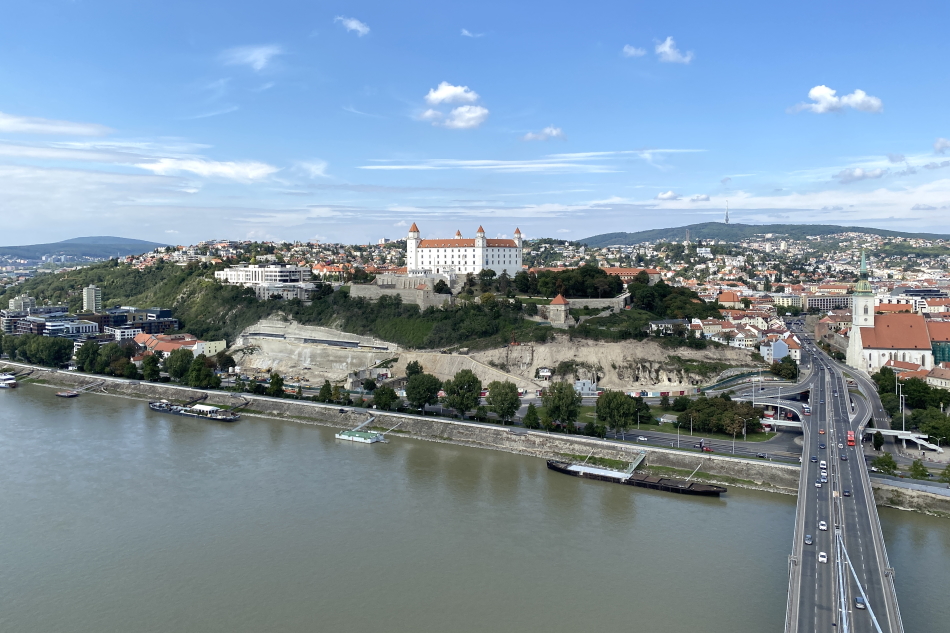
A cruise on the Danube often begins or ends in Bratislava, the capital of Slovakia. It is known for its historical center, where you can admire Bratislava Castle, St. Martin’s Cathedral, or Michael’s Gate.
A walk along the Danube embankment offers beautiful views of the river and modern architecture, such as the SNP Bridge with its iconic UFO restaurant. Bratislava is also a place where different cultures meet, which is reflected in the local gastronomy and traditions.
3. Vienna – The city of music and culture
Just a few dozen kilometers from Bratislava is Vienna, the capital of Austria. A cruise on the Danube will take you right into the heart of this cultural center. Vienna is known for its operas, concerts, and museums.
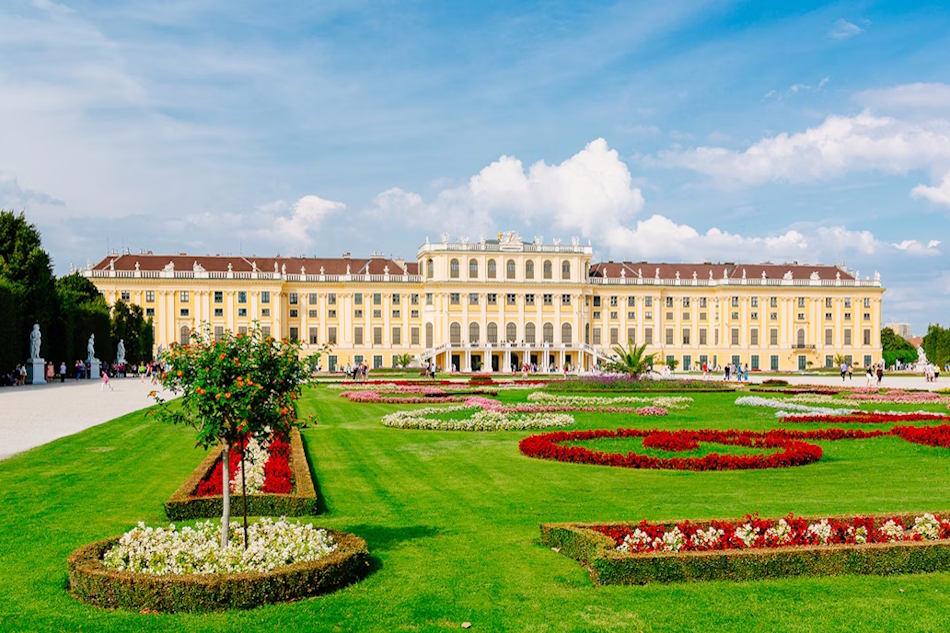
Among the most important sights are the Hofburg, Schönbrunn, and St. Stephen’s Cathedral. For art lovers, a visit to the Belvedere gallery, where the famous painting “The Kiss” by Gustav Klimt is located, is a must. Vienna is also known for its cafes, where you can enjoy a traditional Sacher torte.
4. Budapest – The pearl on the Danube
Budapest, the capital of Hungary, is one of the most beautiful cities on the Danube. The river divides the city into two parts – Buda and Pest, which are connected by iconic bridges, such as the Chain Bridge. On the Buda side is the Buda Castle, the Fisherman’s Bastion, and Gellért Hill with a magnificent view of the city.
On the Pest side, you can visit the Parliament, the Great Market Hall, and Andrássy Avenue. Budapest is also known for its thermal baths, such as the Széchenyi Baths, which offer relaxation after a day full of exploration.
5. Belgrade – A crossroads of cultures
Belgrade, the capital of Serbia, is another important city on the Danube. This city is known for its rich history and vibrant atmosphere. Among the most important sights is Kalemegdan.
Furthermore, the fortress with a view of the confluence of the Danube and Sava, and the Church of Saint Sava, one of the largest Orthodox churches in the world. Belgrade is also known for its nightlife, especially on the boats and bars on the Danube.
6. Natural beauties of the Danube
The Danube is not only about cities and culture, but also about natural beauties. One of the most beautiful parts of the river is the Danube Delta, located in Romania. This area is a UNESCO World Heritage site and is home to many species of birds, fish, and other animals.
A cruise through the Danube Delta is an unforgettable experience for nature lovers. Another natural attraction is the Iron Gate, a canyon on the border between Serbia and Romania. This part of the Danube is known for its dramatic cliffs and historical monuments, such as the Tabula Traiana, a Roman inscription carved into the rock.
7. Local gastronomy
A cruise on the Danube is also an opportunity to taste local cuisine. Each country through which the Danube flows offers unique dishes and drinks. In Austria, you can enjoy Wiener Schnitzel and apple strudel.
In Hungary, goulash and Tokaj wine, in Serbia, grilled specialties and rakia. Here in Slovakia, bryndzové halušky and lokše are popular. Local gastronomy is an integral part of the experience of a Danube cruise.
8. Cultural events and festivals
The Danube is also the site of many cultural events and festivals. In Bratislava, the Danube Cup festival is held annually, celebrating the river and its importance to the city.
In Budapest, the Sziget Festival is popular, one of the largest music festivals in Europe. In Belgrade, the Exit festival is held, which attracts music fans from all over the world. These events add another dimension to a Danube cruise.
9. Cruise on excursion boats
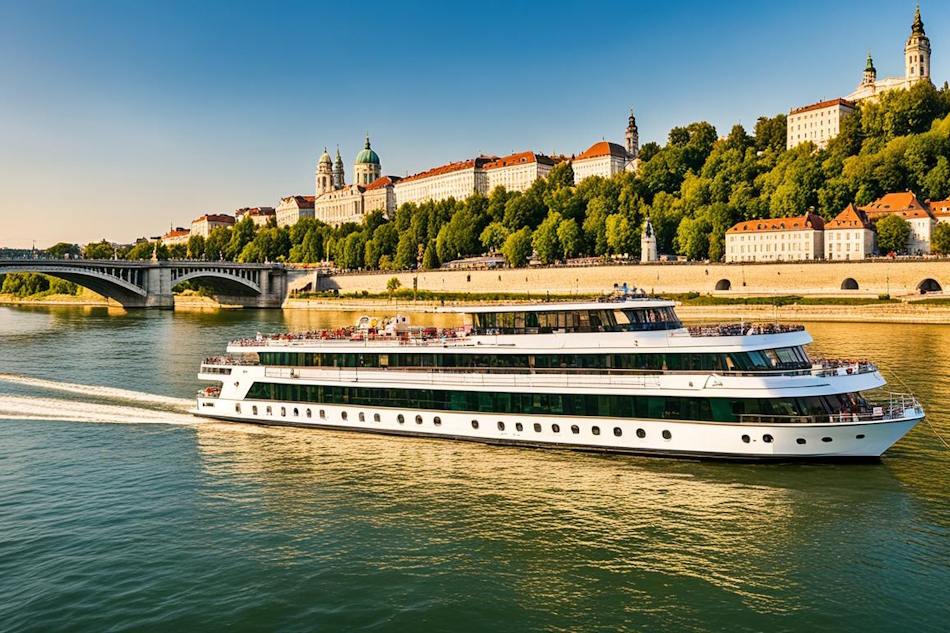
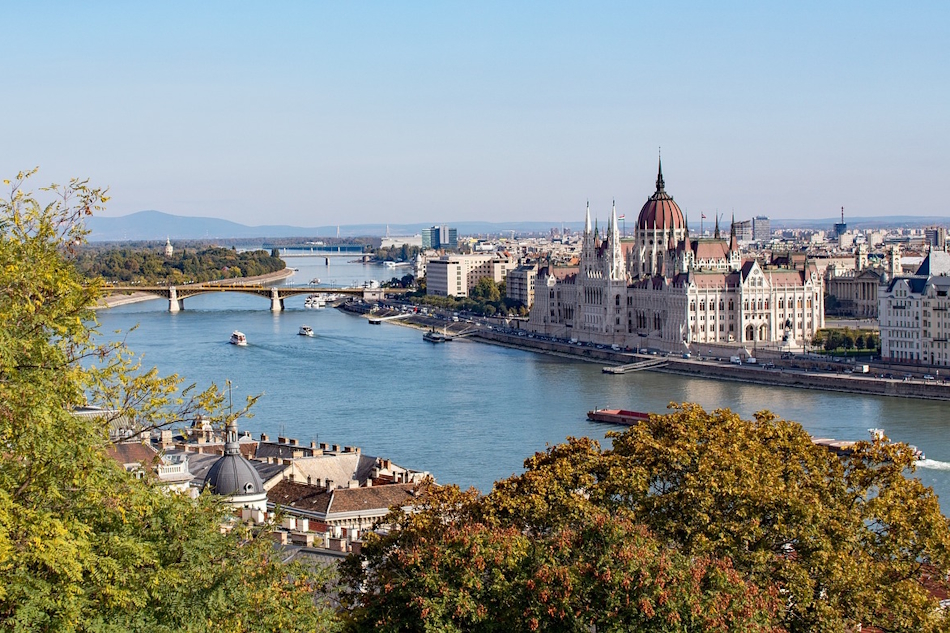
A cruise on the Danube can be done on various types of boats, from small excursion boats to luxury river cruise ships. These offer comfortable accommodation, excellent cuisine, and various activities on board. A cruise on a cruise ship is an ideal way to discover the beauties of the Danube without the stress of planning.
10. The Danube as inspiration
The Danube has always been a source of inspiration for artists, writers, and musicians. The famous waltz “On the Beautiful Blue Danube” by Johann Strauss is one of the most famous musical works inspired by this river. A cruise on the Danube allows you to experience this inspiration firsthand and understand why this river is so special.
Conclusion
A cruise on the Danube is a unique experience that combines history, culture, nature, and gastronomy. This majestic river offers endless possibilities for discovery and is an ideal place for adventurers, history lovers, nature lovers, and art lovers.
Regardless of whether you decide on a short cruise or a longer excursion, the Danube will surely enchant you with its beauty and diversity. If you are looking for an unforgettable experience, a cruise on the Danube is the right choice.